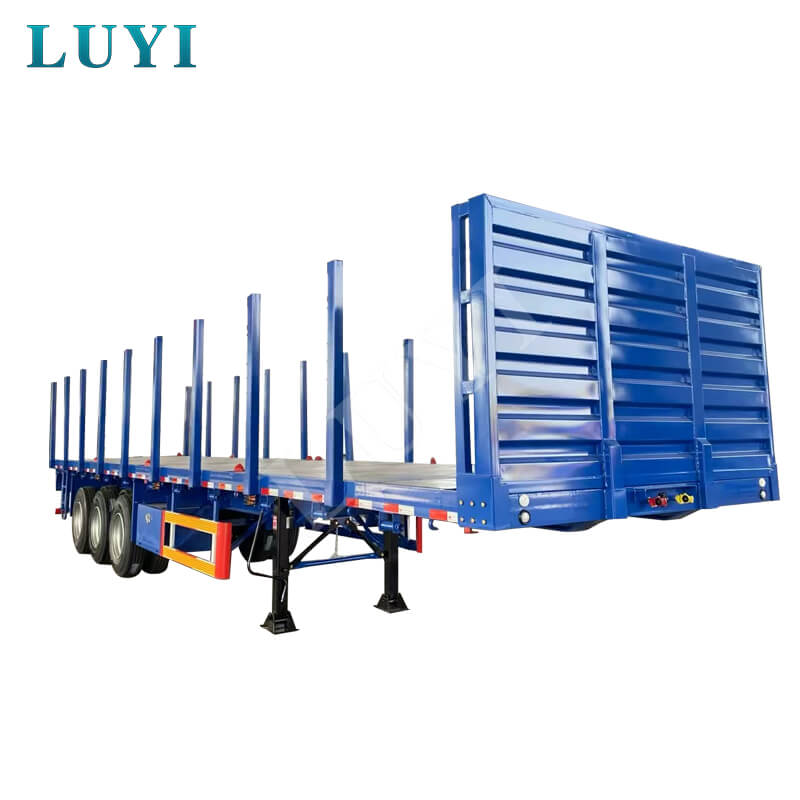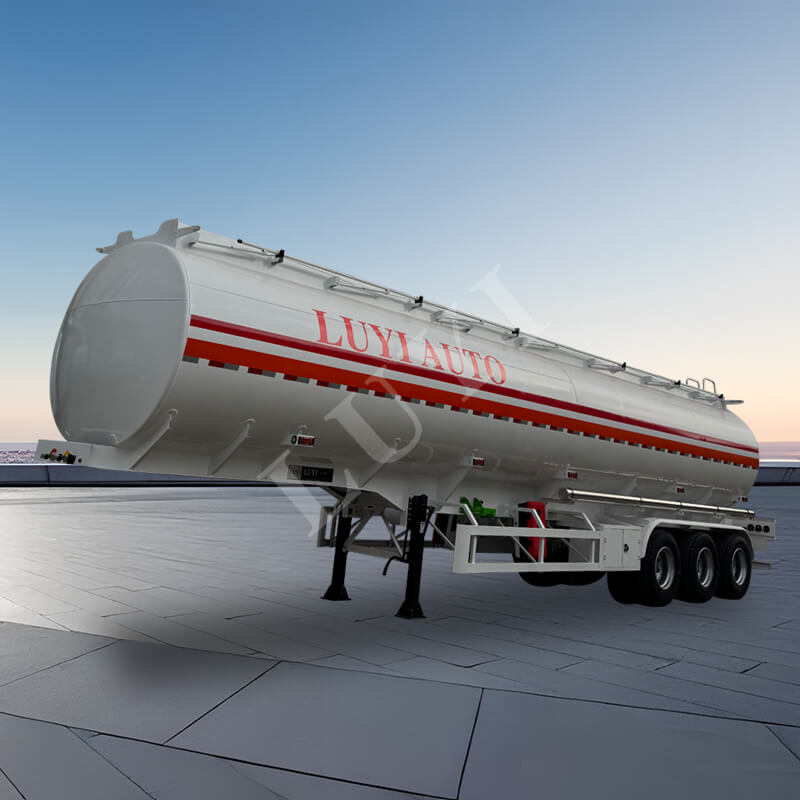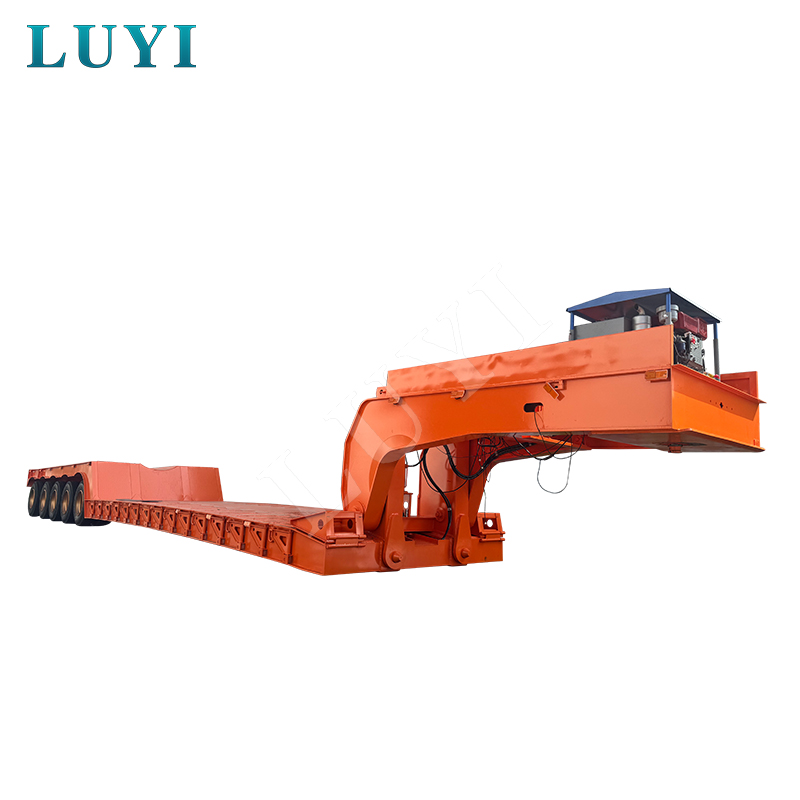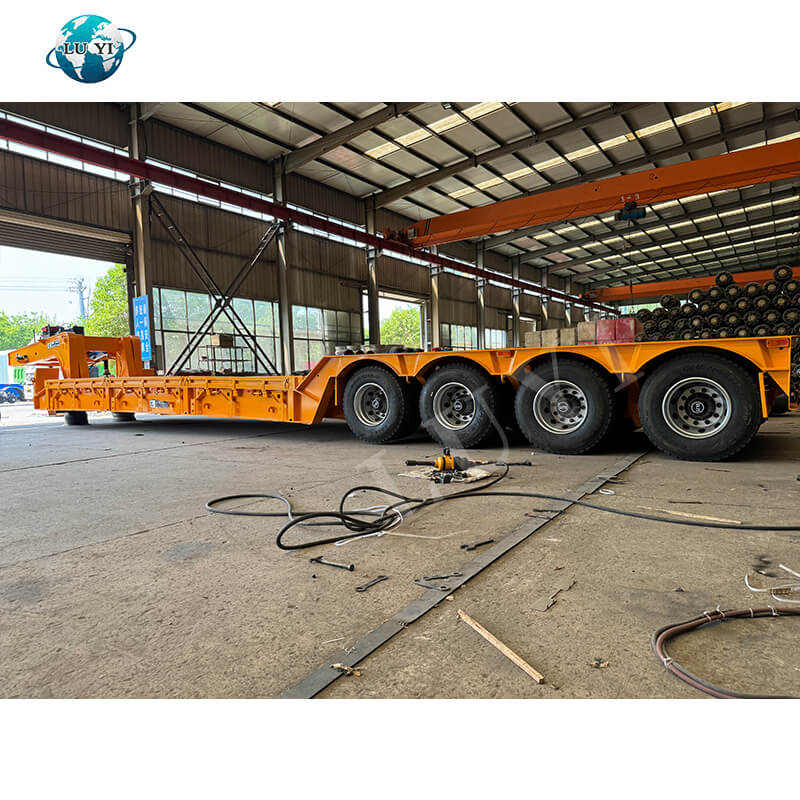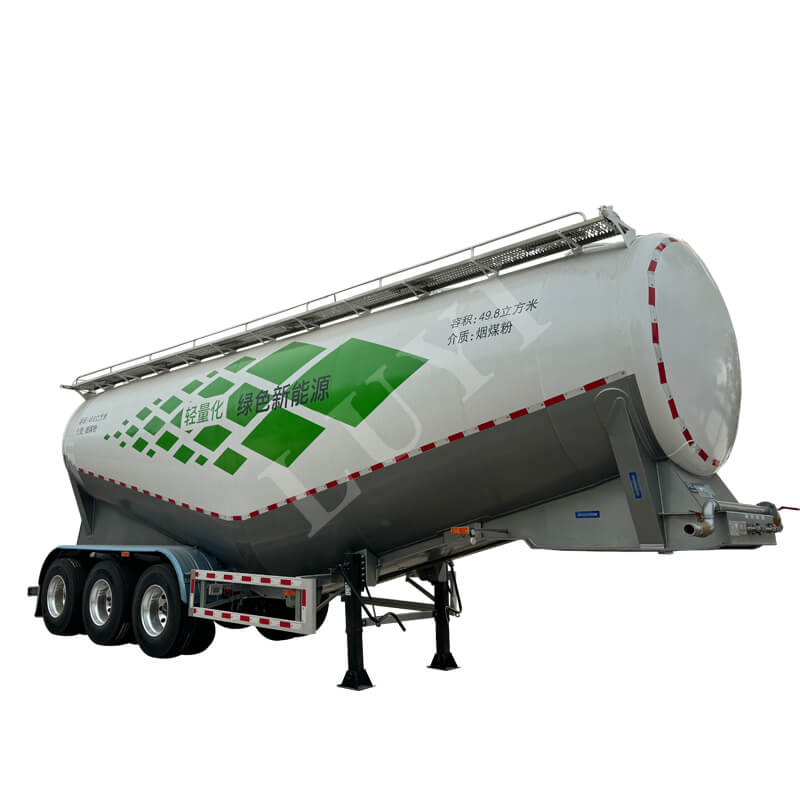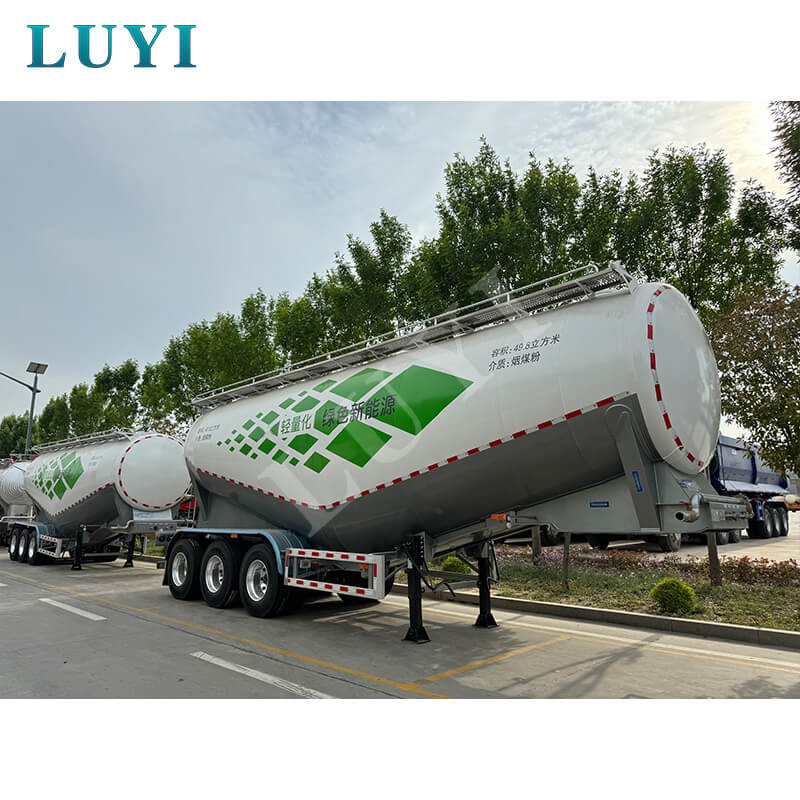

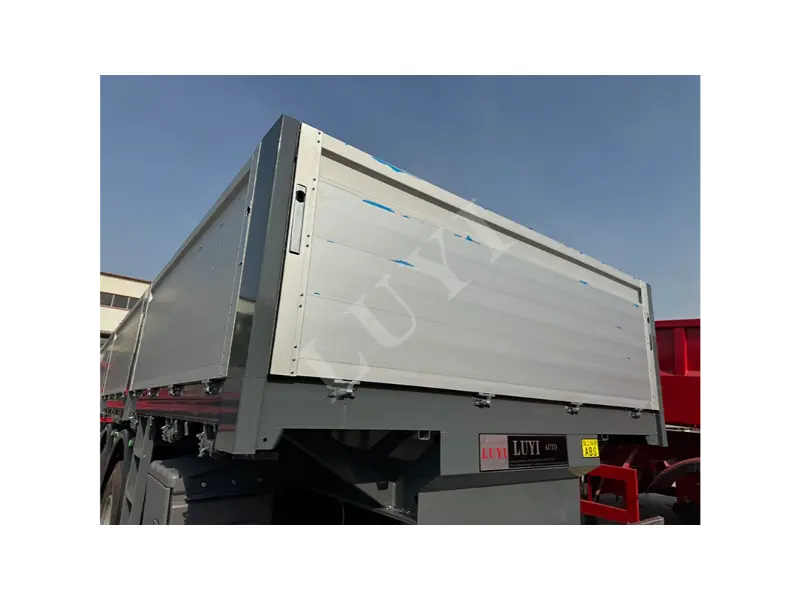
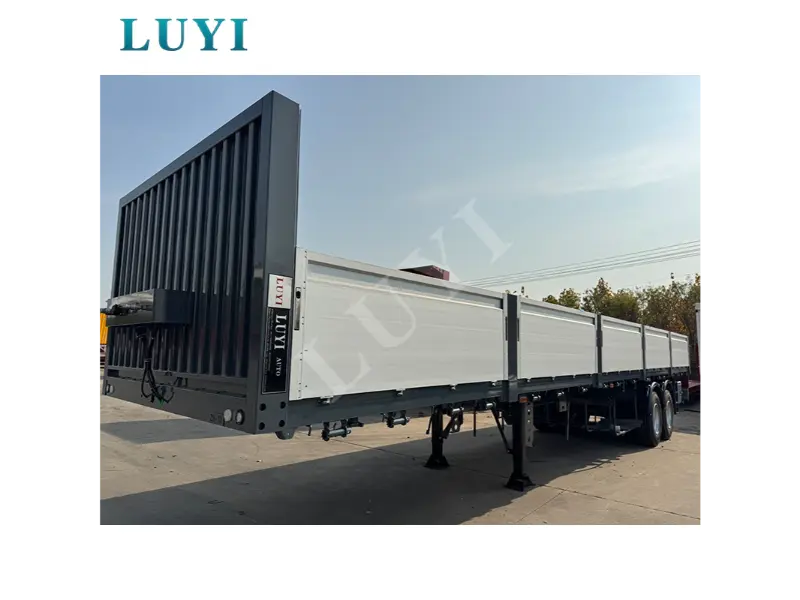
Aluminum side wall semi-trailers with Luyi Auto are one of the most practical options for mainstream road freight. Built with sturdy aluminum side panels and solid frames, they stand out for being lightweight and rust-proof. Unlike ordinary enclosed trailers that only load and unload goods from the front or rear, this model features removable and open side walls. This user-friendly design greatly speeds up cargo handling in daily logistics work. Its light body effectively saves fuel during travel, while the robust structure ensures stable and safe driving. Suitable for both bulk and packaged goods, this trailer type is widely used by logistics companies thanks to its reliable performance and flexible usage.
This Aluminum side wall semi-trailers fits most daily logistics scenarios perfectly. It is commonly used to ship light industrial products, daily packaged goods, textiles and electronic accessories. The open-side design allows fast bulk cargo loading and works well for cross-docking at distribution centers. It is also a great choice for short and medium-distance regional transportation and urban wholesale delivery. Since aluminum resists rust naturally, the trailer performs much better than steel models in humid and coastal areas, avoiding body corrosion and preventing cargo contamination during transit.
The core parameters decide the trailer’s actual working performance. Standard models are 13 to 15 meters long and 2.55 meters wide, with adjustable height between 2.8 and 3.2 meters. Weighing 5 to 7 tons, it is far lighter than full steel trailers and offers a load capacity of 30 to 40 tons. The side walls adopt 3-5mm thick aluminum plates with reinforced anti-collision beams for better durability. Most versions come with a 3-axle layout, matched with mechanical or air suspension for smooth rides. Standard configurations include anti-slip floors, waterproof strips and high-performance brakes, all complying with official road safety regulations.
Choosing the right setup depends entirely on your actual cargo and transport routes. For fleets mostly carrying light goods, an all-aluminum lightweight body with air suspension is the best pick to lower daily fuel spending. If you frequently haul heavy or irregular goods, thickened side panels and reinforced chassis are essential to keep transportation safe. Long-distance highway transport needs upgraded brake systems and heavy-duty tires to cope with long-hour continuous operation. For urban distribution work, low-profile bodies and quick-open side walls can greatly improve loading efficiency. Meanwhile, you need to make sure the trailer fits your towing truck and follows local traffic rules to avoid on-site issues.
Many buyers make avoidable mistakes when purchasing these trailers. Quite a few clients only focus on low purchase prices and ignore material quality and welding standards, which leads to short service life and frequent maintenance troubles. Some blindly choose over-strengthened load structures, bringing extra dead weight and higher long-term fuel costs. Many also overlook waterproof and dustproof performance, which easily causes cargo damage in bad weather. Besides, ignoring the manufacturer’s after-sales service and spare parts support will result in costly and inconvenient repairs later on.
Regular manufacturers provide personalized customization services to meet different operational demands. Customers can adjust the trailer’s overall size, side wall opening styles and load limits based on their usual cargo types. Optional upgrades include high-grade anti-corrosion coating, reinforced cargo fixing devices, hydraulic side wall lifting systems and real-time cargo monitoring tools. For special goods like grain and textiles, custom ventilation and moisture-proof layers are available. Anti-collision and wear-resistant reinforcement can also be added for high-frequency, high-intensity transport fleets.
Service life is one of the most asked questions by buyers. With daily inspection and basic maintenance, a standard Aluminum side wall semi-trailers can last 8 to 12 years with barely any rust problems. Fuel savings are another major advantage; its lightweight build cuts down overall vehicle weight, saving 8% to 15% fuel compared with traditional steel trailers. In terms of safety, reinforced side wall structures and fine welding work prevent deformation under normal load, fully meeting all safety standards for daily commercial road transportation.