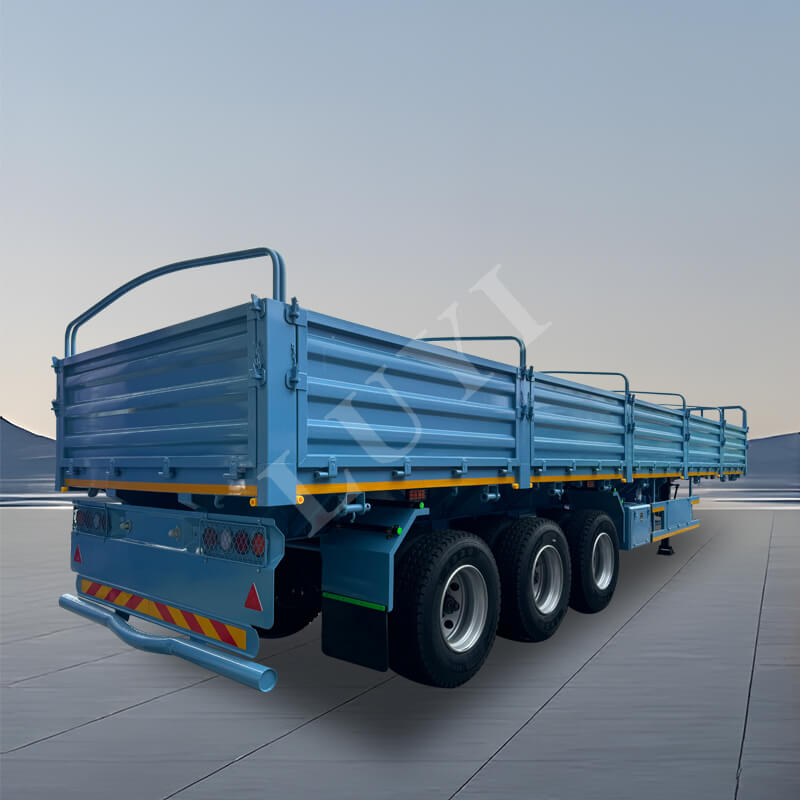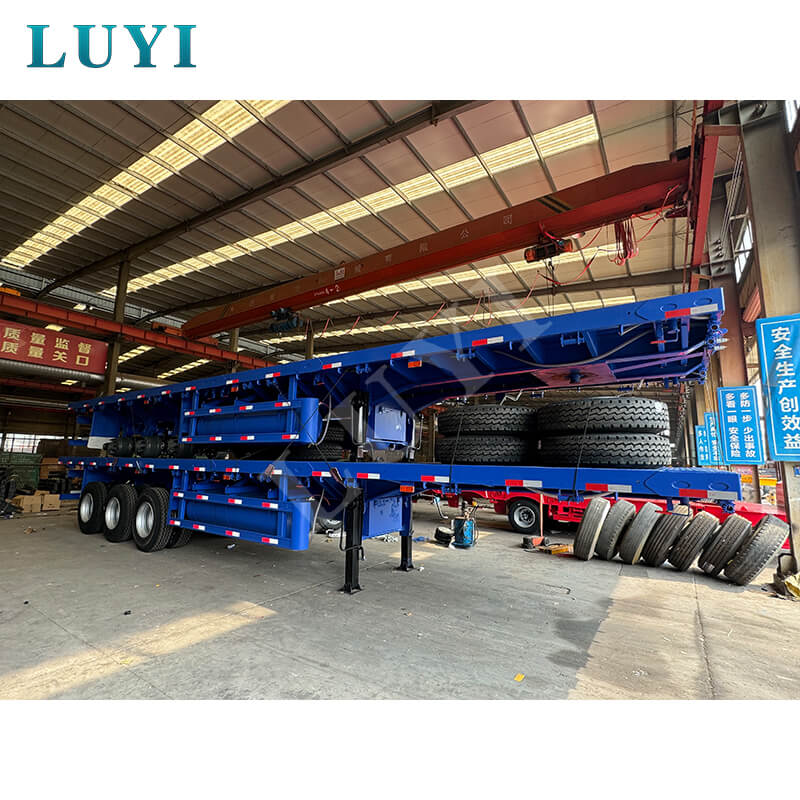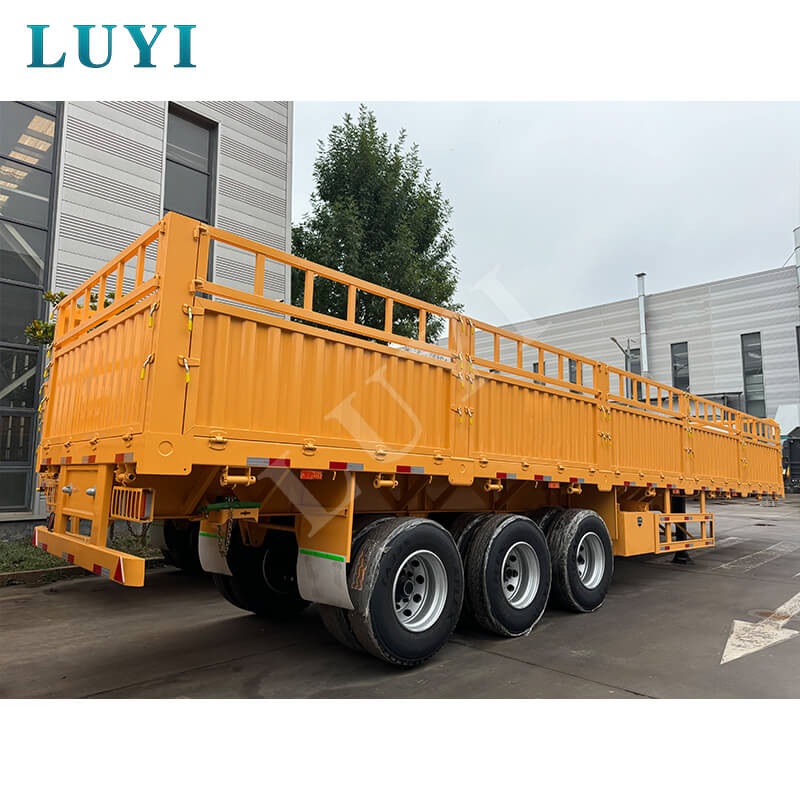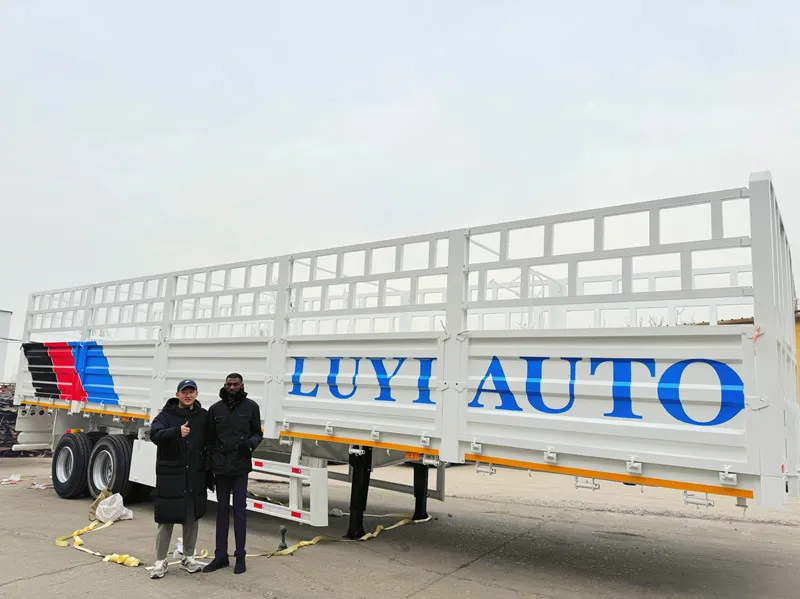

In recent years, flatbed trailer freight has maintained a consistent upward trend, and this growth cannot be fully explained by conventional industries like residential building work or energy field projects. Two major factors fuel this lasting market change: widespread artificial intelligence commercial rollout and the ongoing construction of large-scale data centers. These two trends together create consistent, high-value shipping needs for flatbed fleets, altering shipping routes, cargo types and overall profit levels for logistics teams across North America and other major industrial zones. This steady stream of shipments has broken the old seasonal cycle that once dominated flatbed freight earnings, offering carriers more predictable long-term business opportunities.
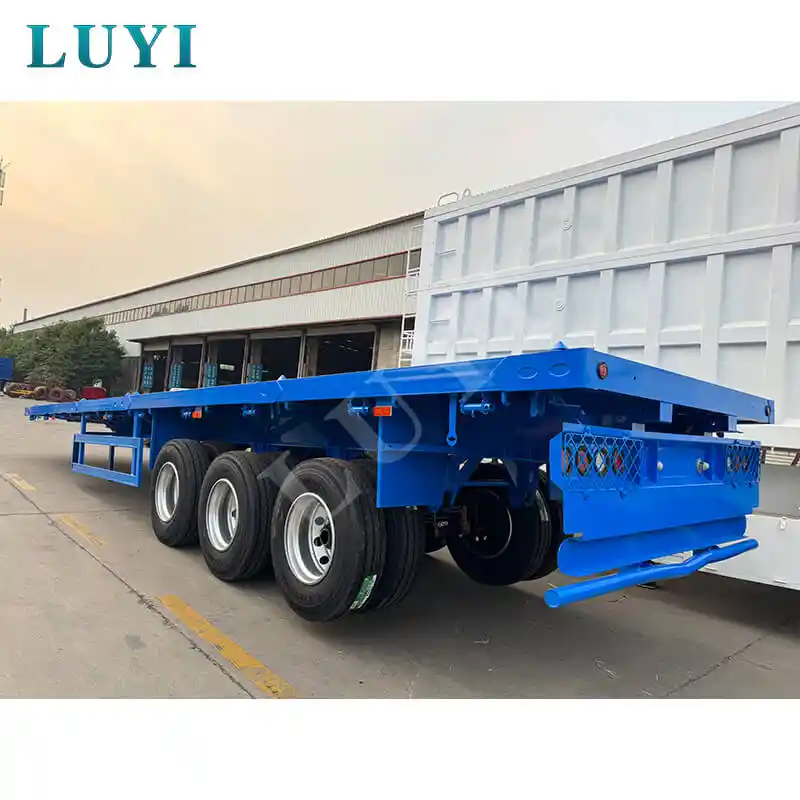
Growing real-world use of AI tools pushes tech companies to build more computing facilities year after year. Training large AI models, running intelligent cloud services and upgrading corporate digital systems all require huge amounts of concentrated computing hardware. Tech firms keep pouring capital into new data center campuses to support rising AI workloads, and these construction sites rely heavily on flatbed transport for their core equipment. Unlike regular consumer goods that fit inside covered vans, data center hardware often comes in oversized, heavy pieces that cannot be enclosed during transit. Heavy power transformers, large cooling units, backup power generators, steel structural frames and pre-built modular server rooms all need open flatbed trailers for delivery. A single mid-sized AI computing campus will generate hundreds of flatbed trips from the start of groundwork through final equipment installation, creating continuous shipping orders over months of construction.
The placement of these new data centers also shifts flatbed shipping patterns. In past decades, most heavy freight moved from coastal harbors to inland retail and factory hubs. Today, most new AI data centers are built inland, where land prices and power supply costs stay lower. Regions such as central Texas, southern Ohio and rural Virginia now see constant flatbed runs carrying imported industrial gear straight from seaports to construction lots. Local logistics records show tight supply in these lanes, with far more pending shipments than available flatbed trailers. This imbalance has pushed spot market shipping rates up for multiple straight months, marking one of the strongest sustained peaks for flatbed haulers in recent years.
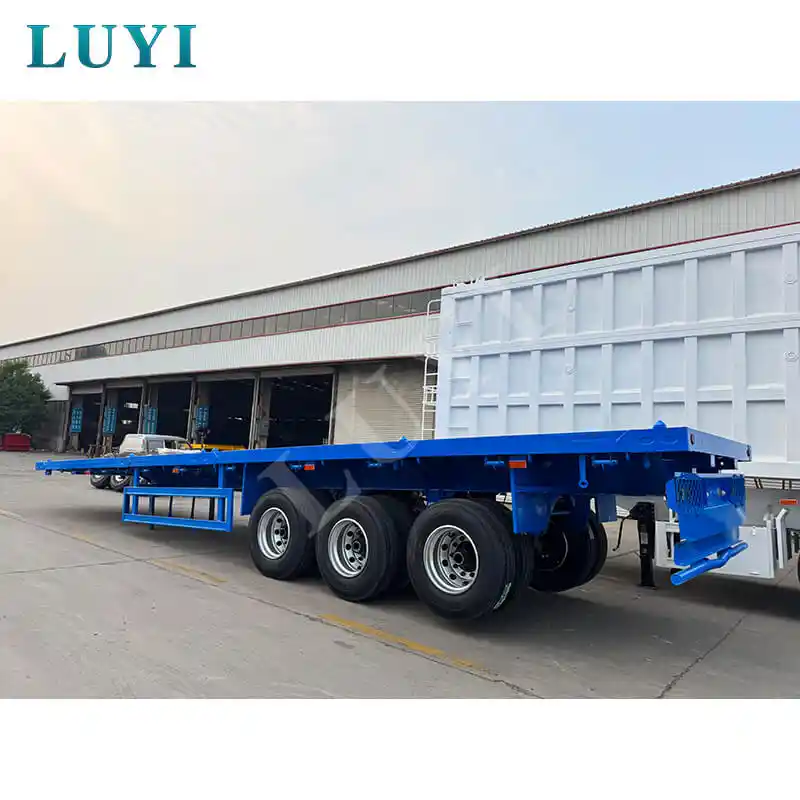
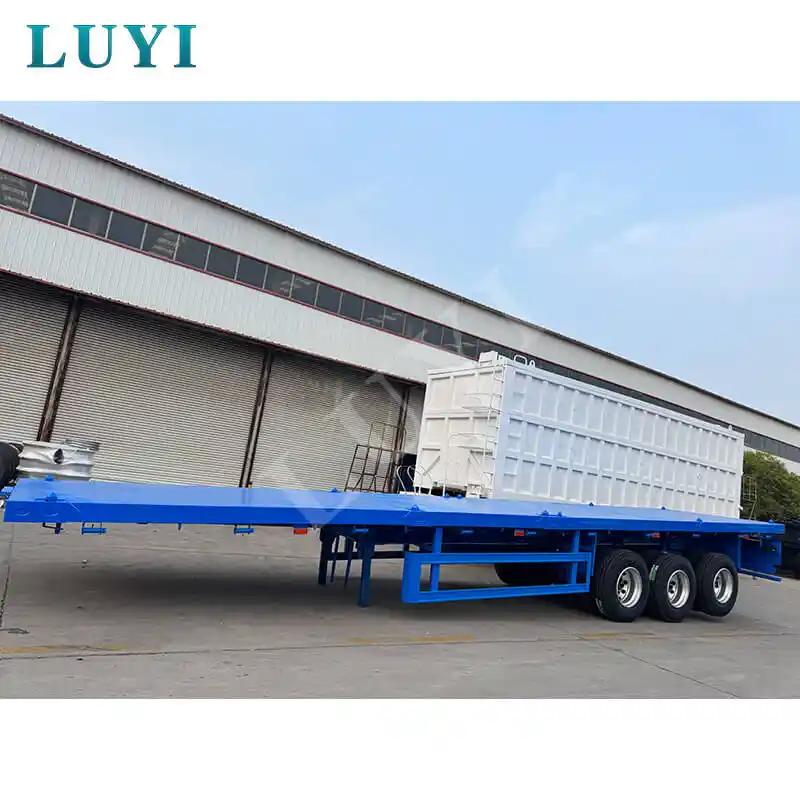
AI does not only create more freight loads; it also helps fleets manage these new shipping demands more efficiently. Many logistics businesses use data analysis tools to track planned data center build schedules, so they can shift their trailers to high-demand routes ahead of equipment delivery deadlines. Route planning tools take into account oversized load road limits, construction site working hours and daily highway congestion, cutting down empty miles that eat into carrier profits. Onboard sensor systems also track flatbed part wear and tear, letting maintenance teams fix small issues early. Delays for data center equipment can stall entire building timelines, so reducing breakdowns directly protects carriers’ client trust and contract renewal chances.
Haulers who once handled scattered small construction shipments now seek formal long-term agreements with data center developers and hardware suppliers. Standard flatbed loads carrying general lumber or metal materials bring thinner profit margins, while data center equipment shipments command higher pay, as clients demand strict on-time delivery sequences to match construction progress. Many small logistics teams are adding heavy-duty flatbed trailers to their fleets to handle extra-large transformers and cooling machinery, since many shipping requests now go unfulfilled due to limited specialized trailer capacity.
Industry insiders do not expect this demand wave to slow anytime soon. Global investment in data center building will keep climbing as AI tools spread through every line of business. Flatbed freight demand will stay closely linked to this computing infrastructure expansion, standing apart from the short-term swings seen in regular manufacturing shipping. For logistics company owners and fleet managers, understanding the tight connection between AI expansion, data center building and flatbed shipping volumes will be key to steady income growth and matching vehicle capacity to this long-term structural market shift.