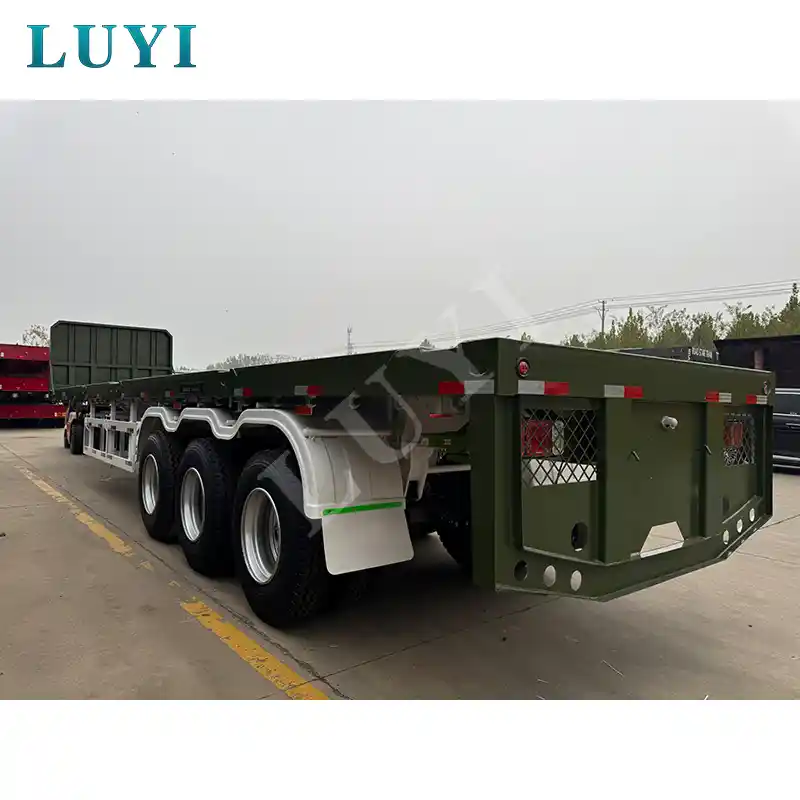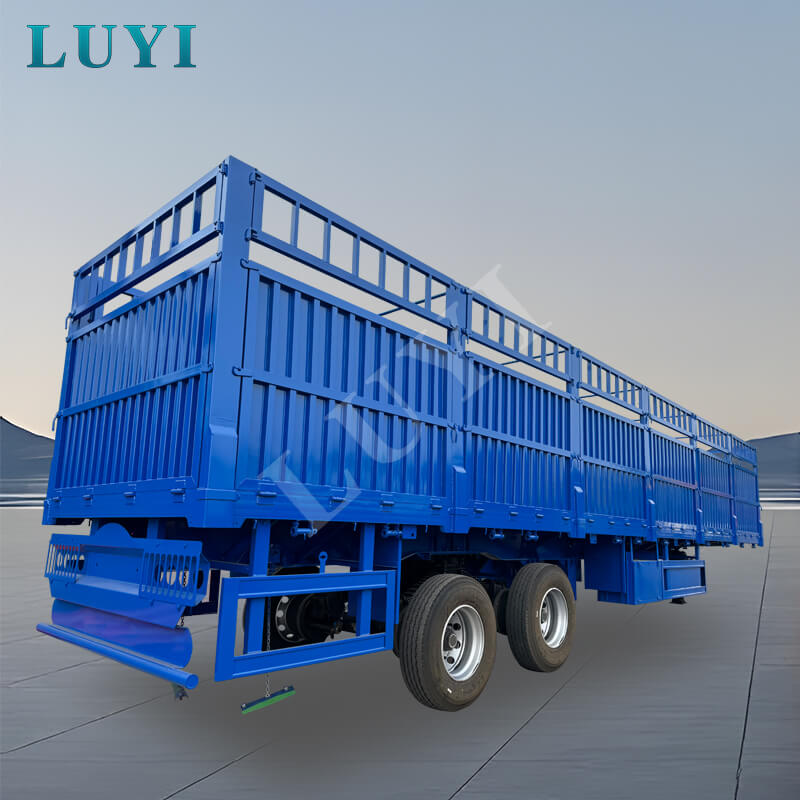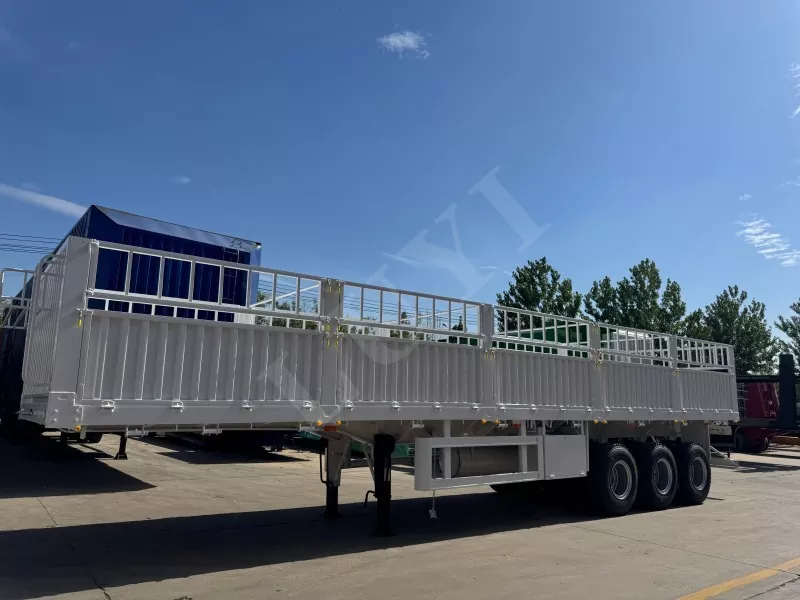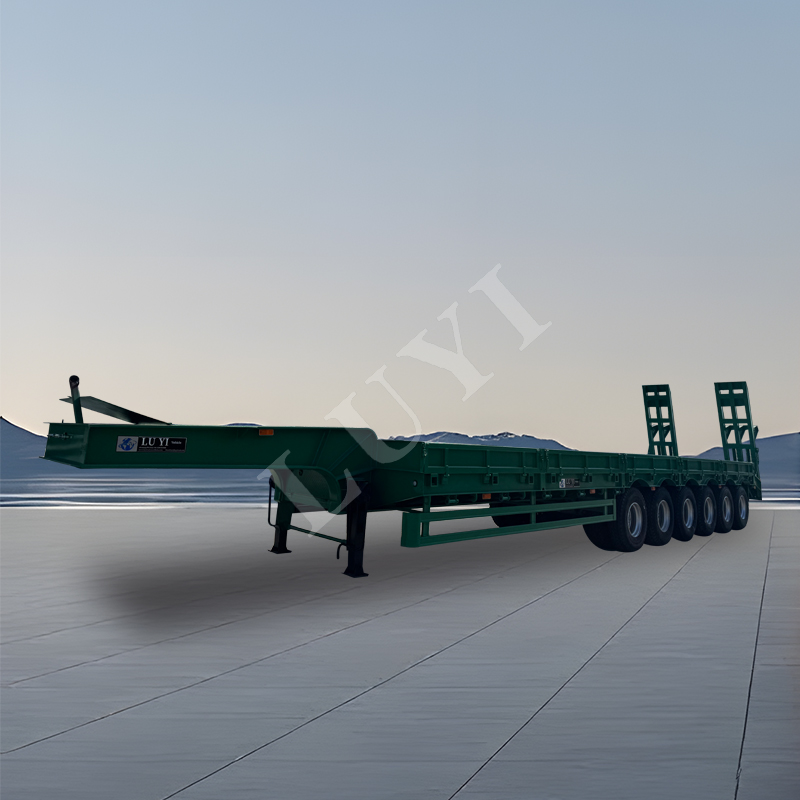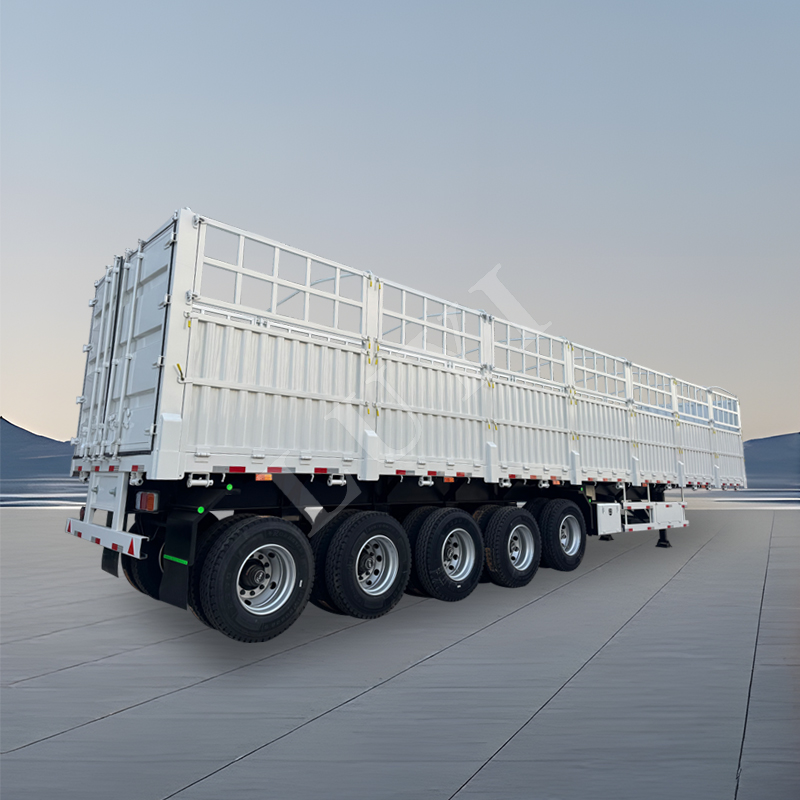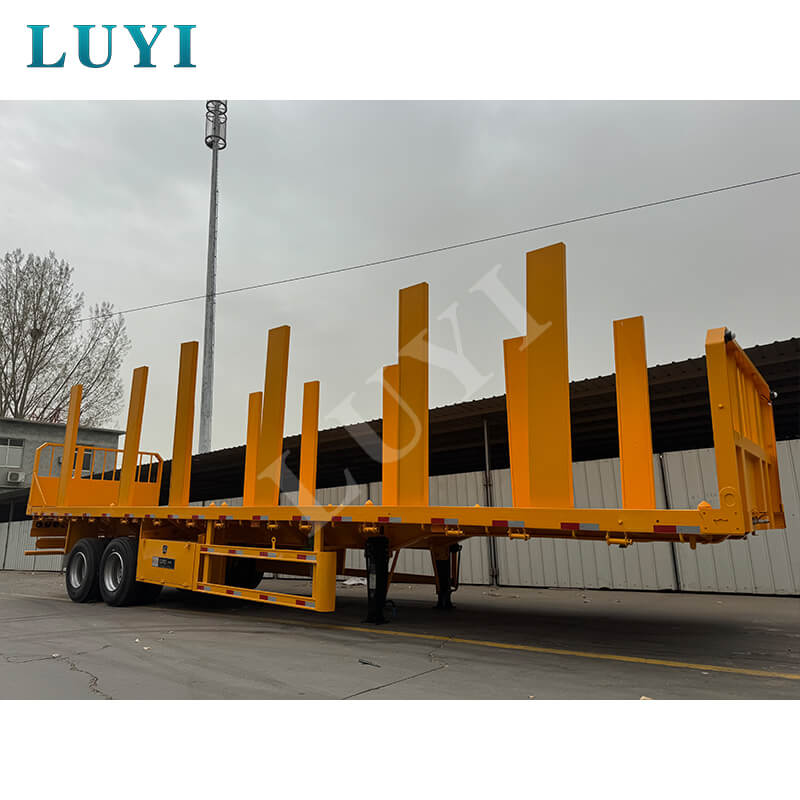

Global clean energy construction is accelerating, and wind farms, solar power bases and centralized power storage projects are being deployed in remote mountainous areas, coastal zones and rural plains. Every wind turbine blade, solar bracket, power transformer and energy storage cabinet relies on road transportation to reach construction sites. Ordinary cargo trailers cannot match the unique logistics demands of renewable energy hardware, which makes durable, custom flatbed trailers an irreplaceable core asset for all energy developers, contractors and equipment manufacturers. Reliable flatbed trailers directly cut project delays, lower cargo damage rates and control overall transportation expenditure, forming a solid logistics foundation for on-schedule renewable energy construction.
Wind power equipment poses the most extreme transport difficulties among all clean energy cargo. Modern turbine blades often stretch 60 to 90 meters, while nacelles and tower barrels weigh over 80 tons with irregular outlines. Conventional enclosed or short chassis trailers lack expandable structures and reinforced load-bearing frames, leading to unbalanced weight distribution, bending deformation and traffic clearance failures on mountain bends. Professional flatbed trailers adopt hydraulic telescopic girders built with high-tensile structural steel, freely extending deck length to lock ultra-long blades firmly. Multi-axis steering and air suspension systems evenly disperse heavy loads, reducing bump vibration during cross-country travel and eliminating hidden risks of blade surface cracking or internal structural fracture. Many project operators once suffered weeks of construction suspension after using non-specialized haulers, as damaged blades needed re-production and re-delivery, proving that low-quality transport tools create far greater hidden costs than trailer investment.
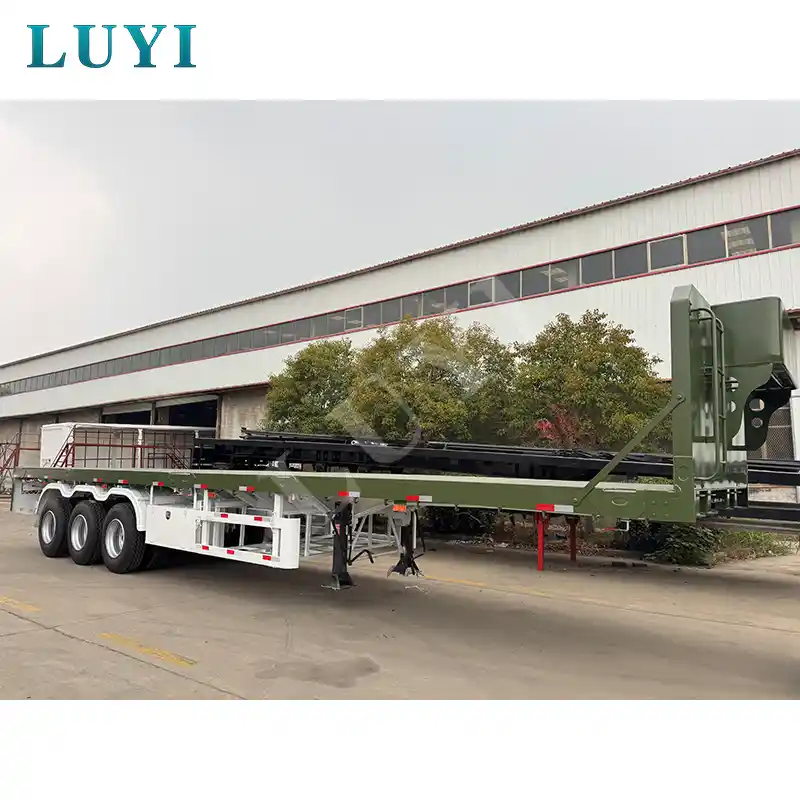
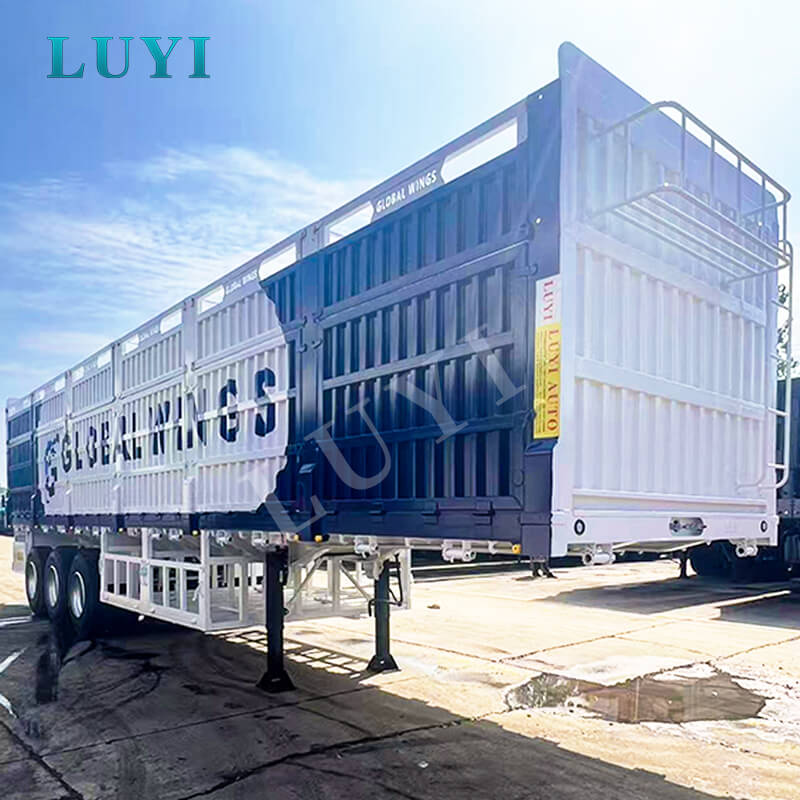
Solar and power storage equipment brings another set of transport challenges: fragility and bulk stacking demands. Solar panels, inverter cabinets and battery energy storage modules feature precision electronic components that cannot withstand extrusion or sharp impact. Open flatbed platforms support overhead crane loading and multi-angle binding without confined space restrictions, allowing logistics teams to fix protective foam and anti-slip brackets around each cargo unit flexibly. Compared with closed vans that cause poor ventilation and heat accumulation, flatbed layouts avoid overheating damage to power batteries during long-distance transit. Large solar projects require mass delivery of aluminum mounting frames and steel support components; the wide flat deck holds dozens of frame bundles in single trips, greatly improving loading efficiency and cutting total transport trips by nearly 40% for medium-scale solar bases.
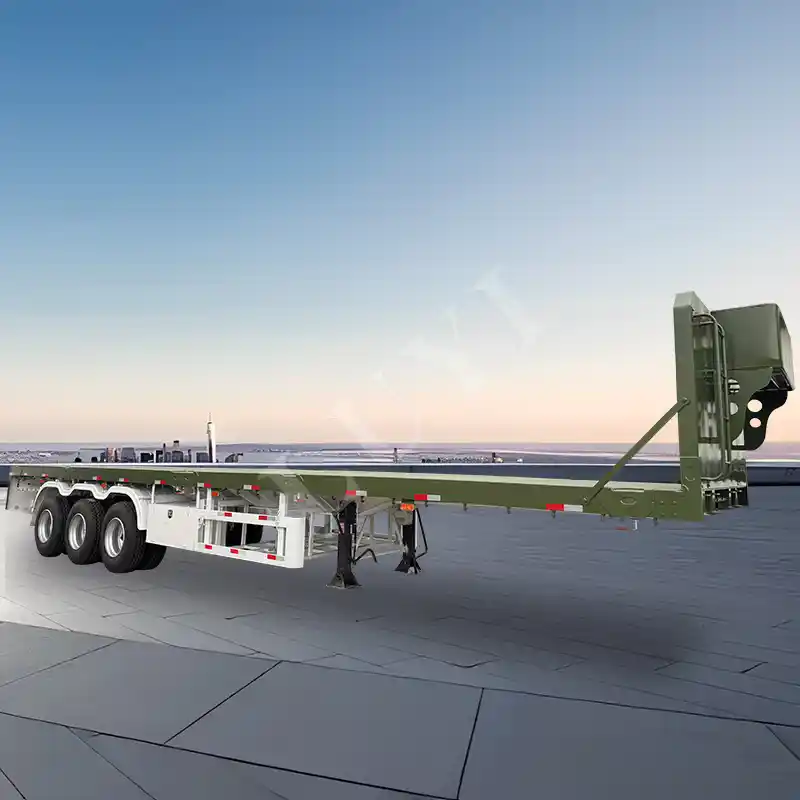
A trustworthy flatbed trailer also complies with international industrial certification standards, meeting the EEAT evaluation criteria Google emphasizes for industrial service content. Qualified manufacturers produce trailers passing ISO 9001, CE and DOT heavy vehicle tests, with full third-party load detection reports available for global cross-border transport permits. Ten-plus years of manufacturing experience enables brands to adjust axle quantity, deck height and hydraulic stretching range according to regional road laws in Europe, Southeast Asia and Latin America, solving regulatory obstacles for overseas renewable energy projects. Real project cases, such as delivering 120 sets of wind power accessories to a 200MW wind farm in Vietnam, reflect the practical experience of matching flatbed specifications to complex mountain route conditions, building authority and trust for energy buyers browsing website content.
From the perspective of project cycle control, consistent trailer reliability stabilizes the whole construction timeline. Renewable energy projects sign strict grid connection deadlines, and any transport delay will trigger liquidated damages and missed government clean energy subsidies. Premium flatbed trailers adopt wear-resistant tires, stable braking systems and replaceable load-bearing parts, cutting breakdown frequency during long-distance hauling. Manufacturers provide 12-month core component warranty and global after-sales spare parts supply, solving operators’ worries about sudden vehicle failures in remote regions. Frequently asked questions from energy contractors focus on trailer payload limits, cross-border certification support and customized telescopic sizes, all of which reliable flatbed suppliers can answer with technical data and real project references, extending user page stay time and boosting website search performance.
All renewable energy logistics revolve around balancing safety, efficiency and cost. Unstable, non-customized trailers turn transport into the biggest project bottleneck, while qualified flatbed haulers integrate flexibility, load capacity and regulatory compliance into one vehicle. For wind turbine oversized parts, fragile solar modules and heavy power transformers, investing in dependable flatbed trailers eliminates cargo loss, schedule delays and compliance risks, ensuring clean energy infrastructure rolls smoothly from factories to construction sites. As global renewable capacity expands year by year, specialized flatbed transport solutions will remain an essential prerequisite for every successful wind, solar and power storage project worldwide