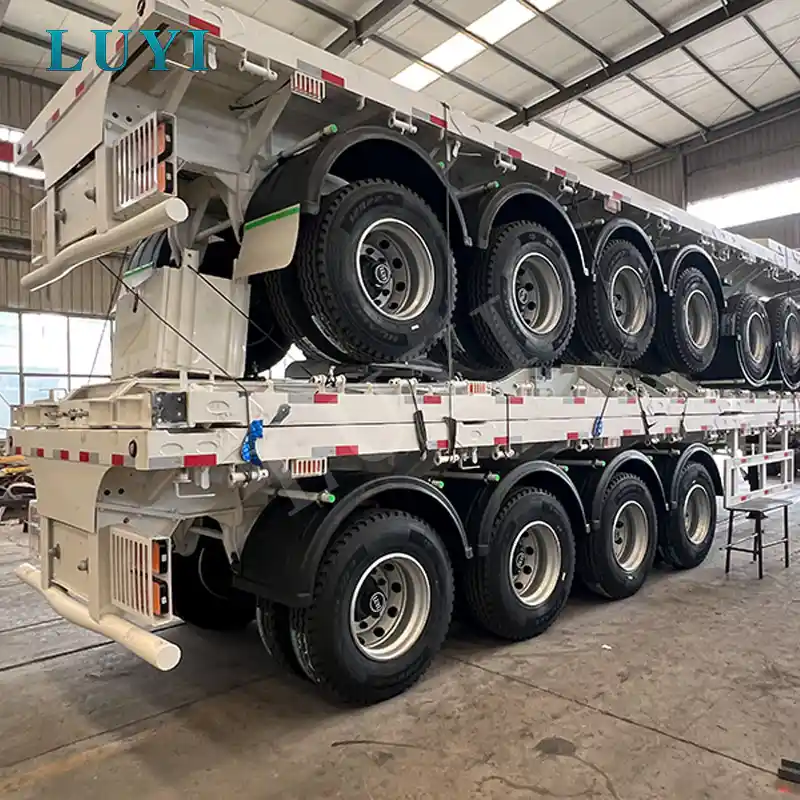
Anyone who hauls extra-large goods on flatbed trailers will tell you rollover risks don’t just come from fast driving—most accidents start with careless loading and flimsy load securing. I’ve spent years working alongside long-haul truckers and fleet managers, and I’ve seen dozens of avoidable incidents: sliding steel beams, tipped flatbeds on highway curves, and expensive cargo write-offs that all stem from basic securement mistakes.
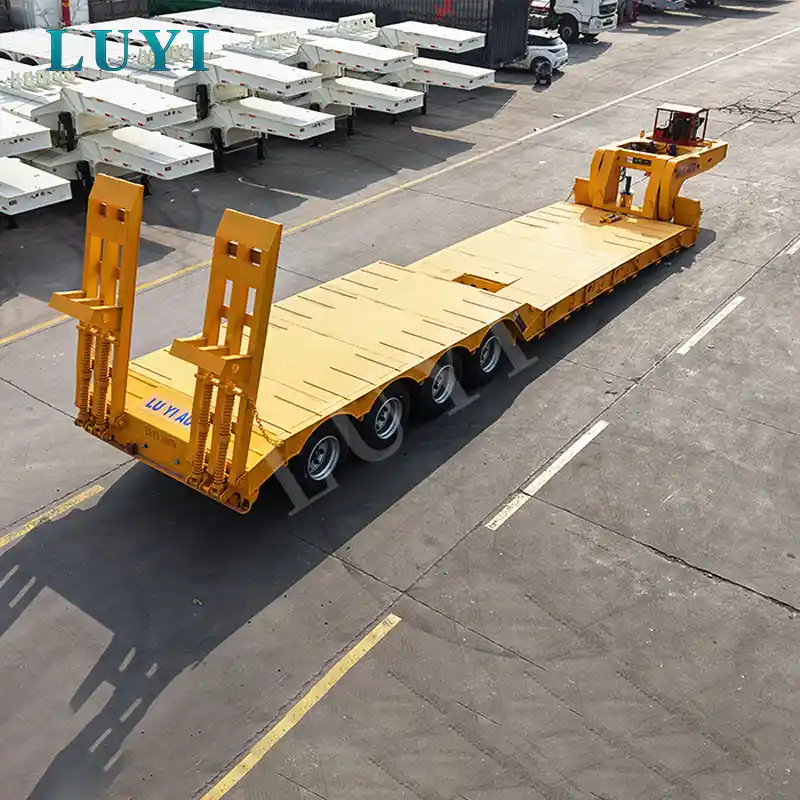
Operators of construction fleets, mining teams and heavy machinery export companies all understand how vital a trustworthy lowbed semi trailer supplier is to daily transport operations. Also referred to as lowboy trailers, these hauling vehicles feature lowered deck surfaces, multi-axle load-bearing frames and detachable gooseneck structures.
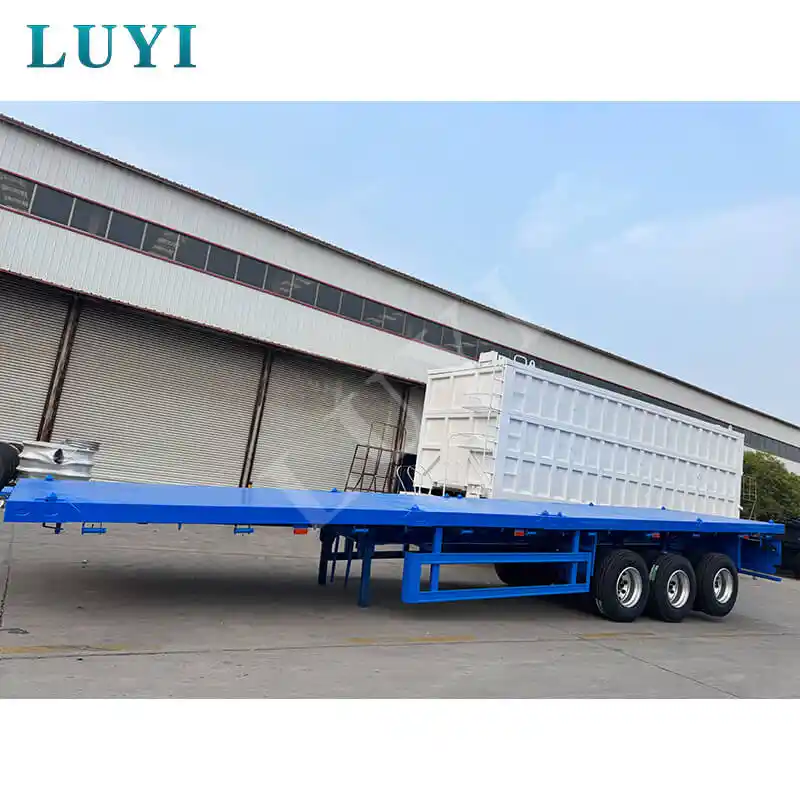
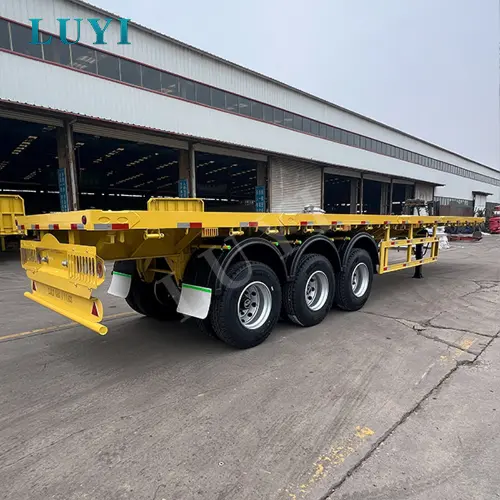
Anyone who’s worked in freight will tell you how hard it is to lock down flatbed trucks when holidays and busy shipping seasons roll around. Steel coils, construction lumber and oversized industrial equipment all depend on open flatbed units, yet driver shortages, rushed retail orders and unpredictable weather quickly drain available trailers.
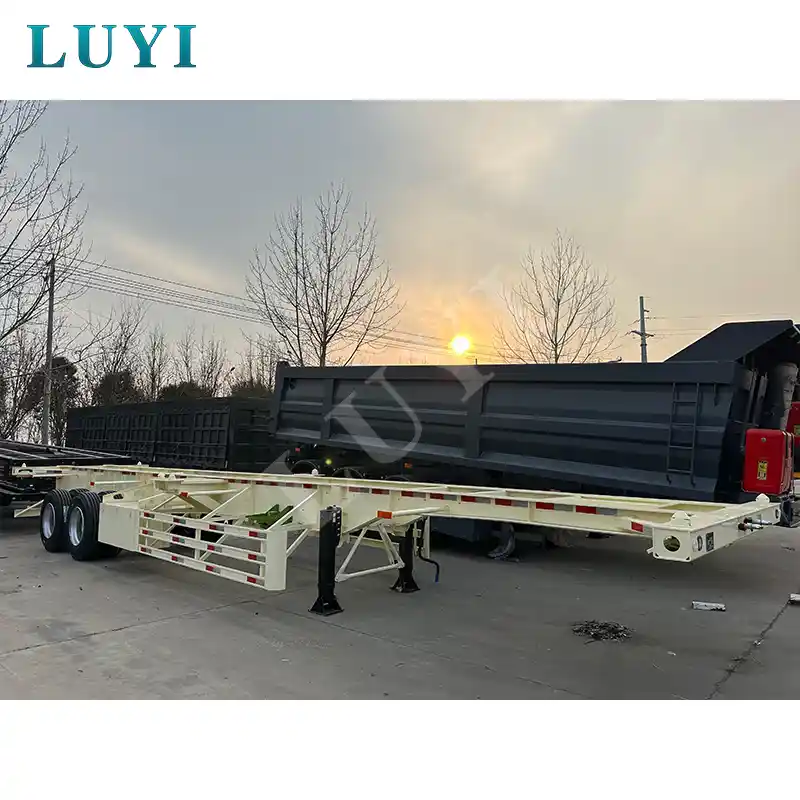
For construction fleet managers, farm logistics operators and industrial transport contractors, picking the right trailer to move heavy machinery directly shapes delivery speed, compliance costs and job profitability. Many haulers struggle to tell apart flatbed and step deck trailers when planning shipments of excavators, compact loaders, industrial generators and farm harvesters.
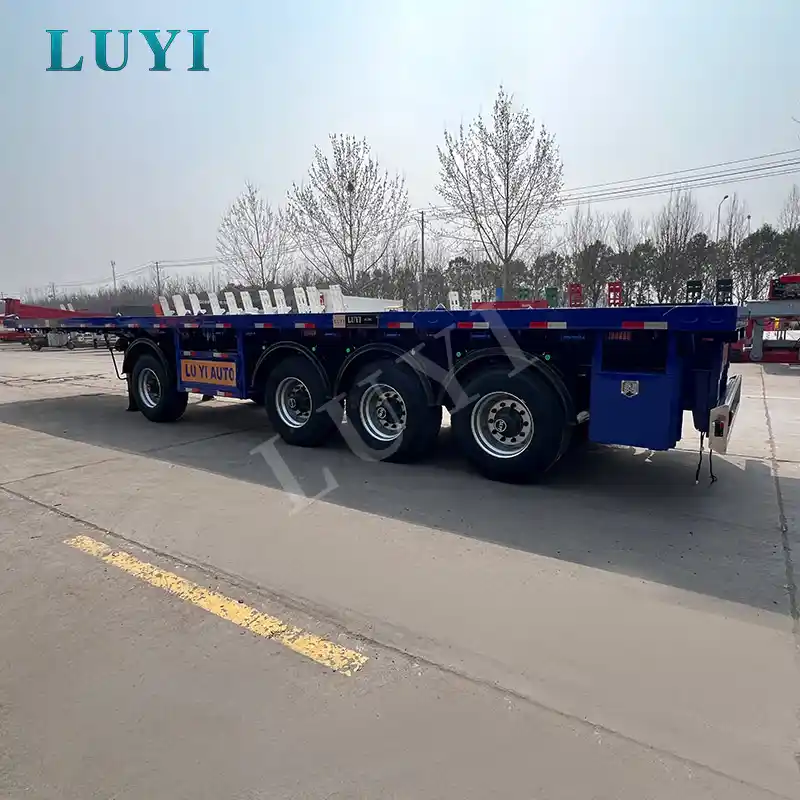
For haulage firms, independent truck operators and bulk trailer buyers operating in 2026’s tight-margin logistics space, picking the right lightweight flatbed trailer material directly shapes daily payload limits, yearly fuel bills and how long your equipment stays functional.
Fuel prices have stayed at elevated levels across global freight routes for years, hitting flatbed transport fleets harder than most other haulage businesses. Any extra fuel burned each day eats straight into fleet profits, and many dispatch managers only focus on engine maintenance or tire pressure to cut running costs, ignoring wind drag that bleeds fuel nonstop at highway speeds.
We use cookies to offer you a better browsing experience, analyze site traffic and personalize content. By using this site, you agree to our use of cookies.Privacy Policy


 20 2026-07
  20 2026-07
  20 2026-07
  20 2026-07
  20 2026-07
  20 2026-07