2026 sees nonstop infrastructure expansion across the world, a trend that directly fuels growing market need for heavy-duty flatbed trailers. Governments and private construction investors keep launching road rebuilding, cross-river bridge, wind farm and industrial park projects in Asia, Africa, Europe and Latin America.
LUYI AUTO’ve spent over 15 years building and exporting lowbed trailers, talking with haulage business owners from more than forty countries every month. The biggest expense most fleet operators run into isn’t fuel or toll fees—it’s unplanned trailer damage that could’ve been avoided with simple regular checks.
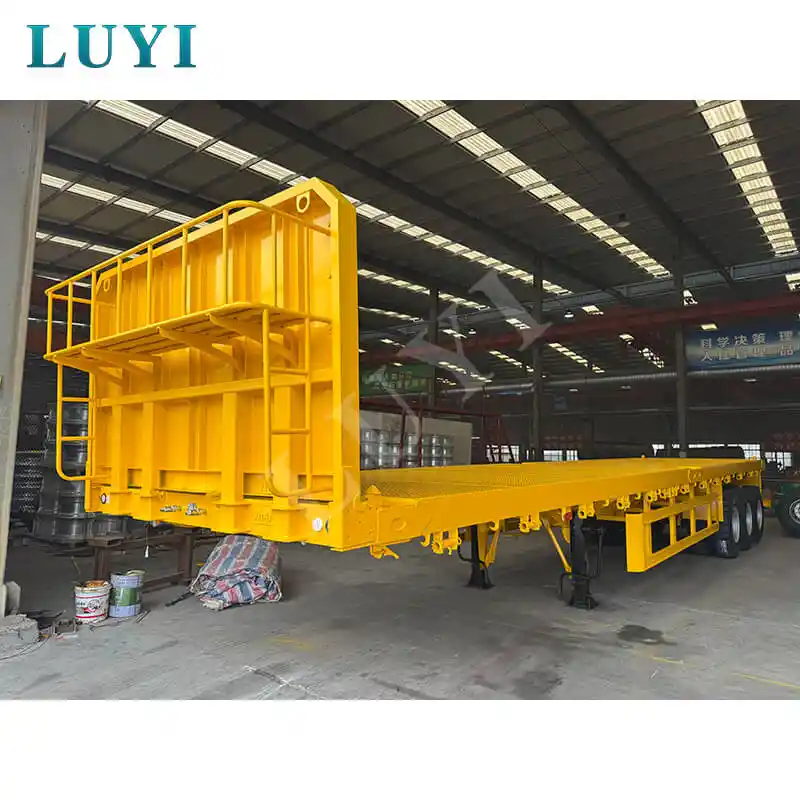
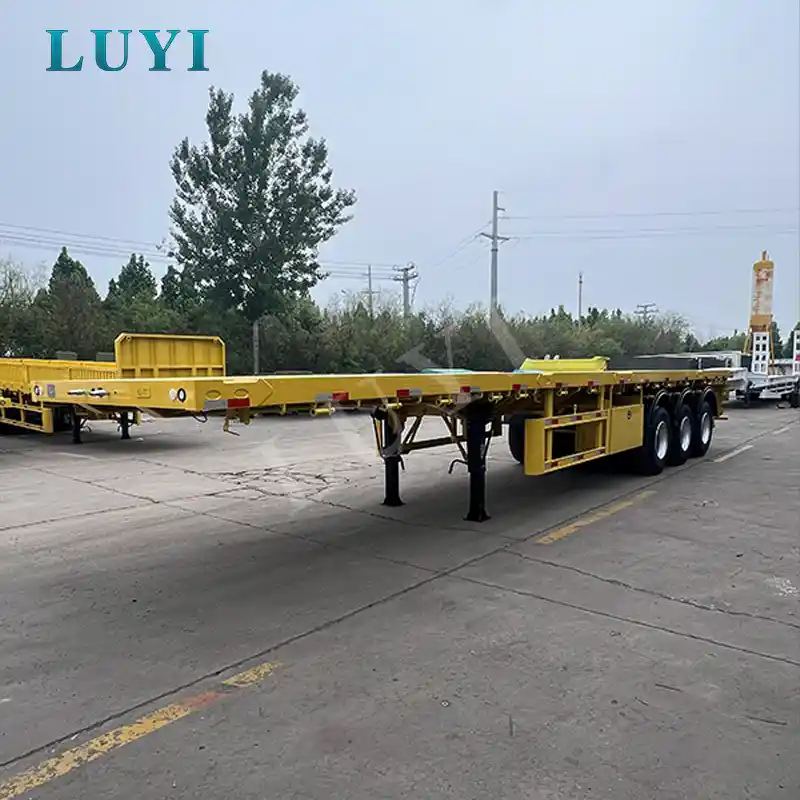
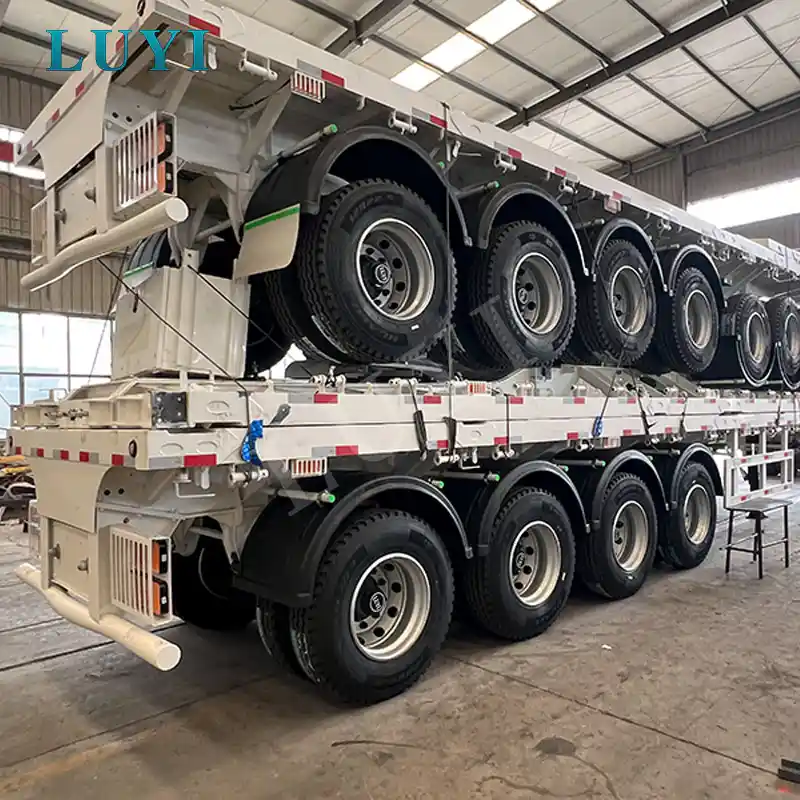
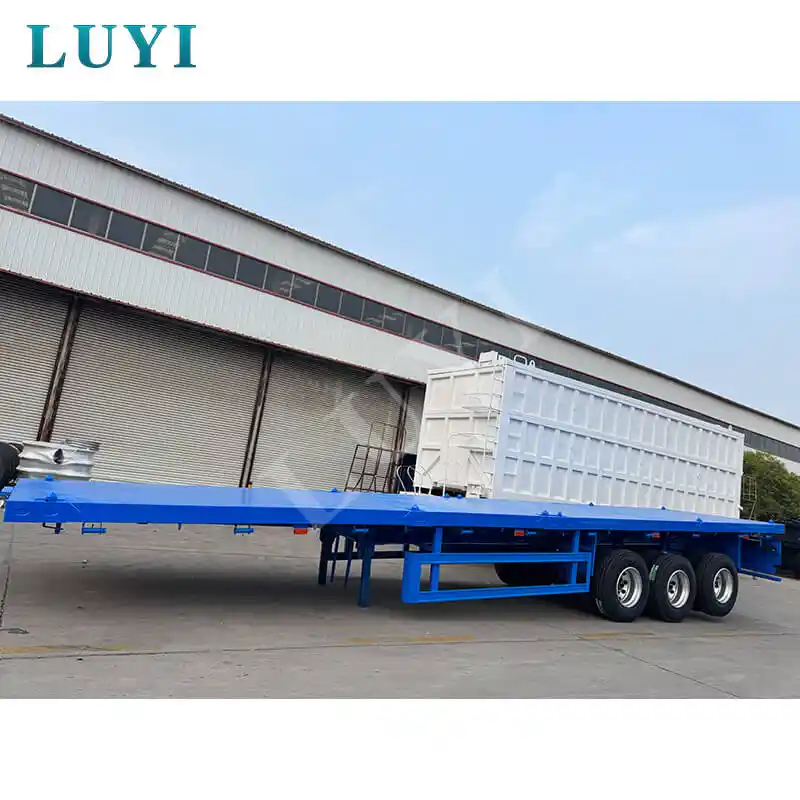
As a flatbed trailer maker with nearly two decades of production and overseas shipment experience, our team has compiled this hands-on seasonal maintenance guide for fleet owners and independent haulers. Flatbed trailers carry exposed heavy loads all year round, and shifting weather, UV sunlight, road salt and rain will wear down tires, brake assemblies, frame structures and lashing hardware fast.
Anyone who hauls extra-large goods on flatbed trailers will tell you rollover risks don’t just come from fast driving—most accidents start with careless loading and flimsy load securing. I’ve spent years working alongside long-haul truckers and fleet managers, and I’ve seen dozens of avoidable incidents: sliding steel beams, tipped flatbeds on highway curves, and expensive cargo write-offs that all stem from basic securement mistakes.
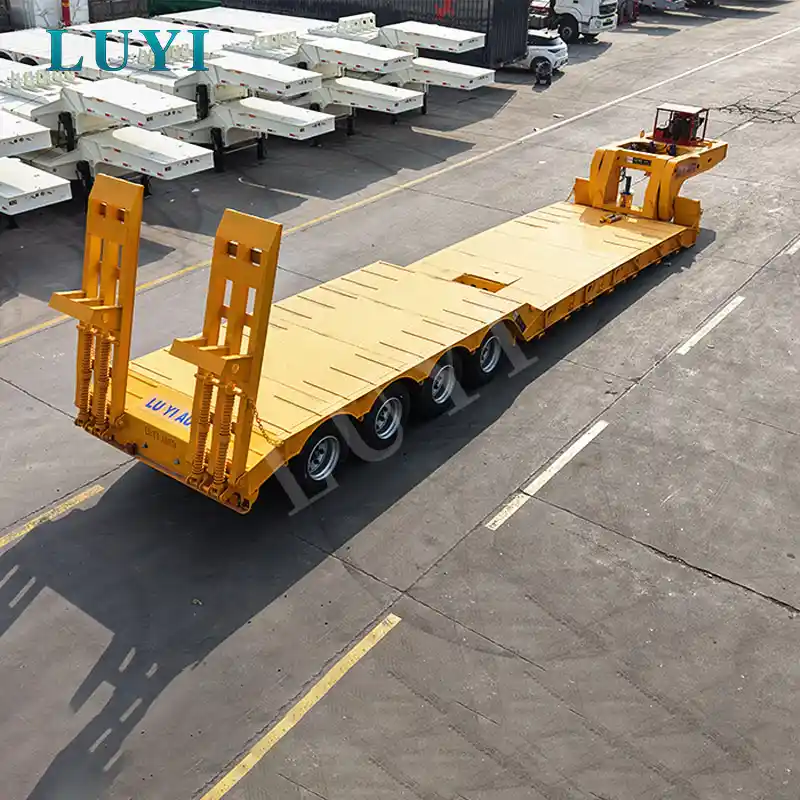
Operators of construction fleets, mining teams and heavy machinery export companies all understand how vital a trustworthy lowbed semi trailer supplier is to daily transport operations. Also referred to as lowboy trailers, these hauling vehicles feature lowered deck surfaces, multi-axle load-bearing frames and detachable gooseneck structures.
Anyone who’s worked in freight will tell you how hard it is to lock down flatbed trucks when holidays and busy shipping seasons roll around. Steel coils, construction lumber and oversized industrial equipment all depend on open flatbed units, yet driver shortages, rushed retail orders and unpredictable weather quickly drain available trailers.
We use cookies to offer you a better browsing experience, analyze site traffic and personalize content. By using this site, you agree to our use of cookies. Privacy Policy


 20 2026-07
 20 2026-07
 20 2026-07
 20 2026-07
 20 2026-07
 20 2026-07