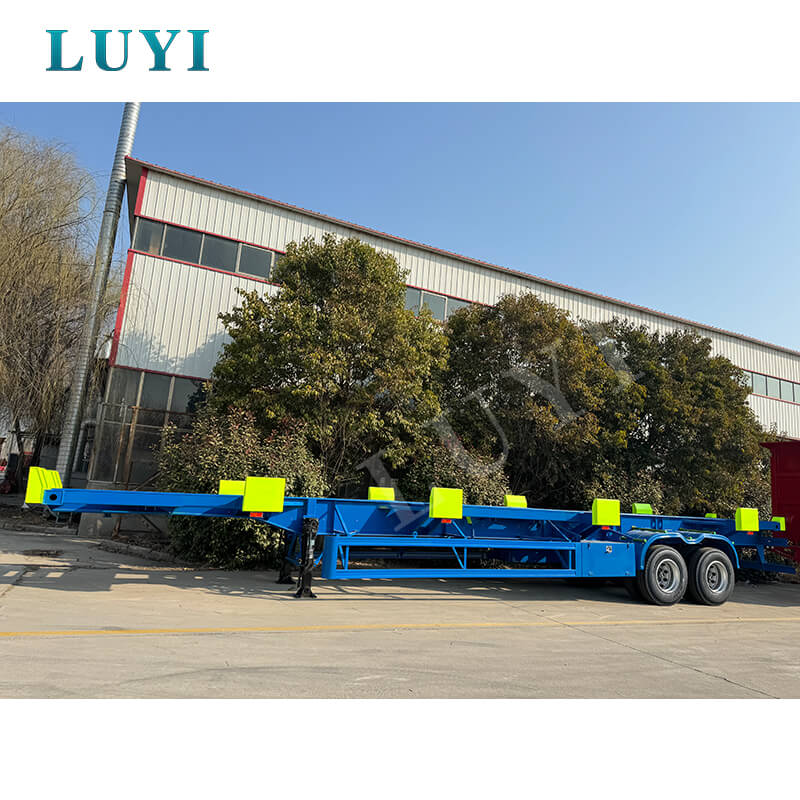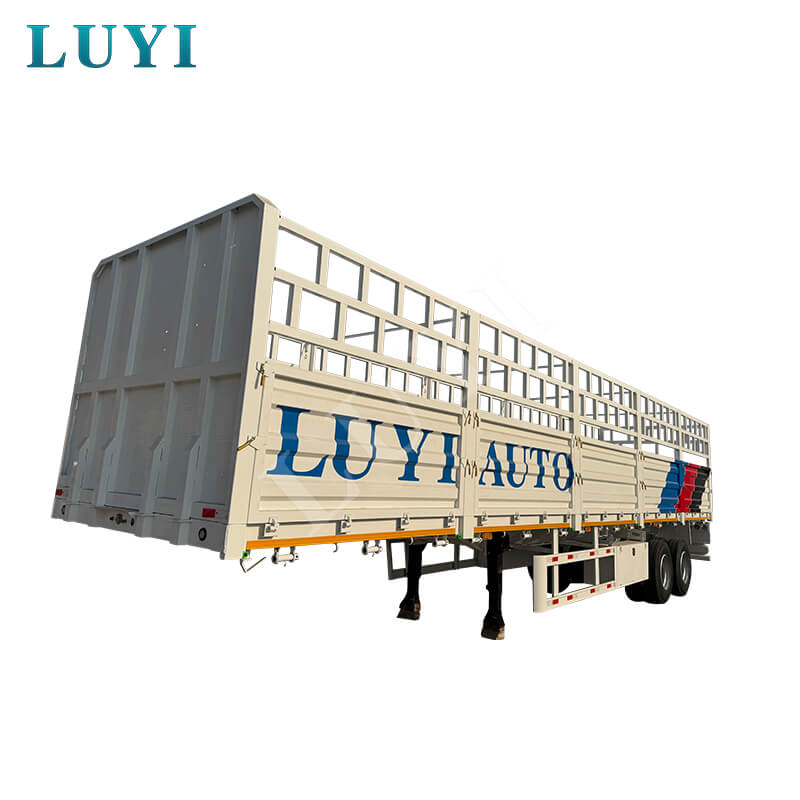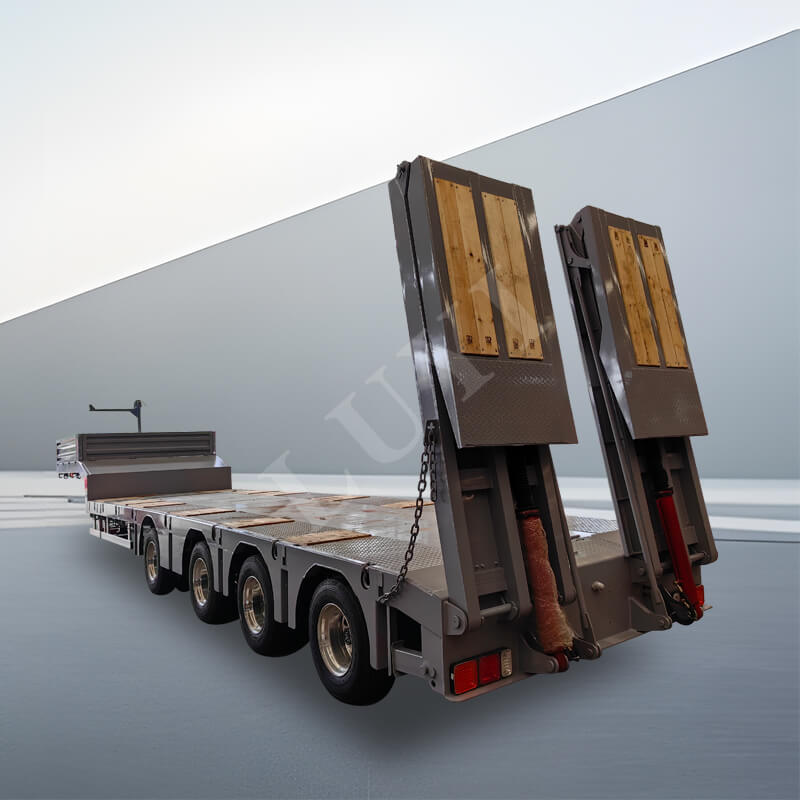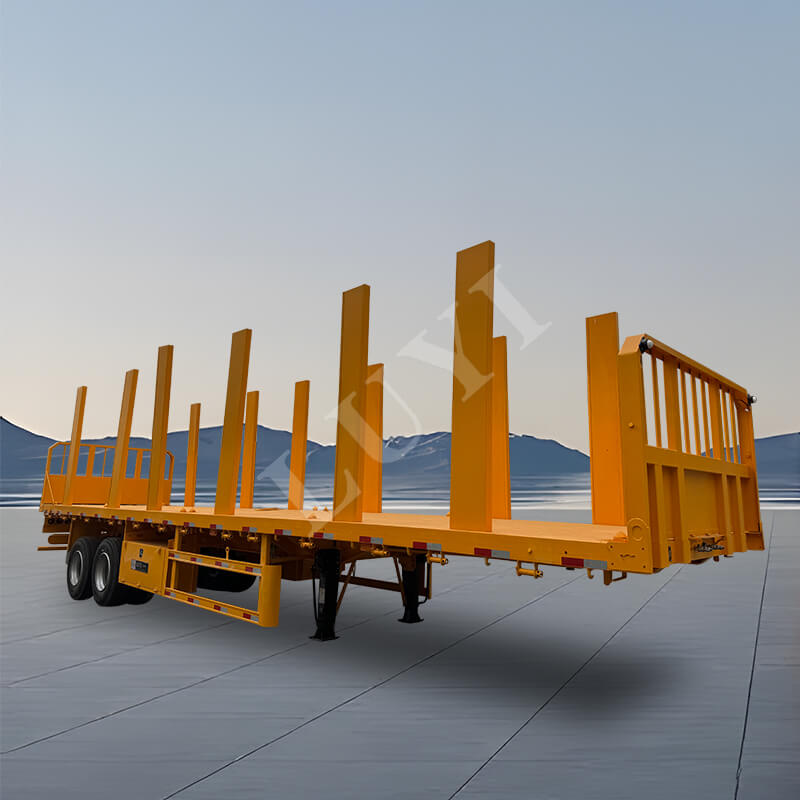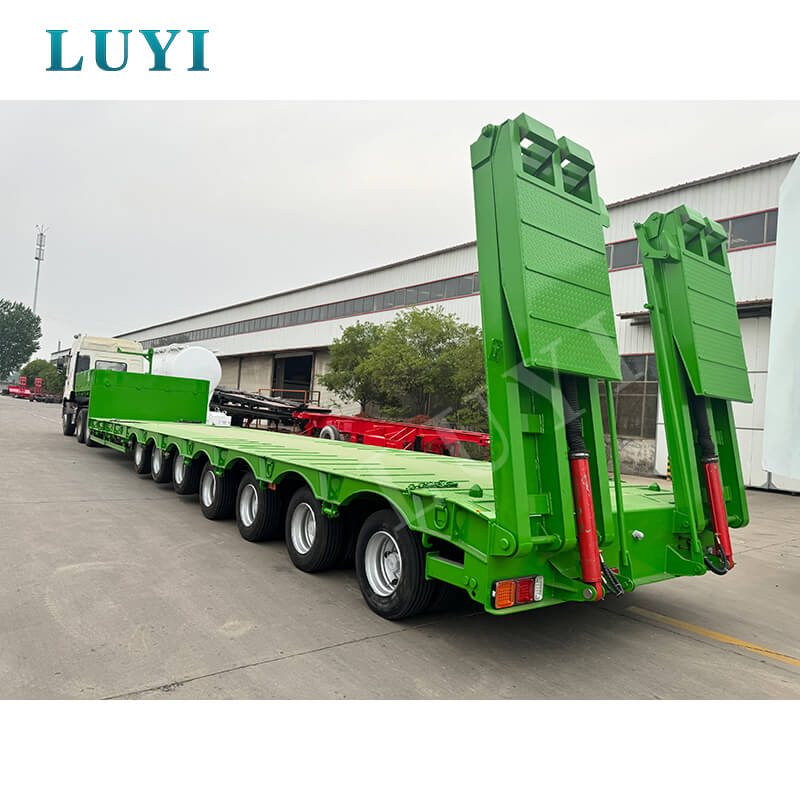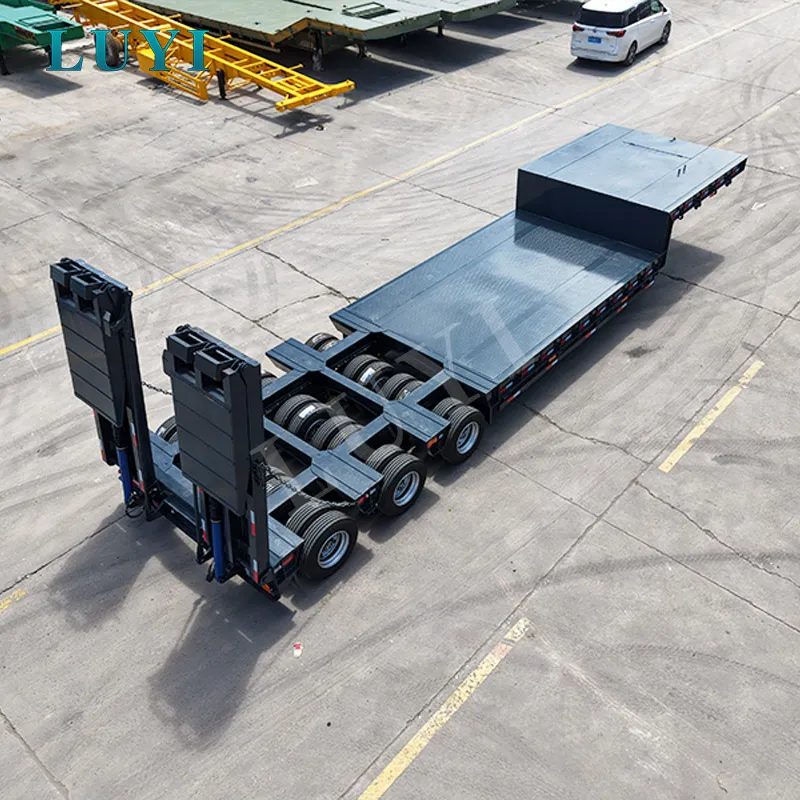

Anyone who hauls extra-large goods on flatbed trailers will tell you rollover risks don’t just come from fast driving—most accidents start with careless loading and flimsy load securing. I’ve spent years working alongside long-haul truckers and fleet managers, and I’ve seen dozens of avoidable incidents: sliding steel beams, tipped flatbeds on highway curves, and expensive cargo write-offs that all stem from basic securement mistakes. These mishaps bring steep fines from transport authorities, plus serious harm to drivers and other road users. This guide shares real, on-the-ground loading tricks I’ve watched seasoned haulers use day in and day out, all aligned with official heavy haul safety standards. Every tip comes from actual cross-country transport jobs, verified safety certifications and firsthand feedback from logistics partners, built to deliver genuine practical value instead of generic textbook advice.
Stable hauling starts with how you set cargo on the flatbed deck, long before you touch a single ratchet strap. Any oversized machine, steel frame or pipe bundle needs to sit centered along the trailer’s middle line to stop one-sided weight pull. Odd-shaped gear like large industrial generators needs quick side gap checks to keep matching space on both trailer rails; uneven weight on tires and axles makes trailers sway wildly when drivers take tight turns or swerve to avoid road hazards.
When stacking items vertically, keep all dense, heavy pieces low to the deck, then place lighter auxiliary parts on top—this simple step cuts the load’s center of gravity and drastically lowers tipping odds. For front-to-back weight distribution, place most heavy cargo forward of the main axle to hold steady tongue weight. Too much bulk stacked toward the trailer’s rear creates violent wobble at highway speeds, and this unstable movement is one of the top causes of side rollovers during hard braking or sudden steering shifts.
Wipe down all oil stains, metal shavings and grit off the flatbed surface before loading anything. Lay rubber anti-slip mats under all metal oversized loads to cut sliding hazards. Bare steel resting on steel has almost no friction, so heavy pipes and metal frames will slide forward or sideways the second a driver hits the brakes. Hardwood wedges and thick plastic chocks lock cargo in place at front, rear and side edges, limiting movement in every direction rather than leaving all holding work to straps and chains. Any cargo that sticks out past the trailer’s frame edges needs extra support bracing, as overhanging weight amplifies sideways tipping force far more than most amateur haulers realize.
Tie-down tools and how you fit them have to match the weight and length of whatever you’re hauling, following national highway transport rules. All ratchet straps and haul chains should have clear working load limit labels printed right on them, and the combined holding strength of all restraints has to hit at least half the full weight of your cargo. For loads longer than ten feet, fit two primary tie-downs for the first ten feet, then add one extra restraint for every extra ten feet or partial length beyond that mark.
Grade 70 transport chains hold up best for heavy solid industrial equipment, while wide polyester ratchet straps work better for bundled pipes and coated metal goods to stop scratches on finished surfaces. Slide hard plastic edge guards between restraints and sharp metal corners to stop straps fraying; worn straps lose their grip gradually over hundreds of highway miles, and many drivers only notice damage once their load starts shifting mid-transit. Try to mount tie-downs as close to vertical as you can manage—straps slanted wider than forty-five degrees lose well over half their effective holding power. Cross straps on left and right sides block side-to-side sliding, while wrap-around belly straps lock round oversized goods such as wind turbine tubing to stop vertical lifting when the trailer hits potholes or uneven pavement. Never twist webbing, and avoid looping restraints over trailer wiring, taillights or moving mechanical parts that can tear the straps loose.
Run a full pre-trip check over every piece of securement gear before pulling onto main roads. Toss out any frayed straps, cracked chain links or jammed binders that won’t tighten fully. After driving ten to fifteen miles on paved highways, pull into a rest stop and retighten every restraint. Constant road vibration and small bumps let cargo settle deeper into the deck, loosening straps even if you pulled them tight before departure. Snap photos of fully fastened loads and jot down quick inspection notes—these records prove you followed safety rules if transport officials pull you over for a roadside check.
Many haul crews skip simple trailer upkeep that quietly keeps oversized loads stable out on the road. Check tire pressure and tread depth once a week to avoid uneven ground contact; underinflated tires cut side stability sharply when drivers need to make quick steering adjustments. Double-check brake function, signal lights and cross-mounted safety chains to make sure everything works perfectly before every oversized haul run.
The securement methods laid out here have helped our logistics team wrap up more than four hundred cross-country heavy haul jobs without a single rollover or load loss incident. We ship industrial equipment to thirty-eight global trade destinations, and every loading and securing step sticks to international transport safety standards, with full passes from independent third-party mechanical testing labs. Our team also offers on-site securement training for fleet staff once deliveries finish, plus full damage coverage for goods harmed due to standard restraint equipment failure.
Safe oversized cargo transport on flatbed trailers hinges on balanced weight layout, rule-compliant restraint fitting and repeated roadside rechecks. Stopping rollovers means going beyond just hitting the minimum regulatory requirements, and building consistent, careful loading routines that counteract the natural shifting forces created by uneven pavement, high speeds and sharp turns. Master these straightforward securement habits, and you’ll cut accident rates, slash government penalty fees, and keep high-value cargo intact through every long-distance heavy haul trip you take.