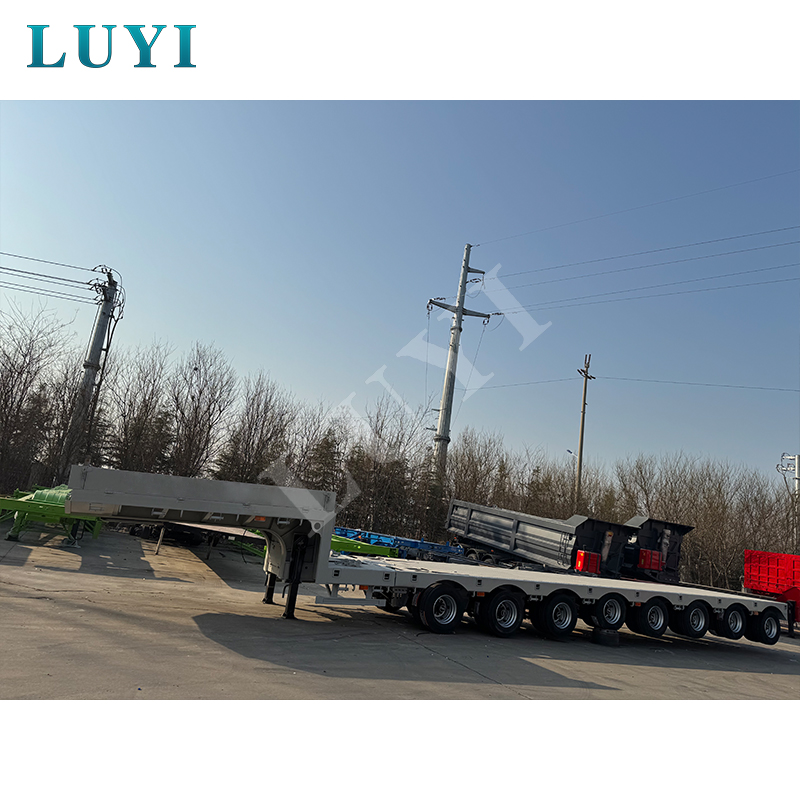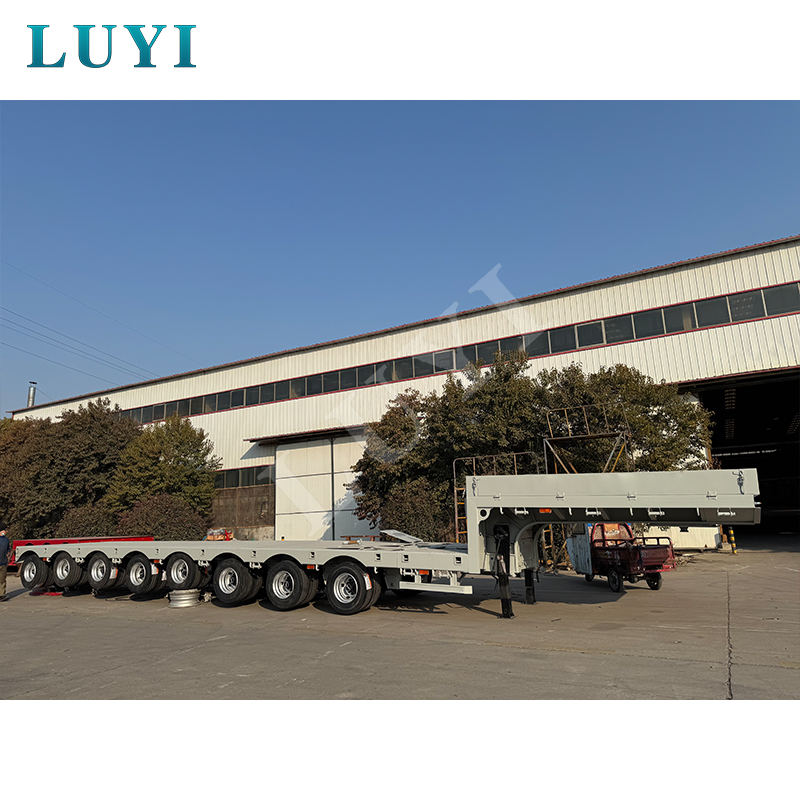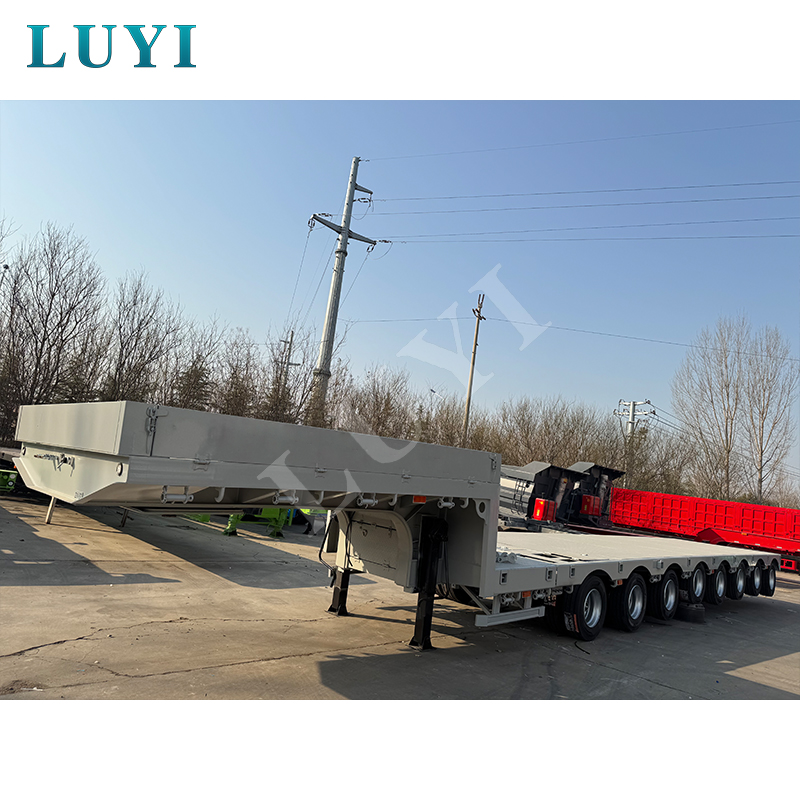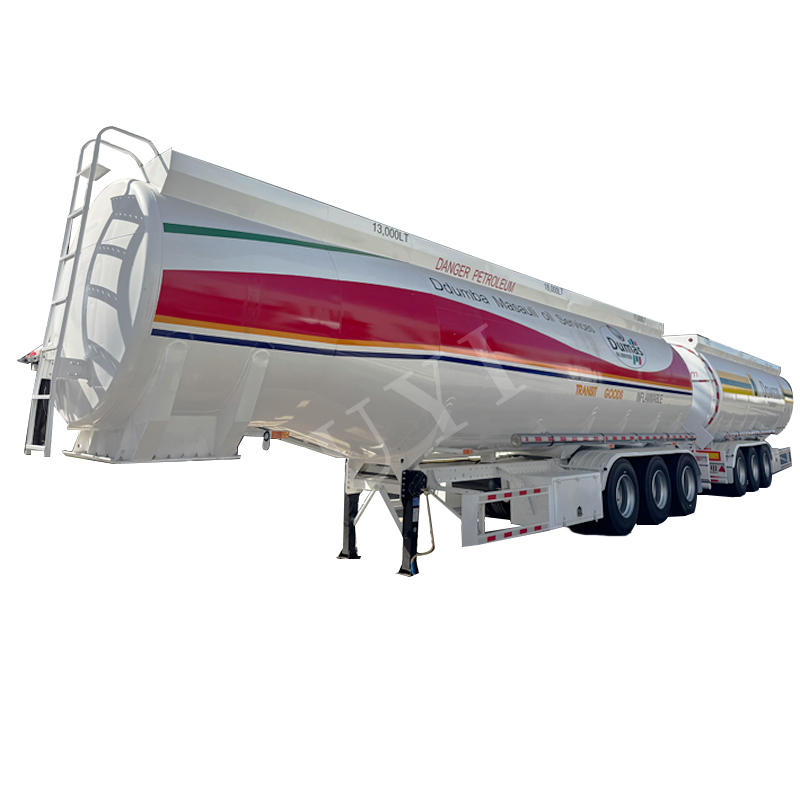

Choosing the right max load for a low-bed semi-trailer isn’t about picking the biggest number on the spec sheet. A smarter approach is to match real payload requirements to your routes, regulations, tractor capability, and long-term operating cost—so you stay safe, legal, and profitable. As the original guidance notes, start by confirming the exact cargo weight, keep a 10%–15% margin, and follow local load limits to avoid compliance risk.
If you overspec, you may waste budget on purchase price, fuel, and maintenance; if you underspec, you risk inability to haul and safety issues—both outcomes hurt operations. The core selection principle is: pick the capacity that fits your routine loads with a reasonable buffer, not the largest available.
First, confirm your cargo’s true operating weight (including attachments, pallets, chains, and any add-ons). Then keep a 10%–15% reserve margin to absorb measurement variance and real-world changes during loading. This prevents borderline overload and reduces wear.
Even if the trailer can physically carry more, legal gross weight and axle load limits often determine what you can actually move on public roads. Always verify your country/region’s limits and permitting requirements before finalizing capacity and axle configuration.
Your tractor’s pulling strength and driveline limits must align with the trailer’s rating. As the original text highlights, mismatch can either underutilize the tractor or accelerate wear and failures. A correct match improves stability, braking performance, and overall transport safety.
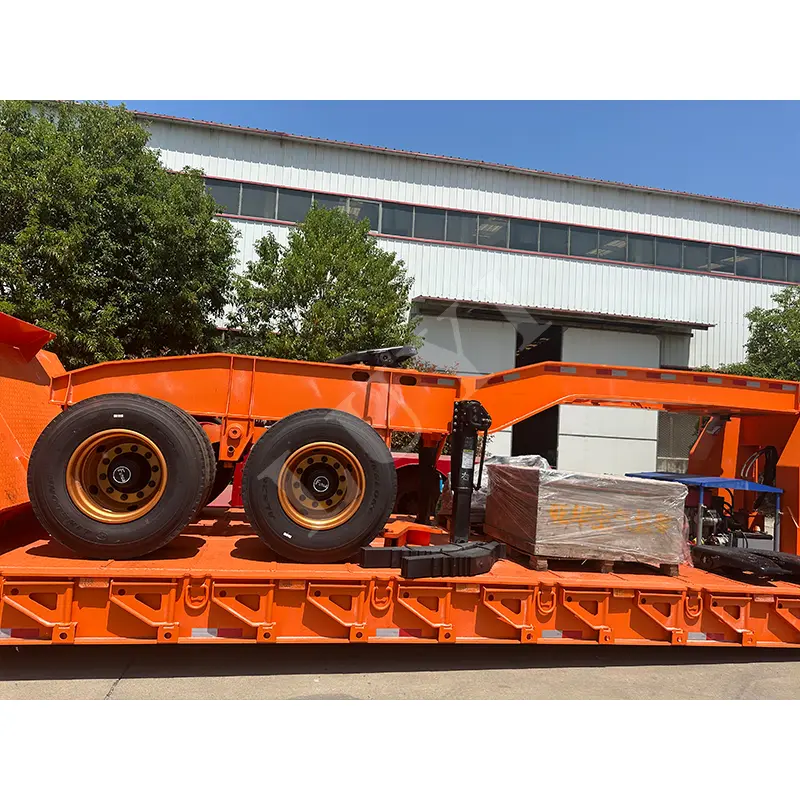
For large, irregular loads like excavators, rollers, or cranes, weight distribution can matter as much as total weight. Ensure the deck design and axle layout can support the load evenly to avoid concentrated stress points and premature structural fatigue.
If your routes include rough, unpaved, or jobsite roads, the same payload causes higher dynamic stress. The source guidance recommends considering a slightly higher load rating and strengthened axles for these conditions to reduce breakdowns and downtime.
Heavier-rated trailers often cost more to operate: more fuel consumption, higher tire/brake wear, and more expensive maintenance. If your business runs a stable cargo profile, selecting a right-sized capacity with a small buffer helps keep cost under control without sacrificing capability.
If your operation may expand into heavier projects soon, selecting a trailer that carries slightly more than today’s needs can reduce future reinvestment. The key is “moderate headroom,” not extreme oversizing.
If you need professional guidance on capacity, axle setup, and application matching, our team can help you select a configuration that fits your route compliance and cargo profile. Explore Lowbed / Low Plate Semi Trailer solutions, or browse more categories via Semi Trailer.
Send us your cargo weight range, route conditions, and tractor model. We’ll recommend the right load capacity, axle configuration, and key options. Contact us here: Contact Us. For manufacturing transparency, you can also view our Factory and Service support pages.