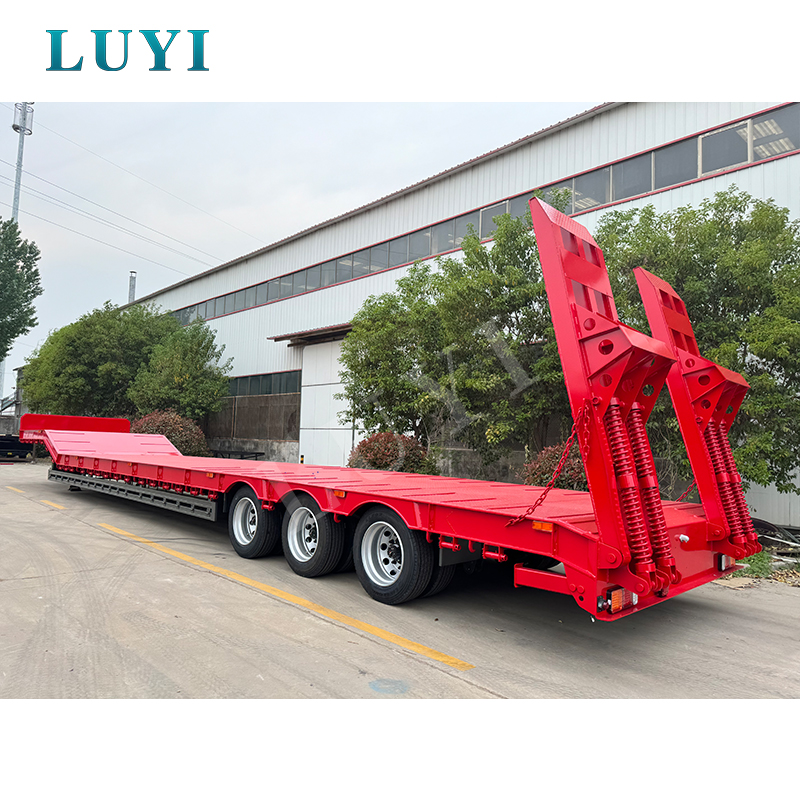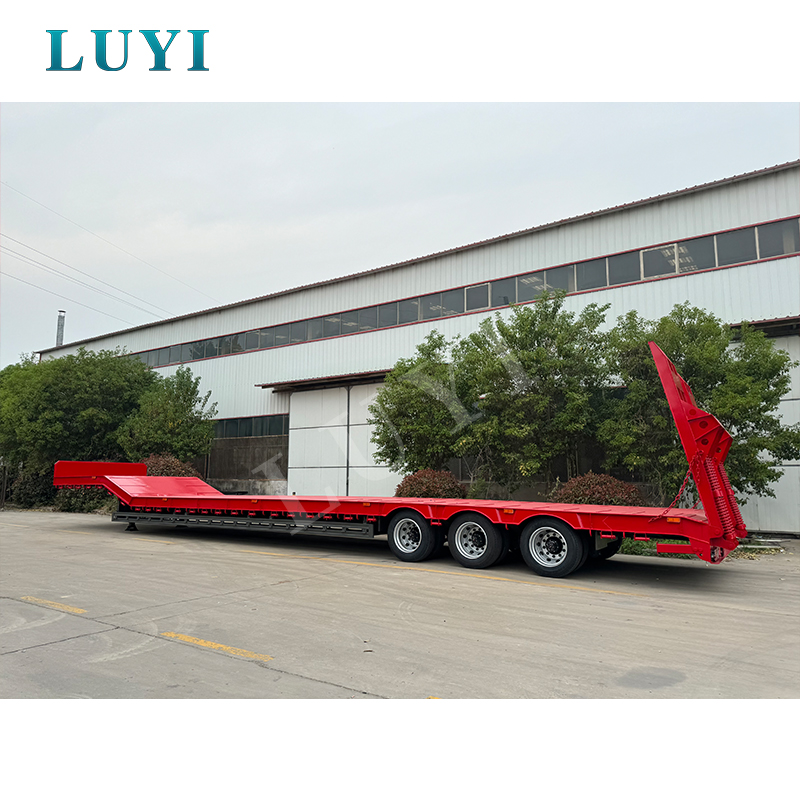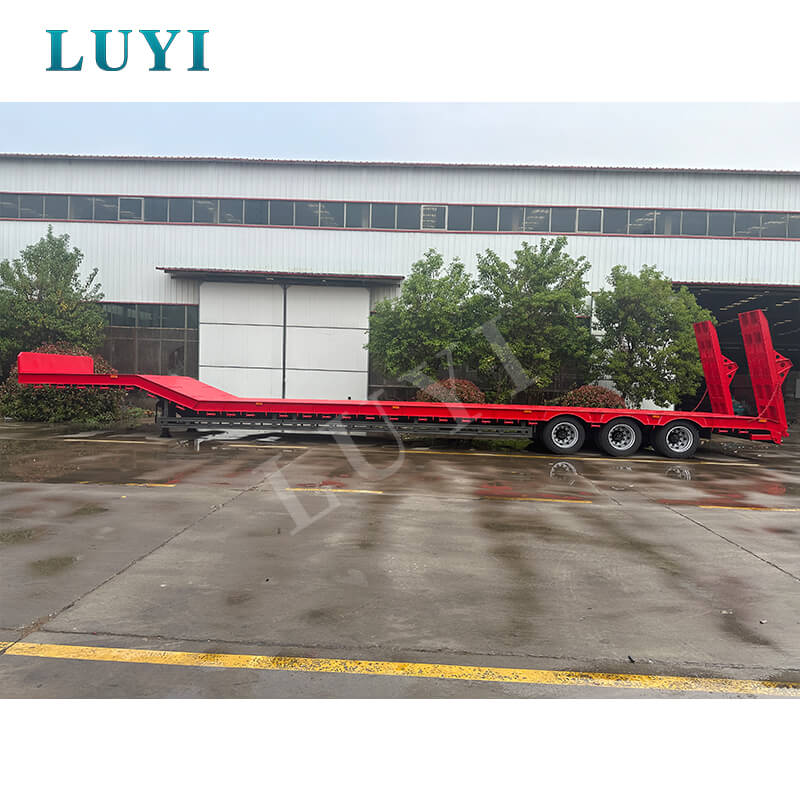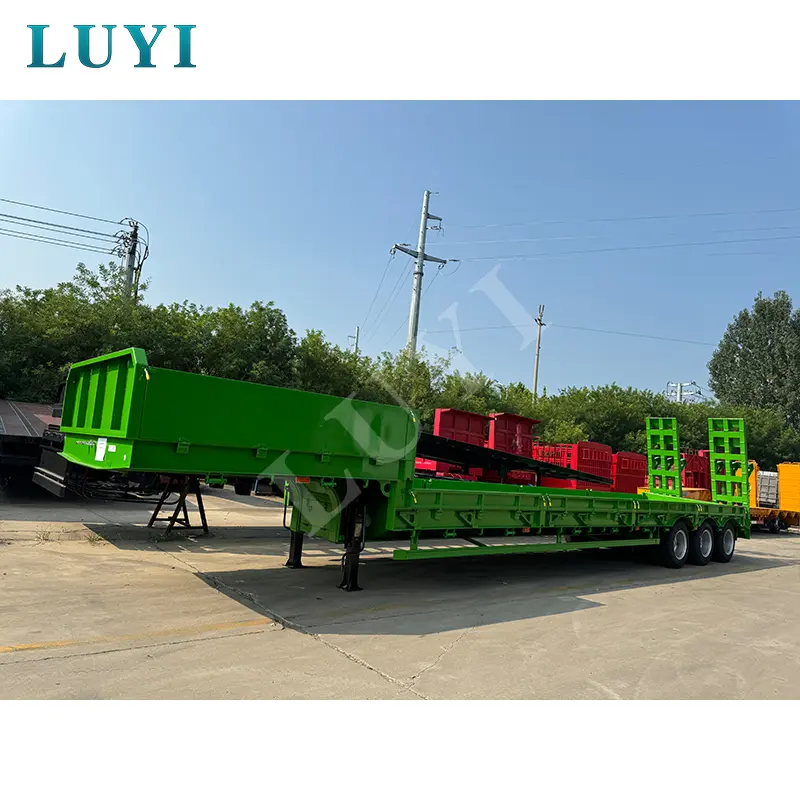

For buyers involved in construction, mining, infrastructure, oilfield logistics or industrial machinery relocation, choosing the right heavy-haul trailer is not only a matter of payload. It affects loading safety, route compliance, equipment protection, operating cost and project delivery schedules. A 3 axle detachable gooseneck trailer is one of the most practical solutions when self-propelled machinery needs to be loaded from the front without relying on long rear ramps or extra cranes.
Also known in many markets as a removable gooseneck trailer, detachable neck lowboy trailer or RGN trailer, this trailer type combines a low deck height, hydraulic front detachment system and reinforced axle configuration to move heavy machinery with better stability. For international buyers, the key is not simply asking for “a 3 axle trailer,” but matching the trailer structure to the cargo weight, equipment height, road condition, tractor unit and local transport regulations.
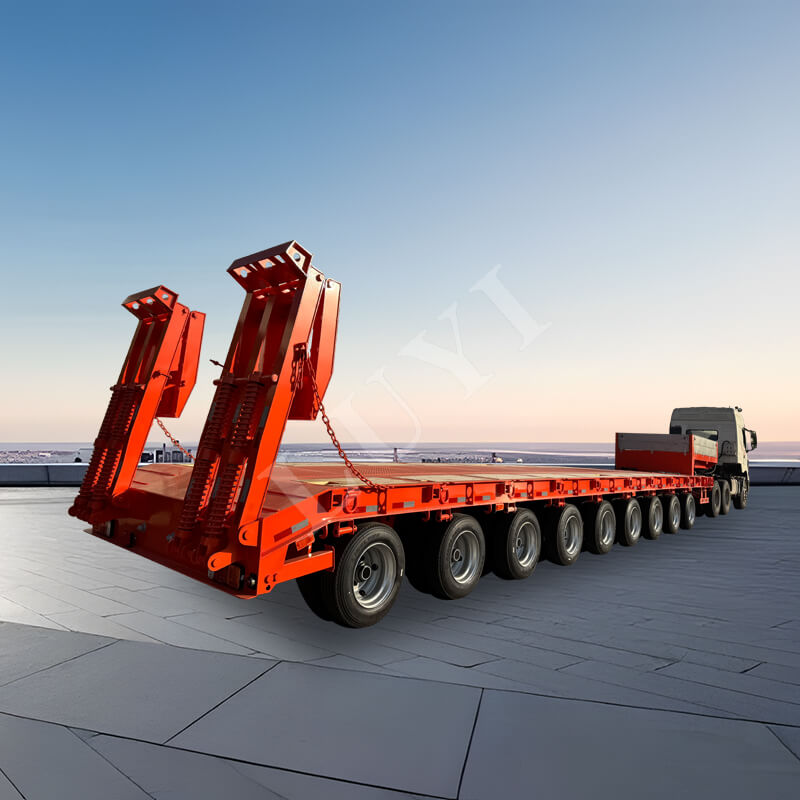
A 3 axle detachable gooseneck trailer is a heavy-duty lowbed or lowboy trailer with a front gooseneck that can be hydraulically detached from the main loading platform. Once the gooseneck is removed, the front of the trailer bed can be lowered close to the ground, allowing excavators, bulldozers, loaders, crawler machines and other self-propelled equipment to drive directly onto the deck.
Compared with a standard lowbed semi trailer, the detachable gooseneck design reduces dependence on rear ramps and creates a lower, safer loading angle. Compared with a regular flatbed or high-bed trailer, it provides a lower center of gravity, which is especially important when transporting tall or heavy machinery over long distances or rough roads.
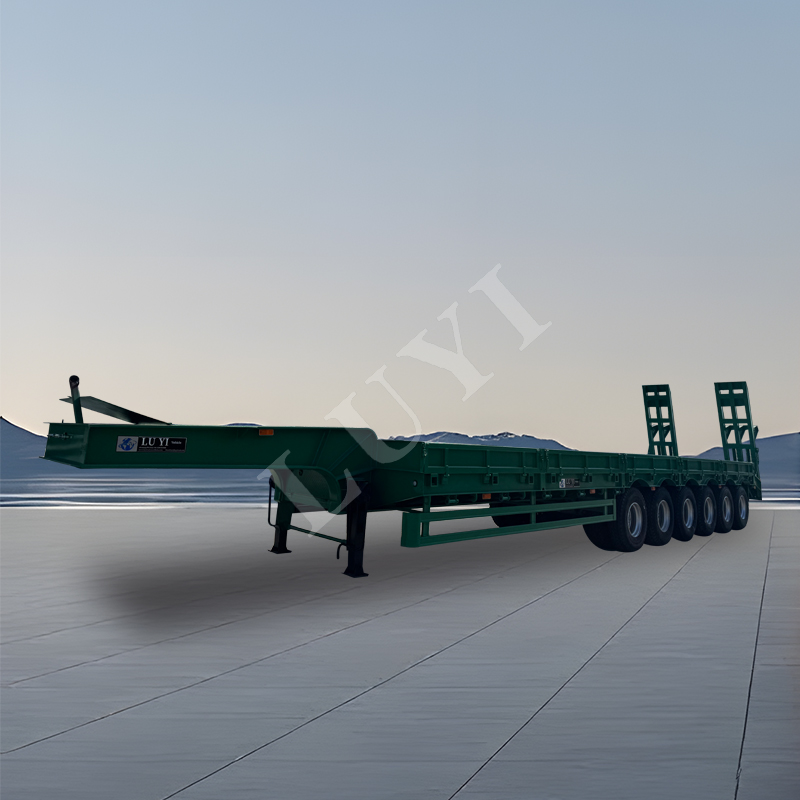
In Luyi Auto’s heavy-haul trailer configurations, the three-axle layout is commonly selected for medium to heavy machinery transport where buyers need a balance between load capacity, maneuverability, export cost and road adaptability. Heavier projects can be upgraded to multi-axle versions such as a 5 axle lowbed gooseneck carrier or reinforced heavy-duty lowbed solution.
A detachable gooseneck trailer is most valuable when the cargo is heavy, tall, tracked, wheeled or difficult to load by crane. It is widely used by contractors, rental equipment fleets, mining companies, road construction teams, energy project logistics companies and machinery dealers.
Construction contractors often use a 3 axle detachable gooseneck trailer to transport excavators, bulldozers, wheel loaders, road rollers, cranes and drilling rigs between job sites. The front-loading design helps reduce loading time, especially on sites where mobile cranes are unavailable or expensive to arrange. For buyers moving mixed construction equipment, Luyi Auto can also recommend suitable configurations from its broader semi trailer lineup.
Mining sites usually involve rough access roads, dust, uneven ground and frequent heavy-duty operation. A reinforced detachable gooseneck lowbed trailer helps move drilling equipment, small mining trucks, crushers, generators and earthmoving machines with better structural stability. In these conditions, buyers should pay close attention to frame reinforcement, axle load, suspension type, tire specification and spare parts availability.
Oilfield and energy projects often require transportation of pumps, pipeline equipment, compressors, drilling components and heavy project cargo. Because these cargoes may be tall or irregular in shape, the low loading platform helps reduce overall transport height and improve route clearance. For heavy-duty requirements, buyers can compare a standard 3 axle model with a heavy duty gooseneck lowbed trailer based on route conditions and payload margin.
Infrastructure contractors and industrial logistics companies use detachable gooseneck trailers to move precast components, bridge construction equipment, transformers, generators, factory machinery and oversized steel structures. In these projects, trailer selection should consider not only rated payload, but also deck length, deck height, loading angle, tie-down layout and escort permit requirements.
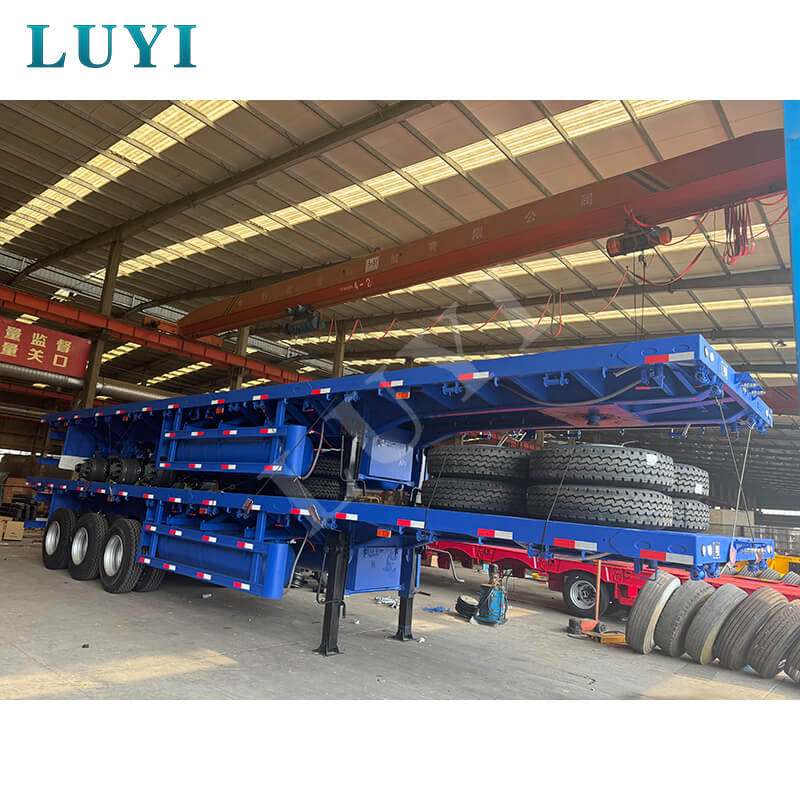
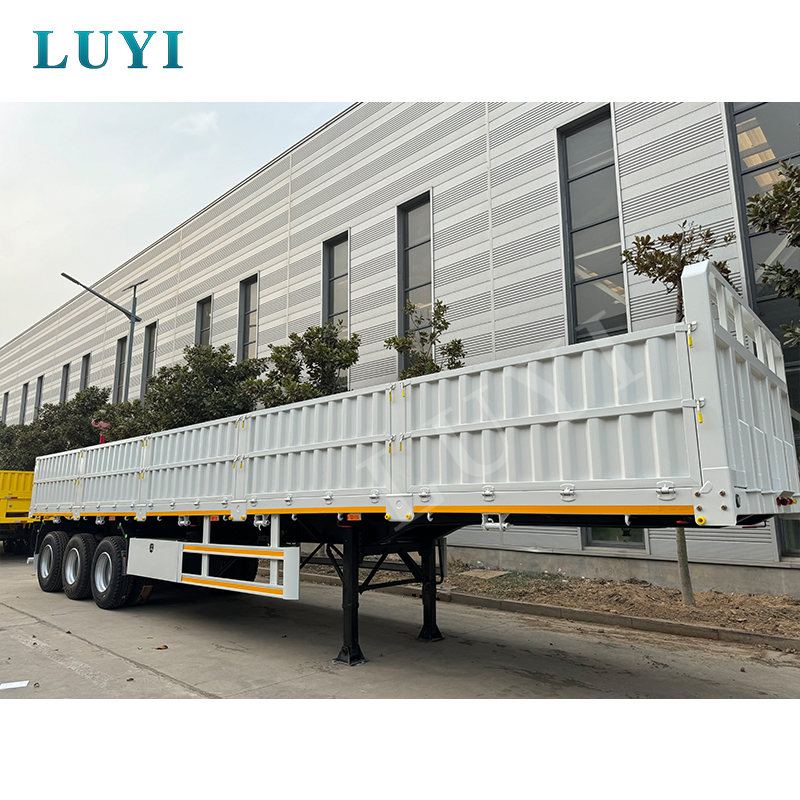
Large tractors, harvesters, forestry machines and other agricultural equipment often need a stable low-deck trailer for rural roads and long-distance relocation. A detachable gooseneck design makes loading easier where professional lifting equipment is limited. If the equipment is lighter and does not require front-loading, buyers may also compare with a flatbed semi trailer for general machinery and container transport.
The following specifications are typical reference ranges. Final dimensions and configuration should be confirmed according to cargo weight, machine size, tractor model, destination country regulations and shipping method.
| Item | Typical Specification | Buyer Notes |
|---|---|---|
| Trailer Type | 3 Axle Detachable Gooseneck Lowbed / Lowboy Trailer | Also called removable gooseneck trailer or RGN trailer in some markets. |
| Payload Capacity | 40–80 tons, customizable to heavier-duty designs | Select payload with a safety margin instead of matching only the current cargo weight. |
| Axle Configuration | 3 axles, commonly 13T–16T per axle depending on brand and market | Axle load must match local legal limits and route requirements. |
| Gooseneck System | Hydraulic detachable gooseneck | Check hydraulic power source, locking mechanism and operator convenience. |
| Deck Length | Customizable according to cargo length | Longer decks are useful for excavators, drilling rigs and industrial equipment. |
| Deck Width | Commonly around 3,000 mm, customizable | Oversized width may require permits depending on the destination market. |
| Deck Height | Low platform design, customizable by tire, suspension and frame structure | A lower deck helps reduce overall transport height and improve stability. |
| Main Beam | High-strength steel reinforced structure | Critical for long-term resistance to bending, twisting and fatigue. |
| Suspension | Mechanical suspension standard, air suspension optional | Mechanical suspension is robust for rough sites; air suspension improves highway comfort. |
| Braking System | Dual-line air brake, ABS optional or required by market | Brake configuration should match export destination requirements. |
| King Pin | 2.0 inch or 3.5 inch depending on tractor and load requirement | Confirm compatibility with the buyer’s tractor unit before production. |
| Lighting | LED lights, export-ready electrical system | Voltage and connector type should be confirmed for the destination market. |
The best trailer configuration depends on the buyer’s actual work scenario. A trailer used for highway machinery relocation may require a different suspension, braking and lighting setup than one used on mining roads or remote construction sites.
Buyers should provide the machine model, operating weight, length, width, height, track width and center of gravity. For example, an excavator with a long boom may require different support points and deck length than a compact bulldozer with the same weight. Luyi Auto recommends keeping a reasonable payload margin for future jobs instead of designing the trailer only around one current cargo type.
Heavy-haul regulations differ by country and region. Axle load, overall width, total length, lighting, brake system and escort requirements may all affect the final configuration. Buyers should confirm legal transport limits before placing an order. For additional selection logic, buyers can refer to Luyi Auto’s lowbed semi trailer load capacity guide.
A detachable gooseneck trailer must be matched with the buyer’s tractor unit. Key factors include fifth wheel height, king pin size, towing capacity, hydraulic or PTO compatibility, brake connector and electrical connector. Buyers who need a complete tractor-trailer combination can also review Luyi Auto’s truck tractor solutions.
Mechanical suspension is commonly selected for rough roads, mines and construction sites because of its durability and easier maintenance. Air suspension is more suitable for long-distance highway transport where ride comfort and cargo protection are important. For export markets with stricter safety requirements, ABS or EBS options should be confirmed before production.
The hydraulic detachable gooseneck is the core of the trailer. Buyers should confirm the gooseneck locking structure, hydraulic cylinder specification, power source, operation time, safety interlock and maintenance access. A reliable detachable system improves loading efficiency and reduces operational risk during repeated machinery transport.
Deck thickness, anti-slip plate, tire recesses, outriggers, widening brackets, tie-down rings and support points should be planned before manufacturing. Retrofitting major deck changes after delivery usually costs more than integrating them during production.
As a semi trailer manufacturer, Luyi Auto can adjust detachable gooseneck trailer specifications according to payload, cargo size, operating environment and destination market. Common customization options include:
Heavy-haul buyers need more than a basic quotation. They need a trailer configuration that matches real machines, real roads and real operating conditions. Luyi Auto supports overseas buyers by reviewing cargo dimensions, payload requirements, road conditions, tractor compatibility and destination market needs before recommending a suitable solution.
Luyi Auto has existing product pages and project references for detachable gooseneck and lowbed trailer applications, including gooseneck low-bed semi-trailer configurations and real delivery cases such as detachable hydraulic gooseneck lowboy trailers delivered to Suriname and a Saudi lowboy trailer factory visit case study. These references help buyers evaluate not only product structure, but also communication, customization and export delivery capability.
A detachable gooseneck trailer allows the front gooseneck to be removed so machinery can drive onto the trailer from the front. A standard lowboy trailer usually relies on rear ramps. The detachable design provides a lower loading angle and is often safer for heavy tracked equipment.
Common configurations are often designed for approximately 40–80 tons, depending on axle specification, frame structure, suspension and local road regulations. Heavier capacities can be customized with reinforced design and additional engineering review.
Yes. It is widely used for excavators, bulldozers, loaders, crawler machinery, drilling equipment and other heavy machines that benefit from front loading and a lower transport height.
Operation time depends on the hydraulic system, operator experience and site conditions. In normal use, a hydraulic detachable gooseneck can usually be connected or disconnected efficiently during loading operations.
Yes. Buyers can send cargo dimensions, payload, road conditions, tractor model and destination country requirements. Luyi Auto can recommend axle, suspension, brake, lighting, deck and hydraulic configurations based on the actual transport scenario.
To receive a more accurate recommendation, provide cargo type, machine weight, cargo dimensions, road condition, required payload margin, tractor model, target destination country and expected quantity. You can submit these details through the Luyi Auto inquiry page.
A 3 axle detachable gooseneck trailer is a practical heavy-haul solution for buyers who need safer front loading, lower deck height and stronger stability when moving heavy machinery. The right choice depends on more than payload capacity. Cargo size, axle load, deck height, hydraulic gooseneck design, suspension, braking system, tractor compatibility and local transport rules should all be evaluated before production.
If you are planning to transport excavators, bulldozers, drilling rigs, mining equipment or industrial machinery, Luyi Auto can help you compare trailer configurations and prepare a custom heavy-haul solution based on your actual project requirements. Send your trailer requirements to Luyi Auto to get a configuration-based quotation.