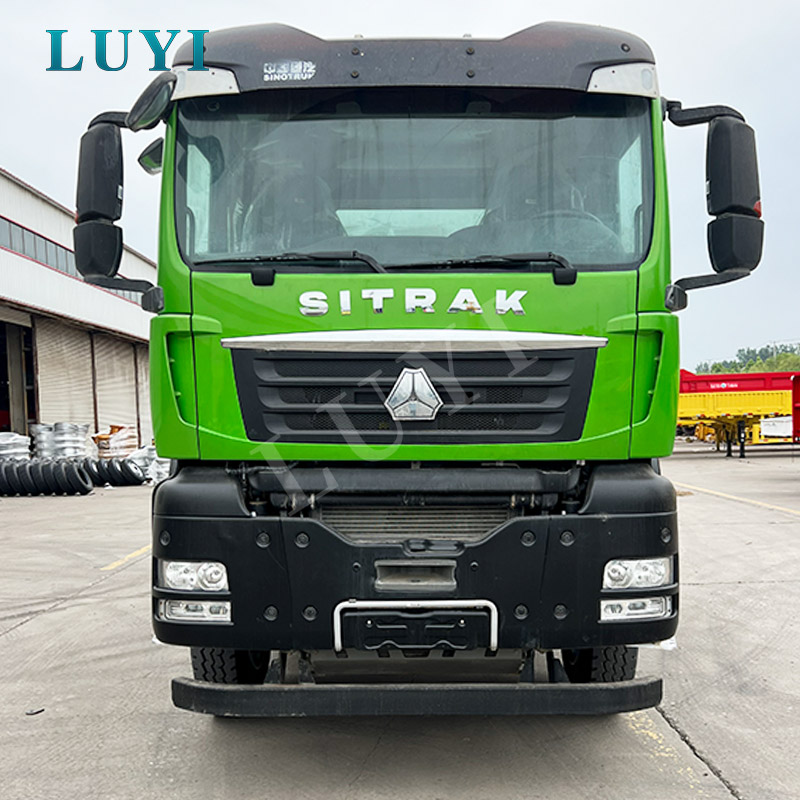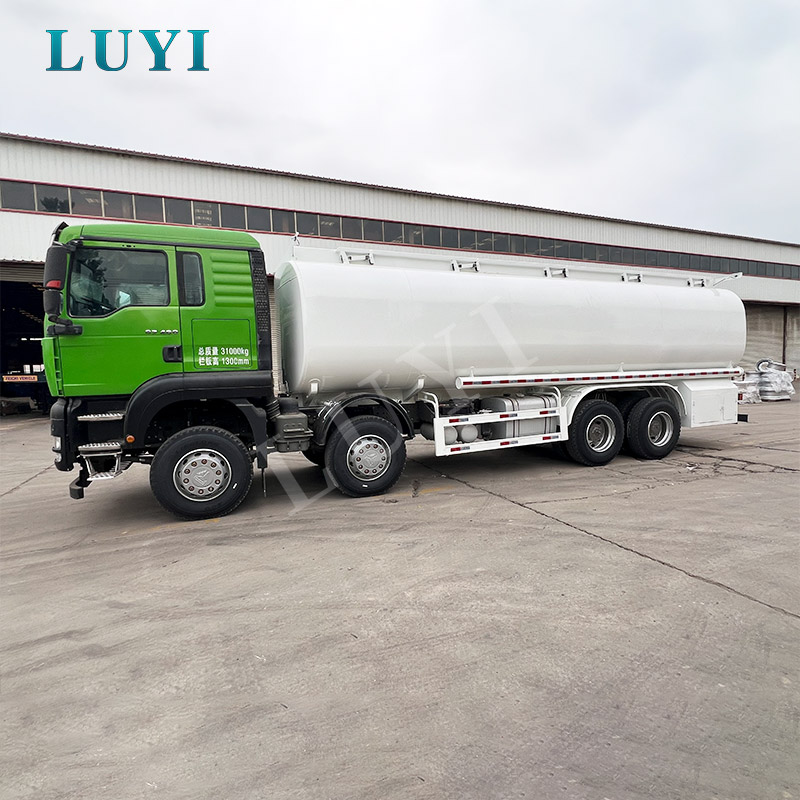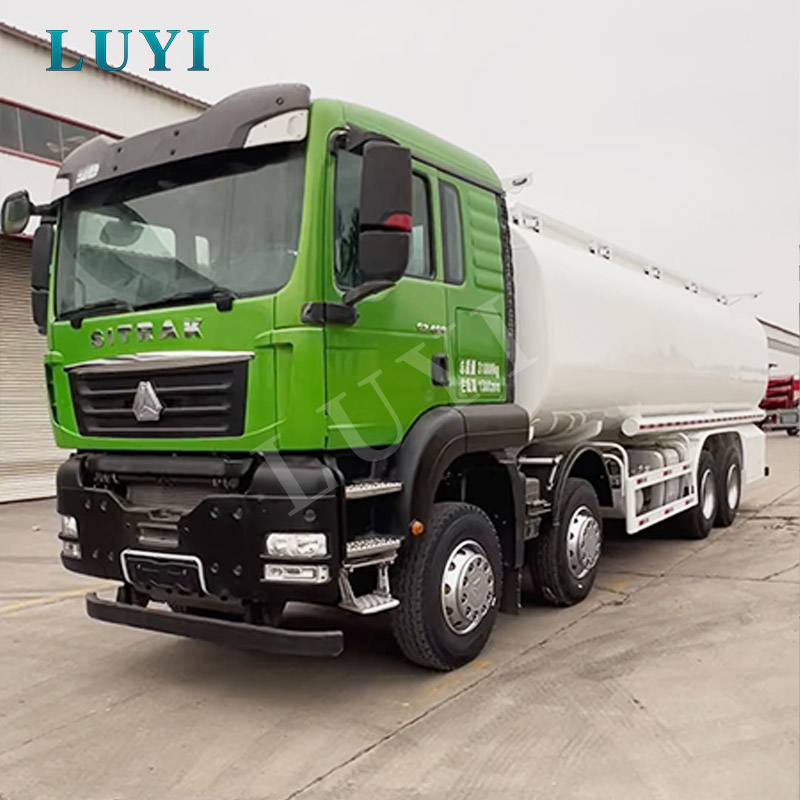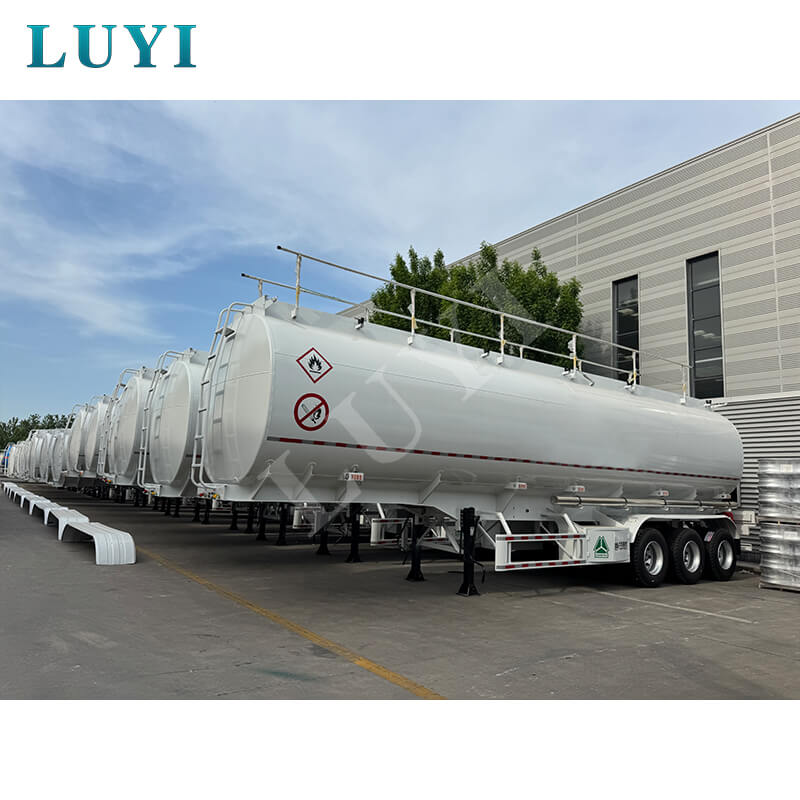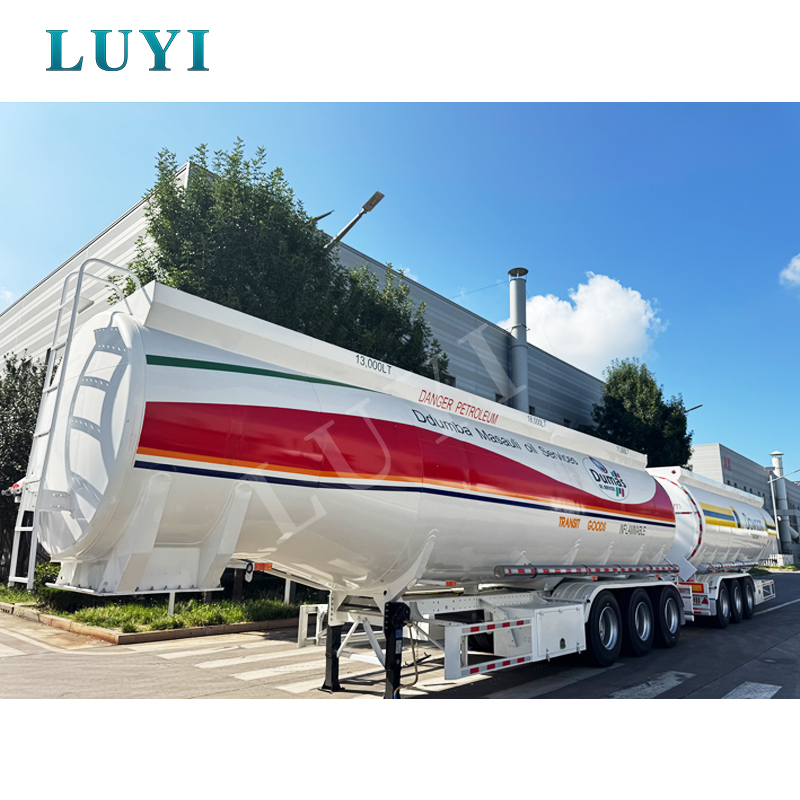

For fuel distributors, construction contractors, mining operators, logistics fleets and industrial project owners, a fuel tanker truck is not just a tank mounted on a chassis. It is a working vehicle that must carry fuel safely, unload or refuel efficiently, meet local road and fuel transport rules, and remain reliable during high-frequency operation.
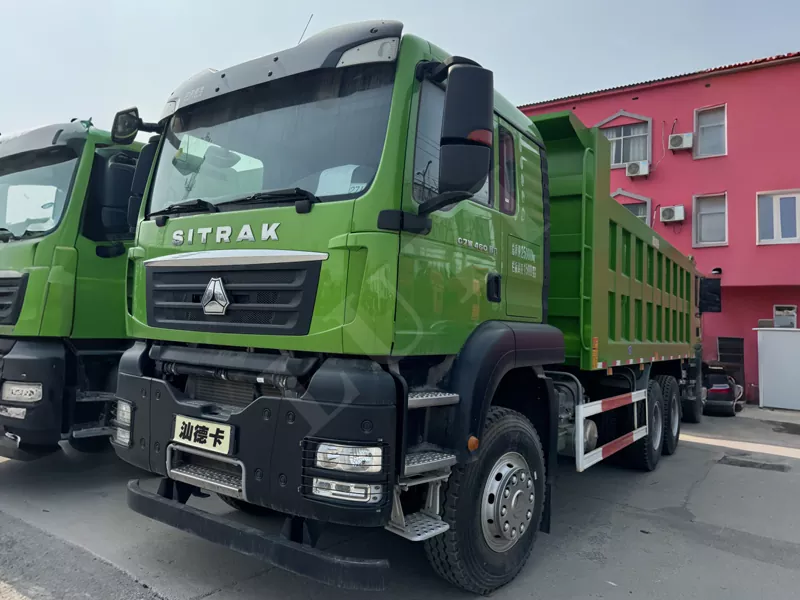
The Sinotruk SITRAK 8×4 30000L carbon steel fuel tanker truck is built for buyers who need a practical balance between tank capacity, chassis strength, refueling function, safety configuration and long-term operating cost. Instead of choosing only by tank volume or price, procurement teams should evaluate how the chassis, tank material, compartment layout, pump system, fuel dispenser and export configuration match the real working route.
A Sinotruk SITRAK 8×4 30000L fuel tanker truck is a heavy-duty tanker vehicle designed for transporting and dispensing conventional oil products such as diesel and gasoline. The 8×4 four-axle chassis provides a stable load-bearing platform, while the 30000L carbon steel tank supports medium-to-large fuel distribution tasks in regional logistics, construction projects and remote operating sites.
Unlike a transport-only fuel tanker, this model can be configured as a fuel bowser with oil pump, fuel dispenser, hose reel and self-sealing fuel nozzle. This allows the vehicle to deliver fuel directly to excavators, loaders, generators, trucks, agricultural machinery and other working equipment. Buyers can review the dedicated Sinotruk SITRAK 8×4 30000L fuel tanker truck page for the product-level configuration reference.
For buyers comparing different chassis platforms and vehicle types, Luyi Auto also provides a broader Sinotruk truck category and tanker semi trailer solutions for larger-capacity long-distance liquid transport.
The practical value of a 30000L fuel tanker truck becomes clear in projects where fixed fuel stations are unavailable, far away or unable to support daily equipment demand. In these situations, mobile fuel supply can reduce downtime and improve fleet scheduling flexibility.
For energy-sector buyers, project references under Luyi Auto’s Energy & Chemical tanker solutions page can help connect tanker configuration decisions with real fuel transport and hazardous liquid operation requirements.
The 8×4 chassis is selected because fuel transport requires more than engine power. Liquid cargo moves inside the tank during braking, turning and rough-road driving. A four-axle chassis helps distribute load more evenly, supports stable full-load operation and provides a stronger base for the tank, pump system, safety accessories and refueling equipment.
For buyers operating on mixed routes—highway, industrial road, mining access road, construction site entrance and unpaved project road—the chassis should be evaluated together with tire type, suspension, braking system, frame structure and axle capacity. A low-cost chassis may reduce initial purchase cost, but it can increase maintenance pressure if the vehicle works under heavy daily refueling cycles.
Final specifications should be confirmed based on destination country, fuel type, local regulations, emission requirements, road conditions and refueling method. The table below summarizes key specification points for procurement evaluation.
| Item | Typical Configuration Direction | Buyer Evaluation Point |
|---|---|---|
| Vehicle Type | Sinotruk SITRAK 8×4 fuel tanker truck / fuel bowser | Suitable for fuel transportation and on-site refueling tasks. |
| Tank Capacity | 30000L / 30m³ | Match fuel density, legal payload, route distance and daily consumption. |
| Tank Material | Q235 carbon steel for diesel and gasoline transport | Practical choice for durability, repairability and cost control. |
| Drive Type | 8×4 four-axle heavy-duty chassis | Supports better load distribution and stable operation under full load. |
| Compartment Layout | Single, 2-compartment or 3-compartment design available | Useful when transporting different fuel grades in one trip. |
| Anti-Wave Baffles | Internal baffle structure inside the tank | Helps reduce liquid surge during braking, turning and uneven-road driving. |
| Oil Pump | Fuel-resistant self-priming pump or customized pump system | Affects discharge speed, refueling efficiency and daily operation time. |
| Fuel Dispenser | On-board metering and dispensing system optional | Important for fleet refueling, fuel accounting and controlled delivery. |
| Safety Accessories | Fire extinguisher, emergency cut-off, static grounding, overfill protection | Must be checked against local fuel transport and road safety rules. |
| Export Configuration | Lighting, warning signs, reflective markings, voltage and emission options | Should be confirmed before production to avoid registration or inspection problems. |
A 30000L tanker truck is suitable for medium-to-large fuel delivery where buyers need enough volume for daily routes but still require vehicle flexibility. For urban fuel replenishment, factory supply and construction site refueling, 30000L can be more practical than a larger semi-trailer if access roads, turning space or unloading points are limited.
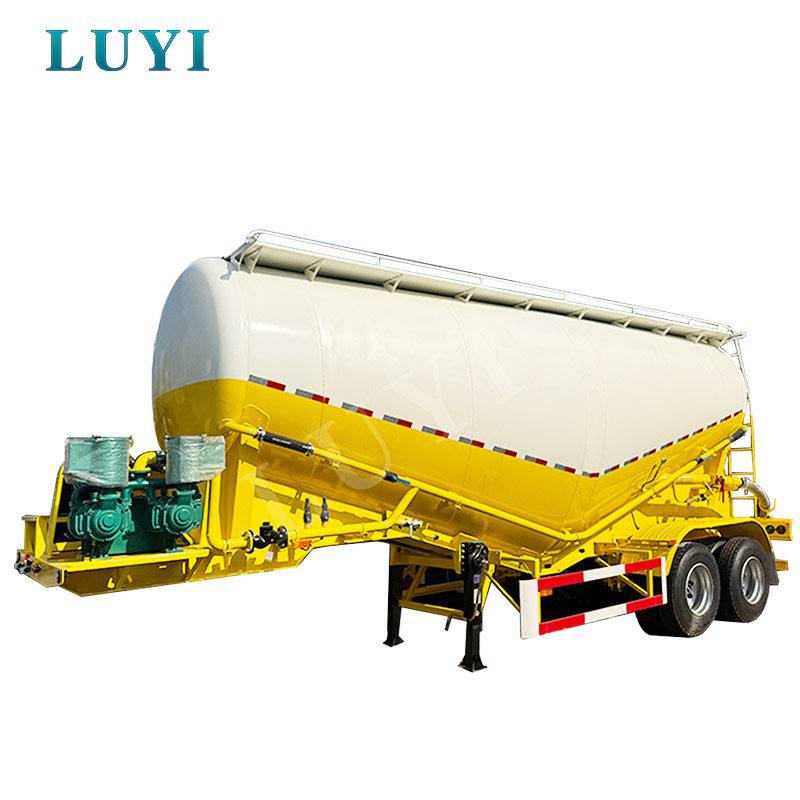
For buyers mainly doing long-distance depot-to-depot delivery, a higher-capacity semi-trailer may be more efficient. In that case, models such as the 54,000L oil fuel tanker semi-trailer can be compared with tanker truck options before final procurement.
Q235 carbon steel is commonly used for diesel and gasoline tanker trucks because it offers a practical combination of strength, durability and cost control. For conventional fuel distribution, it is easier to maintain and repair in many overseas markets. However, if the buyer needs to transport more corrosive liquids, edible liquids or special chemicals, stainless steel or aluminum alloy options should be discussed separately.
A compartmentalized tank can separate diesel, gasoline or different fuel grades in one trip. This is useful for buyers serving multiple customers along a route or operating projects where different machines require different fuel products. Before choosing compartments, buyers should confirm required volume per compartment, loading sequence, discharge layout and metering method.
The oil pump, flow meter, dispenser, hose reel and nozzle determine how efficiently the vehicle works on site. A weak pump may slow down refueling and create waiting time for machinery. A poorly selected metering system can also create accounting problems for fleet operators. For project-based refueling, these components should be selected according to daily refueling volume, hose distance and fuel management requirements.
Fuel transport is regulated in most markets. Buyers should check requirements for vehicle registration, hazardous goods transport, driver qualification, fire safety equipment, anti-static devices, signage, emission level, tank testing and road operation. Luyi Auto can support configuration discussion through its custom trailer and truck service process before production.
Procurement note: A fuel tanker truck should be selected by working route, fuel type, local compliance, refueling method and maintenance capability—not by tank capacity alone.
For fuel tanker trucks, quality control should focus on tank sealing, welding consistency, anti-corrosion treatment, baffle installation, pipeline connection, pump testing, dispenser installation, braking system, electrical system and safety accessory placement. These are the areas that directly affect safe operation and long-term service reliability.
Before delivery, buyers should confirm whether the tank has undergone pressure or leakage inspection, whether internal baffles are properly arranged, whether valves and pipelines are firmly installed, and whether the refueling system has been tested. Luyi Auto’s semi-trailer and special vehicle manufacturing factory page can help buyers understand the production environment and manufacturing capability behind export orders.
For overseas delivery, the vehicle should also be prepared for sea shipment. Anti-rust protection, accessory packing, document preparation, spare parts fixing and loading inspection all reduce the risk of damage or missing components after arrival.
Fuel transportation requires stricter safety awareness than general cargo transport. A practical tanker truck configuration should include suitable emergency control, anti-static protection, fire prevention equipment and safe discharge components. Depending on destination regulations and buyer requirements, the vehicle can be equipped with:
Because fuel transport regulations vary across countries, final compliance should be checked with local authorities, import agents or transport operators before production. Luyi Auto can adjust configuration according to the destination market and buyer operating environment.
Different buyers use fuel tanker trucks in different ways. A construction contractor may need mobile refueling for excavators and generators. A fuel distributor may need compartment separation and accurate metering. A mining project may need stronger tires, chassis protection and easier field maintenance. Luyi Auto can customize the tanker truck according to these practical operating differences.
For smaller-capacity or more specialized fuel transport requirements, buyers can also compare the 2-axle 26000L 5-compartment carbon steel petrol oil tanker trailer and the HOWO 6×4 oil tank semi-trailer before choosing the final vehicle type.
International buyers need more than a finished vehicle. They need configuration confirmation, production follow-up, pre-shipment inspection, documentation, sea freight coordination and after-sales communication. This is especially important for fuel transport vehicles because missing accessories, incompatible safety parts or unclear compliance requirements can delay registration and operation after arrival.
Luyi Auto supports export-oriented tanker projects from requirement discussion to delivery coordination. Fuel transport buyers can also review real project references such as the Mozambique fuel tanker energy logistics case study and the Oman fuel tanker truck delivery case to understand how tanker solutions are matched with regional fuel supply needs.
To receive a useful quotation, buyers should avoid sending only “price for 30000L fuel tanker truck.” A correct configuration depends on fuel type, route, local law and refueling method. Before contacting the factory, prepare the following information:
With these details, Luyi Auto can recommend a configuration that fits the buyer’s real transport task instead of offering a generic tanker truck that may not match local working conditions.
It is mainly designed for conventional oil products such as diesel and gasoline. If the buyer needs to transport other liquids, the liquid name, density, corrosiveness and operating temperature should be provided before material selection.
Yes. Q235 carbon steel is a practical choice for many diesel and gasoline transport applications because it offers strength, durability and manageable cost. For special liquids or stricter corrosion requirements, other tank materials should be evaluated.
Yes. The tank can be designed with multiple compartments to transport different fuel grades separately. Buyers should confirm required volume per compartment, discharge method and metering requirements before production.
A fuel tanker truck is more flexible for mobile refueling, construction site supply, mining support and short-to-medium distance delivery. A fuel tanker semi-trailer usually provides larger capacity for long-distance bulk fuel distribution. The better choice depends on route distance, volume demand, access conditions and local vehicle rules.
Yes. Luyi Auto can discuss chassis emission level, driving side, lighting, braking system, warning markings, safety accessories, tank structure, pump system and documentation according to the destination market.
Regular maintenance should include tank sealing inspection, valve and pipeline checks, pump testing, dispenser calibration, brake inspection, tire inspection, anti-static device check and anti-corrosion surface maintenance. Operators should also follow local fuel transport safety rules.
If you are planning to purchase a Sinotruk SITRAK 8×4 30000L fuel tanker truck for diesel delivery, gasoline distribution, construction site refueling, mining fuel supply or industrial fleet operation, send your fuel type, destination country, road condition, tank compartment needs and refueling method to Luyi Auto.
Send your fuel tanker truck requirements or contact Luyi Auto for a configuration-based factory quotation.