
For mining contractors, quarry operators, infrastructure fleets and bulk material transport companies, choosing a five-axle rear dump semi-trailer is not only a question of payload. The real decision involves axle-load regulations, cargo density, unloading frequency, road conditions, hydraulic stability, body wear resistance and long-term maintenance cost.
A five-axle end dump trailer is designed to move heavier bulk materials with better weight distribution than a conventional 3-axle or 4-axle dump trailer. When configured correctly, it can help fleets reduce the number of trips, improve site unloading efficiency and keep transport operations more stable on demanding mining and construction roads.
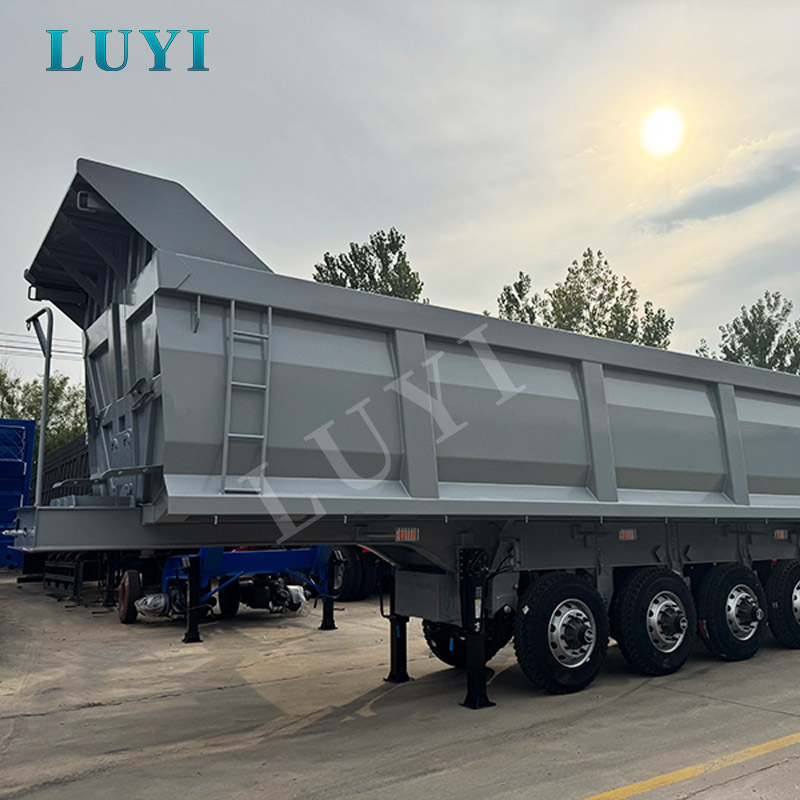
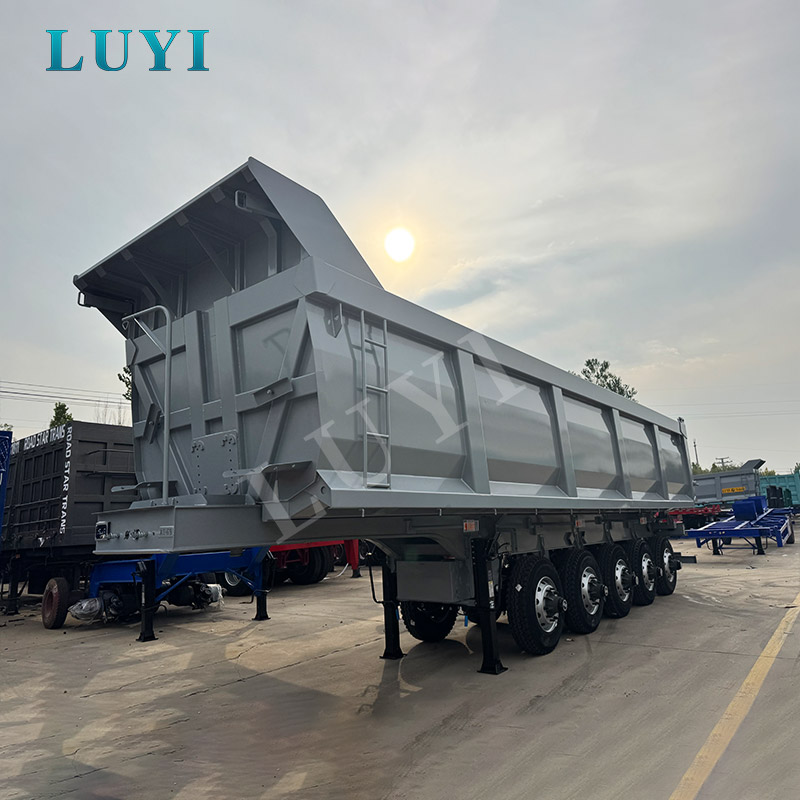
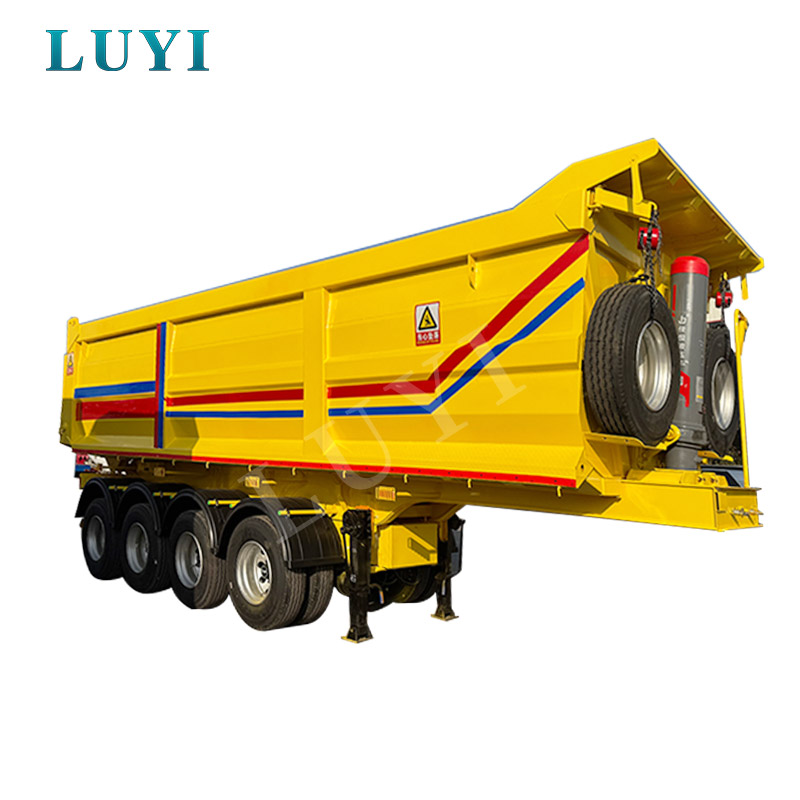
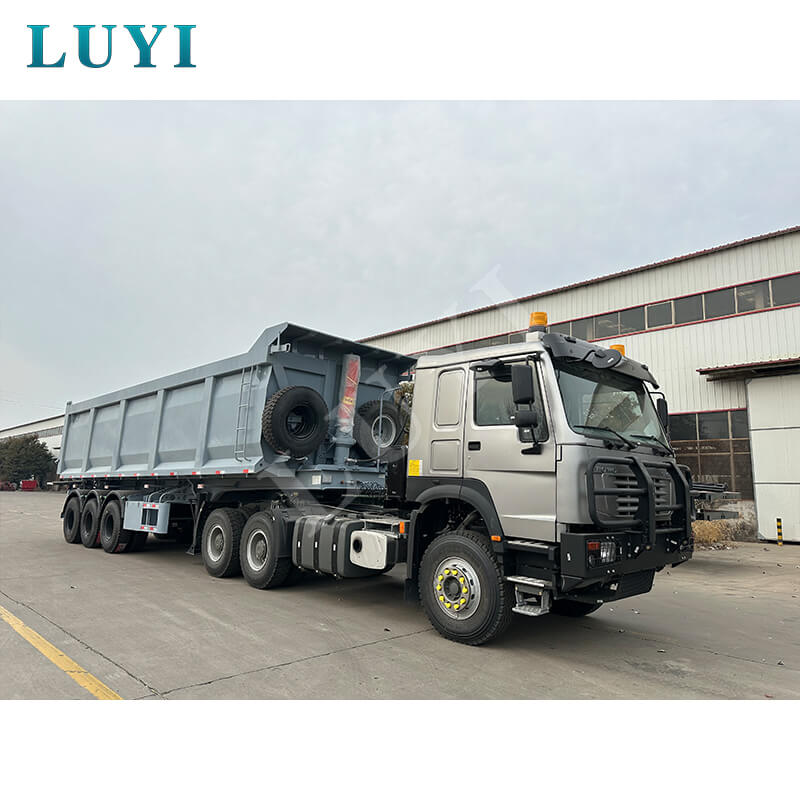
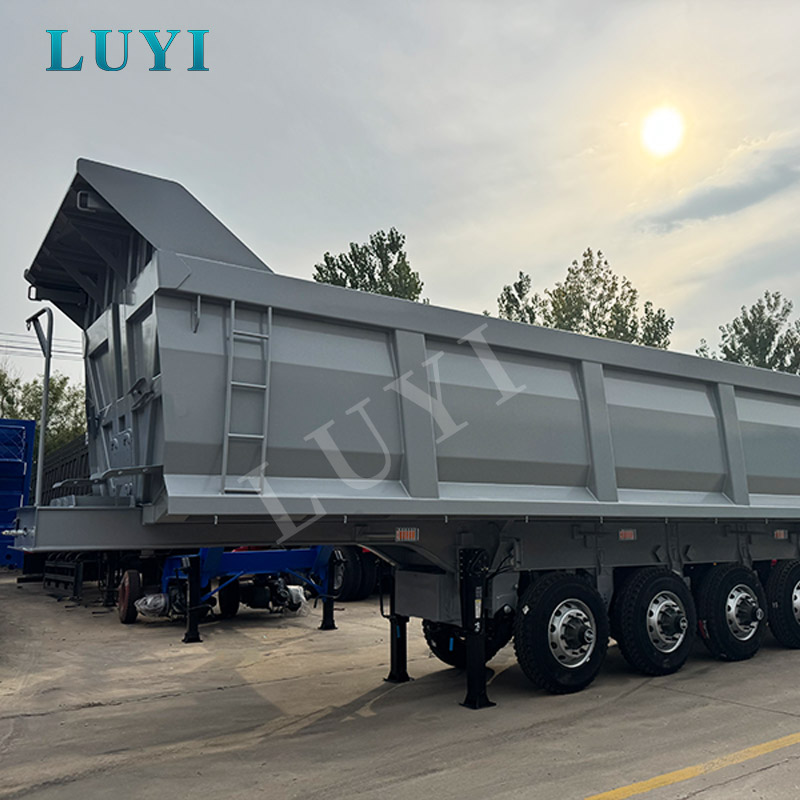
A five-axle rear dump semi-trailer, also known as a five-axle rear tipper trailer or end dump trailer, uses a rear-mounted unloading structure and a hydraulic lifting system to discharge bulk materials from the back of the cargo body. It is commonly used for transporting coal, ore, sand, gravel, crushed stone, earthwork materials and construction waste.
Compared with lighter dump trailers, the five-axle layout spreads the loaded weight across more axles. This helps reduce single-axle pressure and improves operating stability when the trailer is used for heavy-duty hauling. For buyers comparing different rear tipping semi trailer options, the five-axle model is usually considered when higher payload, longer service life and stronger road adaptability are required.
The trailer is most valuable in operations where bulk materials must be moved repeatedly under high-load and high-frequency working conditions. Typical applications include:
For fleets working in mining and heavy haulage or construction and infrastructure projects, the rear dump design can reduce dependence on auxiliary unloading equipment and keep material delivery cycles more predictable.
The main advantage of a five-axle configuration is not simply “more axles.” The value comes from how the complete trailer is matched to the buyer’s actual operating conditions. A properly engineered five-axle dump trailer can improve:
For project buyers, the right five-axle rear dump trailer should be selected according to cargo density, local axle-load limits, road conditions and unloading frequency—not only the maximum theoretical loading capacity.
The following specifications are commonly reviewed during early project communication. Final dimensions, payload and components should be confirmed according to local transport rules, tractor compatibility and actual operating environment.
| Item | Reference Configuration | Buyer Notes |
|---|---|---|
| Trailer Type | Five-axle rear dump / rear tipper semi-trailer | Suitable for high-volume dry bulk material transport |
| Payload Range | Typically configured for heavy-duty project loads; custom heavy-haul models available | Must be matched with local legal axle-load and gross weight limits |
| Body Volume | Commonly customized according to cargo density and transport route | High-density cargo needs controlled volume to avoid overloading |
| Cargo Body Type | U-shape or rectangular body | U-shape body is often preferred for smoother discharge of sand, gravel and ore |
| Body Material | High-strength wear-resistant steel plate | Plate thickness should increase for sharp stones, ore and abrasive materials |
| Main Beam | Reinforced or double-layer heavy-duty beam structure | Important for repeated loading, off-road impact and long-term frame strength |
| Hydraulic System | Heavy-duty front lifting cylinder, commonly HYVA or equivalent brand options | Hydraulic lifting speed and stability should match loaded weight and unloading frequency |
| Axles | Five heavy-duty axles; FUWA, BPW or customized axle options | Axle brand and rated capacity should be selected according to road condition and load requirement |
| Suspension | Mechanical suspension or air suspension options | Mechanical suspension is common for heavy-duty site work; air suspension may be selected for specific road/regulatory needs |
| Braking System | ABS and export-ready braking components | Brake configuration should comply with destination market requirements |
| Tires | Heavy-duty radial or tubeless tire options | Tire model should match road temperature, load frequency and spare parts availability |
One of the most common mistakes is choosing a large cargo body without calculating material density. Sand, gravel, ore and coal have very different densities. A body that is ideal for light bulk cargo may cause overloading when used for dense ore. Before production, buyers should provide the main cargo type, expected payload, body volume preference and local legal load limits.
U-shaped bodies are often used for sand, gravel, coal and ore because they reduce dead corners and support smoother discharge. Rectangular bodies may be selected when buyers need a more traditional box structure or specific volume requirements. Luyi Auto can recommend body shape according to unloading site, cargo flow behavior and maintenance requirements.
Mining roads, quarry roads and temporary construction roads often include potholes, slopes, soft soil and uneven surfaces. For these conditions, reinforced suspension, higher ground clearance, stronger landing gear, impact-resistant bumper structures and suitable tire models should be considered. Buyers can also review broader transportation equipment applications to compare different trailer solutions for heavy-duty scenarios.
The hydraulic system is one of the core parts of a rear dump trailer. A stable lifting cylinder, reinforced tipping pivot and properly designed body angle help reduce unloading risk. For frequent unloading operations, buyers should ask about hydraulic cylinder brand, lifting speed, oil circuit layout, maintenance access and emergency lowering design.
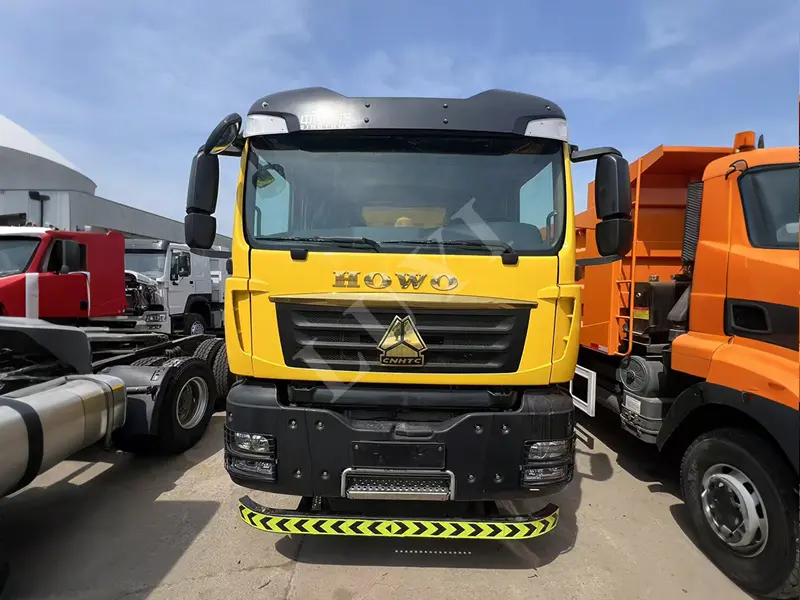
The trailer should match the buyer’s tractor in fifth wheel height, kingpin size, braking interface, electrical system and gross combination weight. If the tractor model is already confirmed, providing tractor specifications helps the engineering team avoid mismatch problems before production.
In export projects, problems often appear when the trailer is selected only by price or by maximum theoretical payload. To reduce operating risk, buyers should avoid the following mistakes:
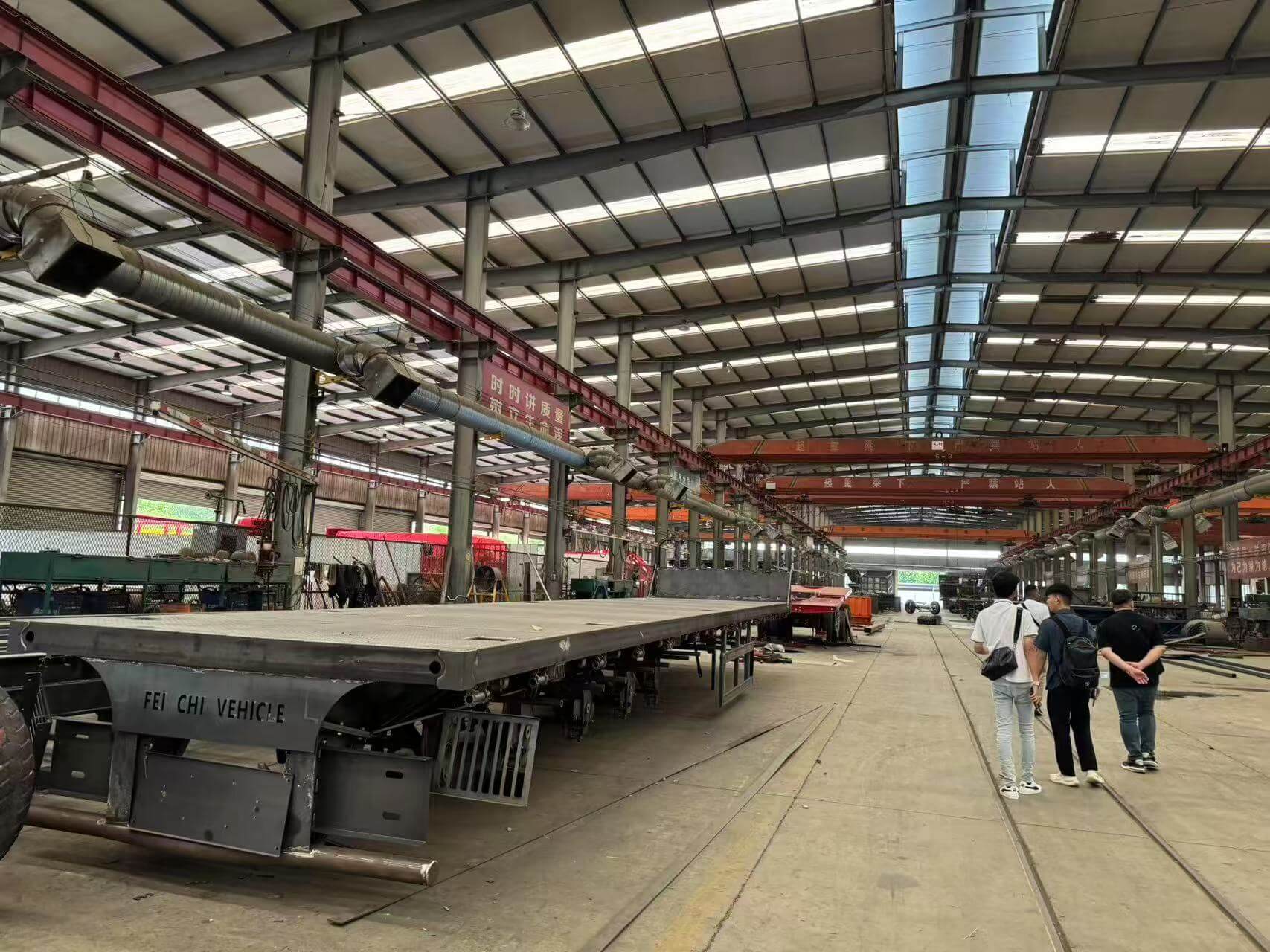
For a heavy-duty rear dump trailer, manufacturing quality directly affects service life. When communicating with a supplier, buyers should ask how the factory controls frame welding, beam strength, hydraulic installation, axle alignment and anti-corrosion treatment.
As a semi-trailer manufacturer, Luyi Auto supports buyers with product design, configuration matching, production communication and export delivery. Buyers can learn more about the company’s manufacturing background through the Luyi Auto factory page and review service support through the Luyi Auto service page.
Important production and inspection points include:
Different countries and projects require different trailer configurations. Luyi Auto can customize five-axle rear dump semi-trailers according to the buyer’s cargo type, road condition, legal requirements and preferred component brands.
If your project requires a higher-capacity configuration, you can also compare the 5-axle heavy-duty 120-ton rear dump trailer as a reference model for heavy-load applications.
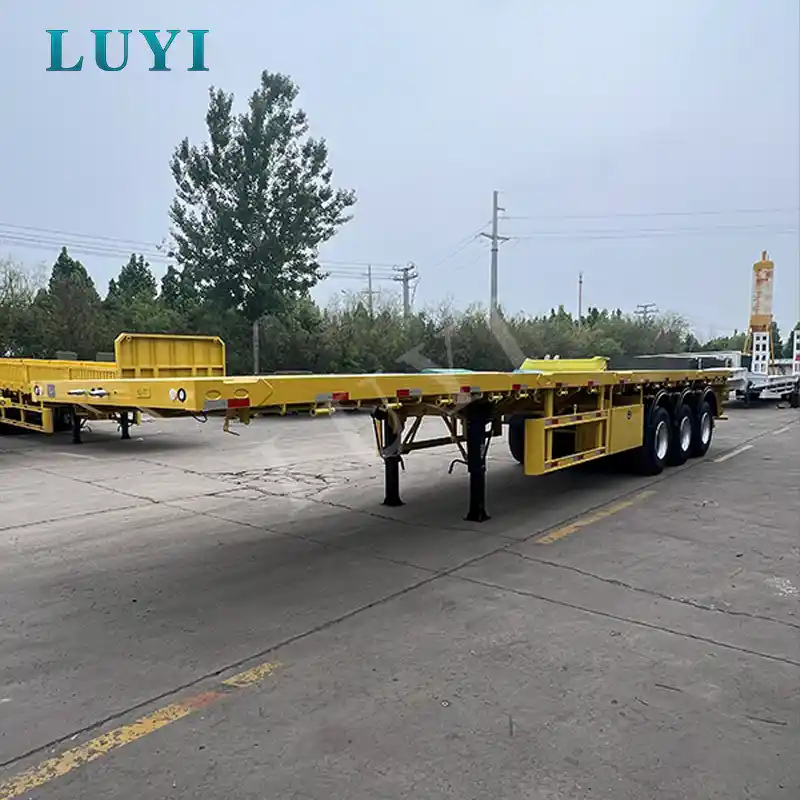
For export buyers, delivery planning is part of the purchase decision. Rear dump trailers are usually shipped by bulk vessel, RO-RO vessel, flat rack or other suitable transport methods depending on destination, port conditions, trailer size and order quantity.
Before shipment, the trailer should be checked for body locking, hydraulic protection, tire condition, lighting system, anti-rust treatment and shipping documentation. For large fleet orders, buyers should confirm delivery schedule, port of loading, spare parts list and after-sales communication process in advance.
A five-axle rear dump trailer can distribute load across more axles, making it more suitable for heavier bulk transport and demanding road conditions. It can improve single-trip transport volume when local regulations allow the higher gross weight.
Rear dump trailers are suitable for many dry loose bulk materials, including sand, gravel, coal, stone and ore. For wet, sticky or corrosive materials, the body structure, steel plate, surface treatment and hydraulic power should be customized to improve unloading performance and reduce corrosion or residue.
A U-shape body is often preferred for smoother unloading and reduced material residue. A rectangular body may be selected for specific volume or project requirements. The better choice depends on cargo type, unloading site and maintenance preference.
To get a practical configuration, provide the cargo type, expected payload, body volume, road condition, destination country, tractor model, preferred axle/suspension brand and any local regulation requirements.
Regularly inspect the hydraulic system, axles, braking system, tires, suspension and body welds. Avoid continuous overloading, clean residual materials after unloading and repair paint or anti-rust coating when damage appears.
If you are planning bulk material transport for mining, quarrying, infrastructure or construction projects, Luyi Auto can help match the trailer body, axle layout, hydraulic system, suspension and export configuration to your real working conditions.
Send your cargo type, target payload, road condition, destination country and tractor model through the Luyi Auto inquiry page, or contact the team directly via the contact page to request a customized five-axle rear dump semi-trailer solution.