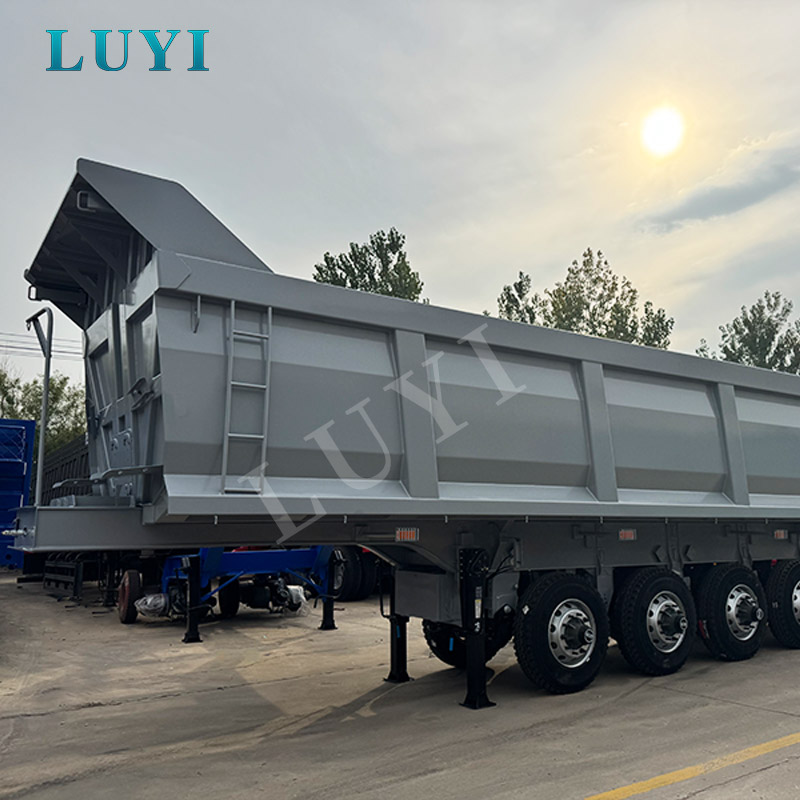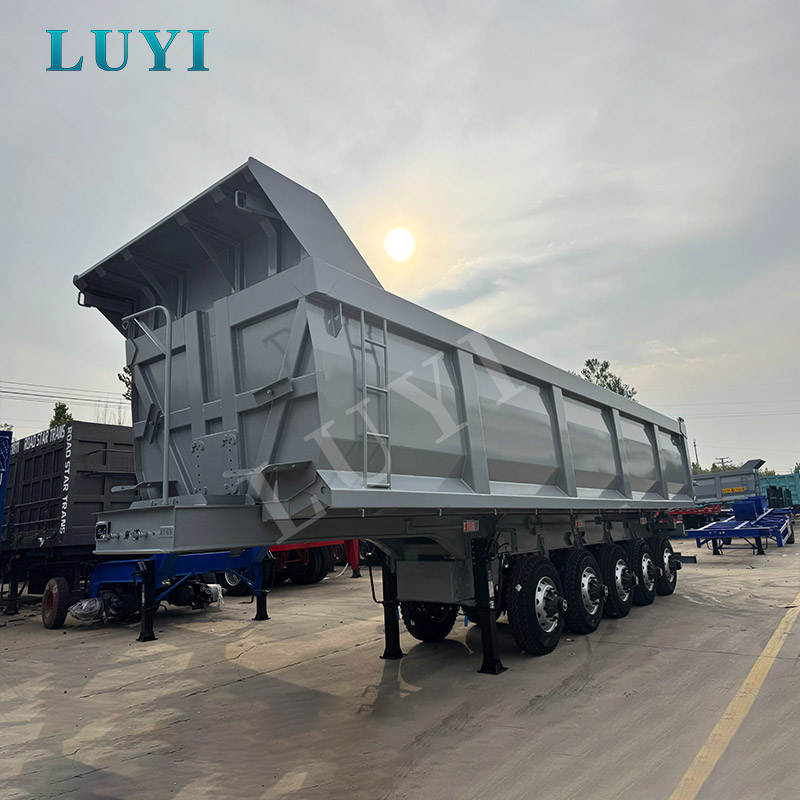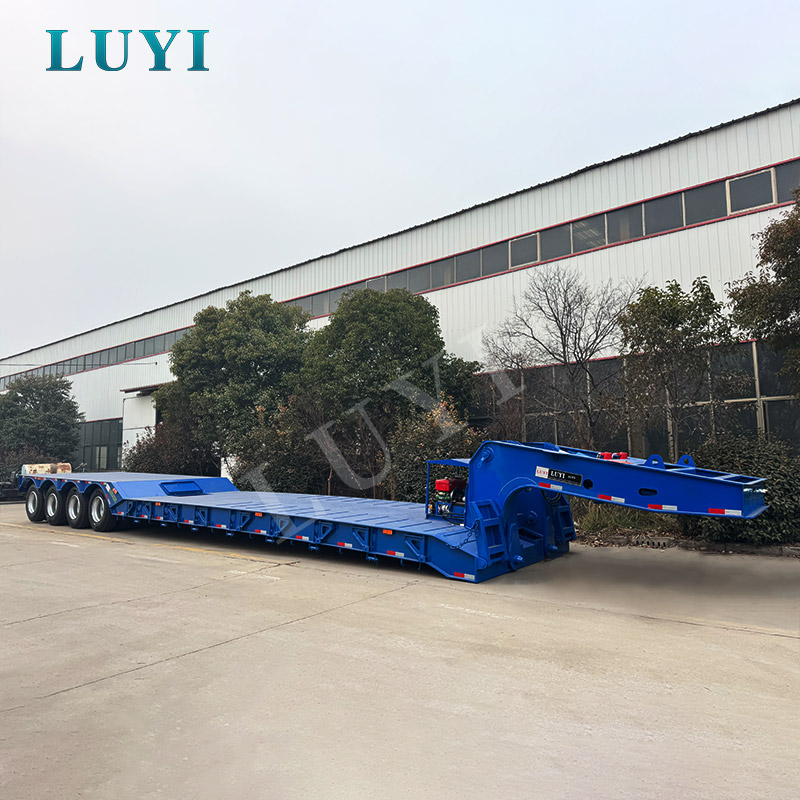

For mining contractors, quarry operators, infrastructure builders and bulk material logistics companies, a five-axle rear dump semi-trailer is not simply a larger version of a standard dump trailer. It is a heavy-duty transport solution that must be matched with real cargo density, road conditions, axle-load rules, unloading frequency and maintenance capacity.
In daily site operation, this type of trailer is commonly used to transport coal, ore, crushed stone, gravel, sand, earthwork material and construction waste. The rear hydraulic unloading structure allows the trailer to discharge cargo directly at the jobsite, reducing dependence on extra unloading equipment and helping fleets maintain a faster loading-unloading cycle.
For buyers comparing heavy-duty dump trailer options, the Luyi Auto 5 Axle End Dump Trailer is a relevant reference model for mining, quarry and construction bulk transport where payload, frame strength and tipping stability all need to be considered together.
A five-axle rear dump semi-trailer, also called a five-axle rear tipper trailer or five-axle end dump trailer, is designed for transporting loose bulk materials and unloading them from the rear through a hydraulic lifting system. Compared with conventional 3-axle or 4-axle dump trailers, the five-axle layout distributes load more evenly across the trailer, helping reduce concentrated axle pressure and improve heavy-load running stability.
The trailer is usually built with a reinforced chassis, thickened main beam, wear-resistant cargo body, heavy-duty axles, robust suspension and a high-capacity hydraulic lifting cylinder. In demanding working environments such as mines, stone pits and infrastructure projects, these structural details directly affect service life, unloading safety and daily operating cost.
A five-axle rear dump trailer should be selected according to cargo density, road surface, legal axle-load limits and unloading frequency—not only according to the maximum theoretical payload.
The five-axle rear dump semi-trailer is suitable for high-load, repeated-cycle transport where trucks need to move large volumes of material between loading points, working faces, crushers, stockyards or construction sections.
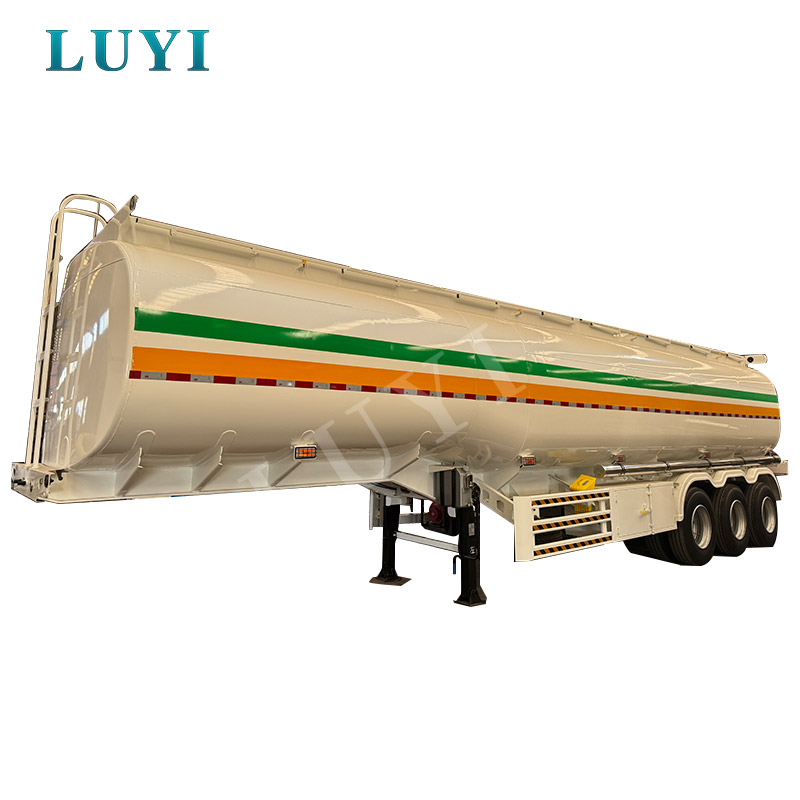
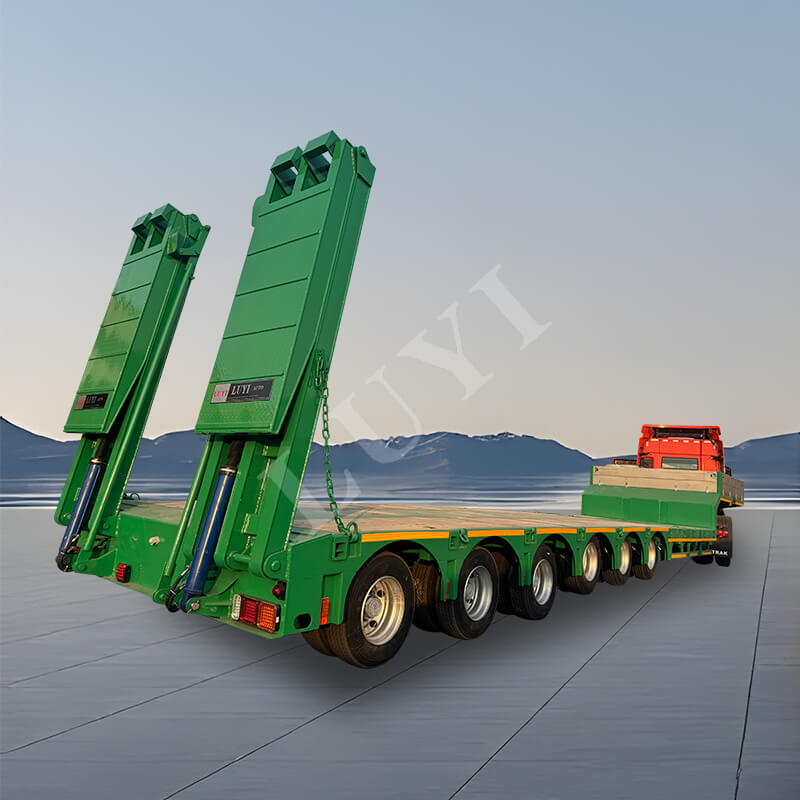
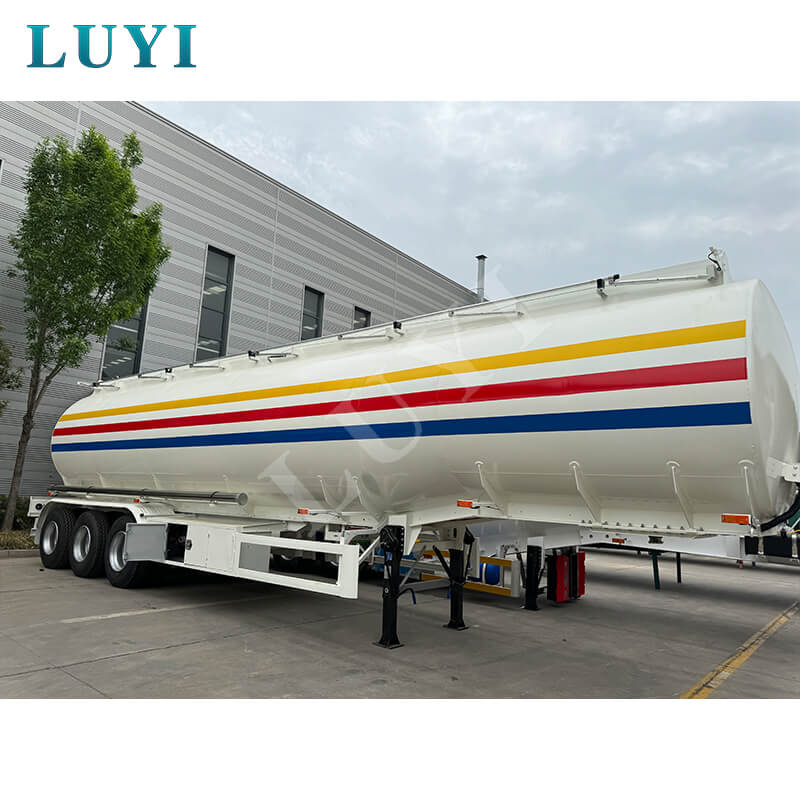
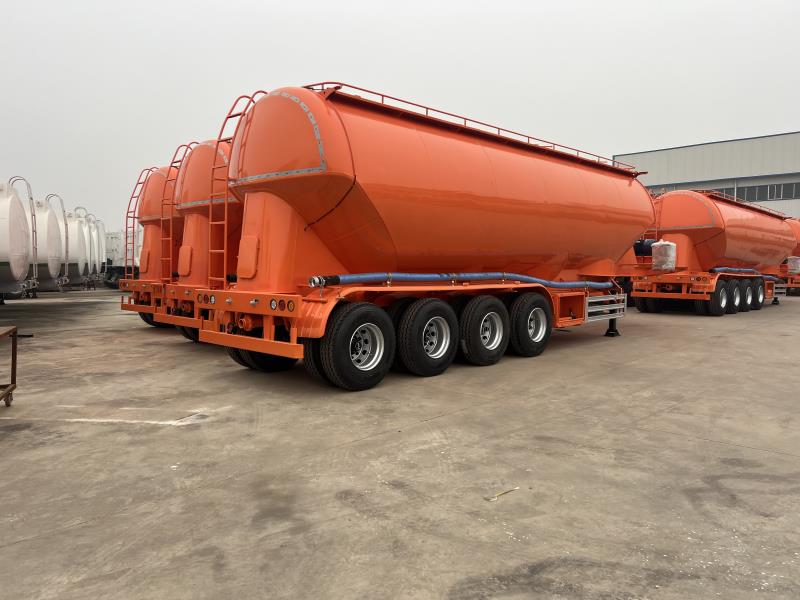
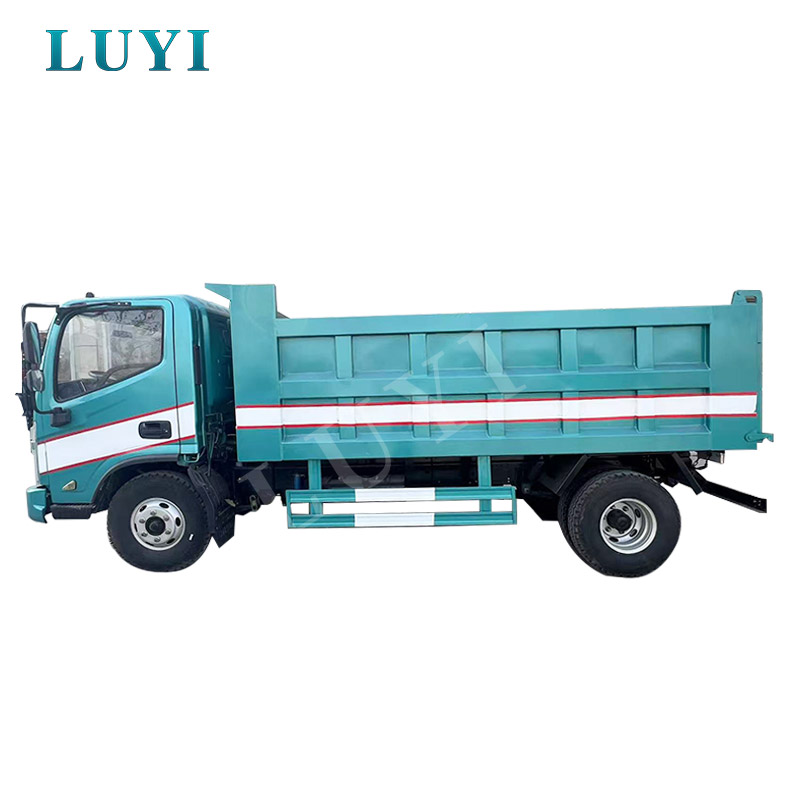
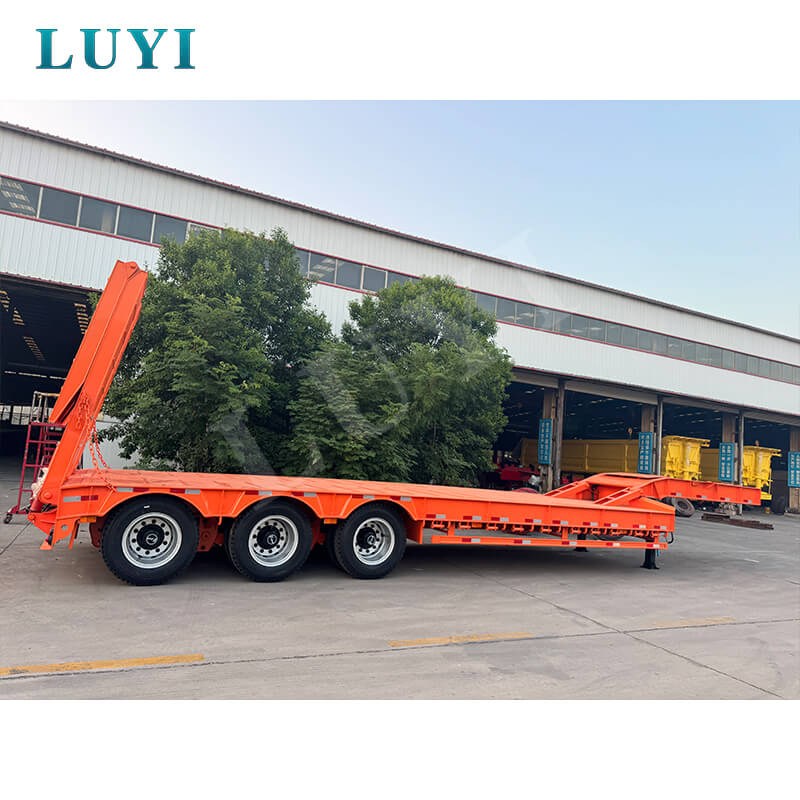
For fleets operating in heavy-haul scenarios, Luyi Auto also provides broader product solutions through its semi-trailer and heavy-duty truck product range, allowing buyers to compare dump trailers, flatbed trailers, lowbed trailers, tanker trailers and other transport equipment based on project needs.
The biggest value of a five-axle rear dump trailer is its ability to balance heavier cargo across more axles. This is especially important when the trailer is used for dense materials such as coal, ore and crushed stone, where improper axle distribution can cause tire stress, suspension fatigue, frame deformation or regulatory risk.
More axles help spread loaded weight across the trailer, reducing the pressure carried by each axle group. This can improve road adaptability and reduce stress on tires, suspension and the main beam when the trailer is properly loaded.
When local regulations and road conditions allow, a five-axle rear dump trailer can move more material per trip than many lighter dump trailer configurations. For mining and construction fleets, this may reduce the number of cycles required to complete a project transport task.
Mining roads, quarry roads and temporary construction roads often include slopes, potholes, loose gravel and uneven surfaces. A reinforced frame, heavy-duty suspension and suitable ground clearance help the trailer remain more stable under repeated heavy-load operation.
The following specification table is intended as a practical reference for buyers. Final configuration should be confirmed according to cargo density, tractor compatibility, route condition, destination regulations and project operating requirements.
| Item | Reference Configuration | Buyer Notes |
|---|---|---|
| Trailer Type | Five-axle rear dump / rear tipper semi-trailer | Designed for high-volume bulk material transport |
| Reference Loading Capacity | 70–80 tons | Must be checked against local axle-load and gross weight limits |
| Cargo Body Volume | 30–35m³ | Should be matched with cargo density to avoid overloading or wasted volume |
| Cargo Body Shape | U-type or rectangular body | U-type body supports smoother discharge; rectangular body may suit certain project requirements |
| Body Material | High-strength wear-resistant steel plate | Recommended for coal, ore, stone and abrasive materials |
| Main Beam | Double-layer thickened reinforced main beam | Important for long-term heavy-load operation and frame rigidity |
| Axles | FUWA, BPW or equivalent heavy-duty axle options | Axle brand and rated capacity should match road conditions and maintenance availability |
| Suspension | Heavy-duty mechanical suspension or custom suspension options | Mechanical suspension is commonly used for mining and construction site operation |
| Hydraulic System | HYVA hydraulic cylinder or equivalent brand option | Hydraulic lifting stability is critical for safe and efficient rear unloading |
| Braking System | ABS and export-ready braking configuration | Brake setup should comply with destination market requirements |
| Tires | Heavy-duty tire options | Tire specification should be selected according to payload, road surface and spare parts availability |
| Sealing and Protection | Sealed body edges, anti-rust coating and optional anti-leakage design | Useful for humid environments, wet materials or long-term outdoor operation |
Coal, ore, crushed stone, gravel, sand and construction waste do not have the same density or abrasion level. If the trailer mainly carries dense or sharp-edged materials, buyers should consider thicker floor plates, reinforced side walls, stronger suspension and wear-resistant steel. If the cargo is light but bulky, body volume may be more important than maximum structural payload.
A 30–35m³ body can be useful for many bulk transport scenarios, but volume alone does not determine whether the trailer is suitable. For dense ore or wet sand, a large body may reach legal weight limits before it is physically full. Buyers should calculate cargo density, expected loading method and local road rules before confirming the cargo body size.
A U-type cargo body can reduce dead corners and support smoother unloading for sand, gravel, coal and many loose bulk materials. A rectangular body may be selected when the buyer needs a specific box shape, higher side walls or a familiar loading structure. The decision should be based on cargo flow behavior, loading method, unloading site and maintenance convenience.
For long-distance highway transport, stability and tire wear are major concerns. For mining or quarry sites, impact resistance, ground clearance and suspension strength are more important. Buyers should describe whether the trailer will run on paved roads, gravel roads, steep mining roads, muddy construction roads or mixed operating routes.
The hydraulic system controls the unloading process. A stable hydraulic cylinder, strong lifting structure, proper body angle and reliable oil circuit layout help reduce unloading risk. For frequent unloading, buyers should ask about hydraulic cylinder brand, lifting speed, maintenance access, spare parts supply and emergency operation guidance.
Many purchasing problems appear after the trailer enters daily work, especially when the configuration was selected only by price or theoretical payload. Common mistakes include:
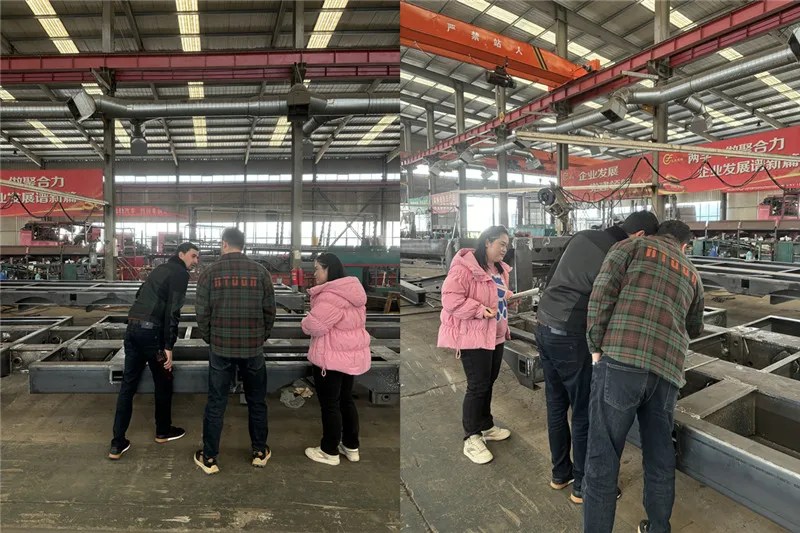
For heavy-duty dump trailers, manufacturing quality is directly connected to safety, service life and operating cost. Buyers should not only request a quotation; they should also understand how the trailer frame, body, hydraulic system, axles and braking system are produced and inspected.
Key inspection points include:
International buyers who want to understand Luyi Auto’s production background can review the Luyi Auto factory page. For project communication, after-sales support and custom configuration assistance, the Luyi Auto service page provides additional information about support throughout the trailer lifecycle.
Different transport projects require different specifications. Luyi Auto can customize five-axle rear dump semi-trailers according to cargo type, operating route, local regulations, preferred component brands and buyer fleet standards.
For overseas buyers, shipping planning should be discussed before production is finalized. Five-axle rear dump trailers are large heavy-duty equipment, so shipment method may depend on destination port, order quantity, trailer dimensions, route availability and loading requirements.
Before shipment, Luyi Auto can support final inspection, accessory protection, paint checking, tire and axle inspection, hydraulic system protection, shipping mark confirmation and export document preparation. For fleet orders, buyers should confirm delivery schedule, spare parts list and after-sales communication process in advance.
A five-axle rear dump trailer offers stronger load distribution and can support heavier bulk transport when local regulations allow. It is better suited for high-volume mining, quarry and infrastructure projects where transport cycles, road impact and payload stability are major concerns.
Rear dump trailers are suitable for many dry loose bulk materials, including sand, gravel, coal, crushed stone and ore. For wet, sticky or slightly corrosive materials, the cargo body, inner wall, unloading angle and anti-rust treatment should be customized to reduce residue and long-term body damage.
U-type bodies are commonly selected for smoother discharge and less material residue. Rectangular bodies may be preferred for certain volume requirements or familiar loading habits. The better choice depends on cargo type, loader operation, unloading site and maintenance preference.
Buyers should provide cargo type, target payload, required body volume, road condition, destination country, tractor model, preferred axle and suspension brands, local legal requirements and expected order quantity. This helps the manufacturer recommend a more practical configuration.
Operators should regularly inspect the hydraulic system, axles, braking parts, suspension, tires, rear hinge and body welds. Avoid continuous overloading, clean residual material after unloading, repair paint damage quickly and follow routine maintenance schedules for core components.
If your fleet needs a rear dump semi-trailer for mining, quarry, construction, port material turnover or infrastructure bulk transport, Luyi Auto can help evaluate payload, body volume, steel thickness, axle configuration, suspension, hydraulic system and export delivery requirements based on your real working conditions.
Send your cargo type, expected payload, road condition, destination country and tractor model through the Luyi Auto inquiry page. You can also contact the team directly through the contact page to request a customized five-axle rear dump semi-trailer quotation.