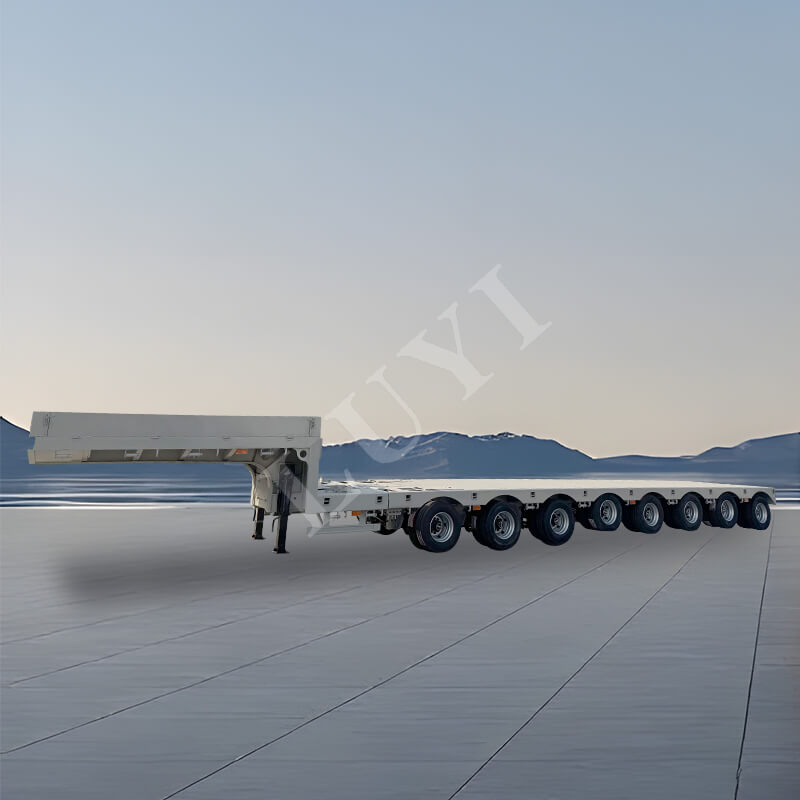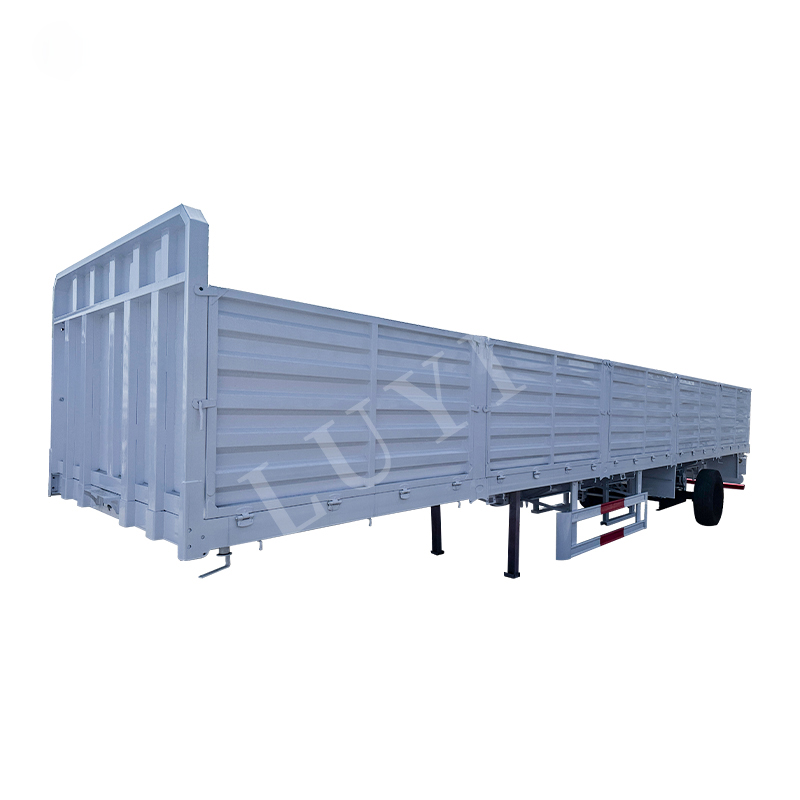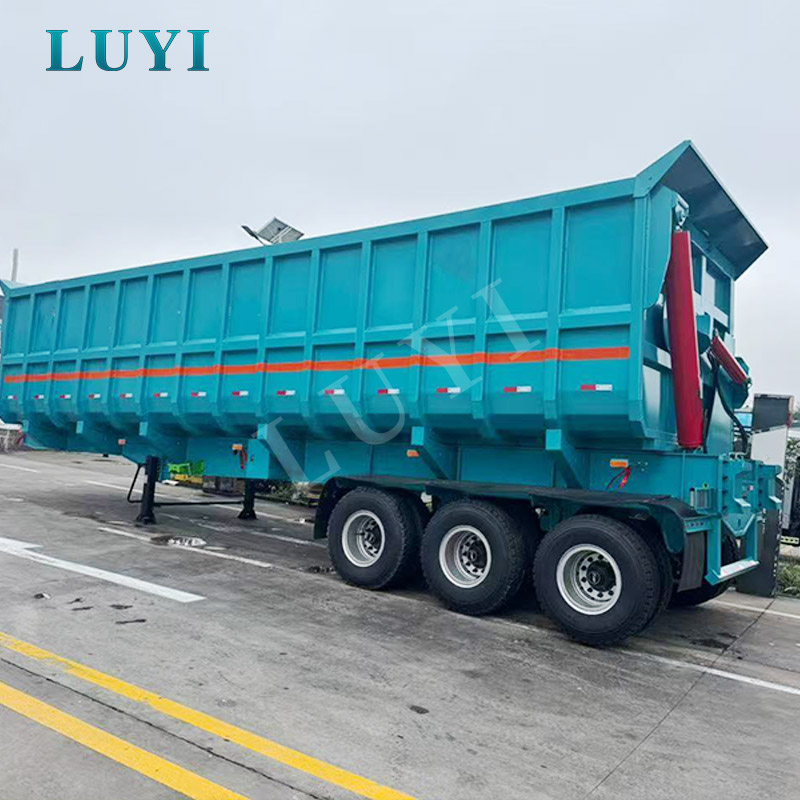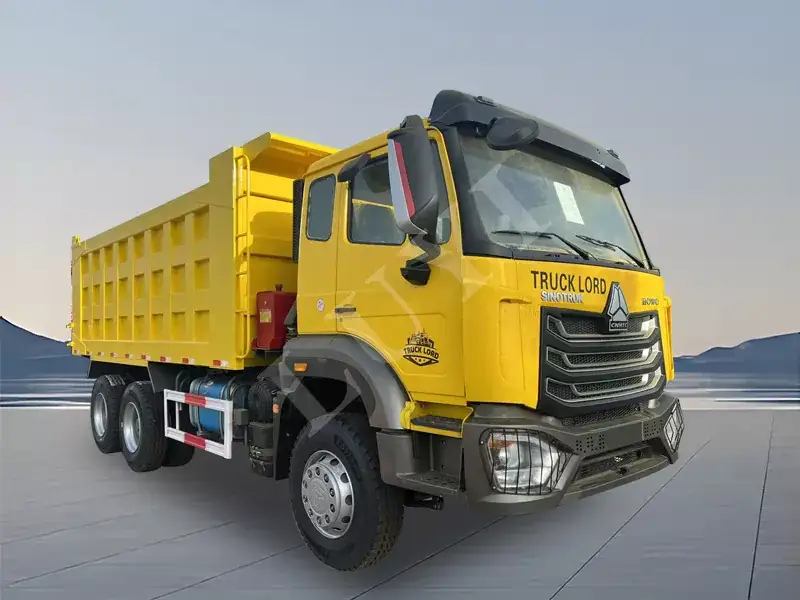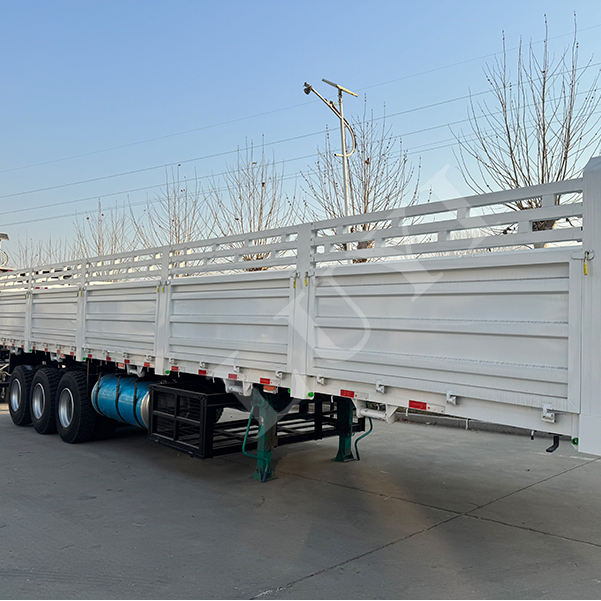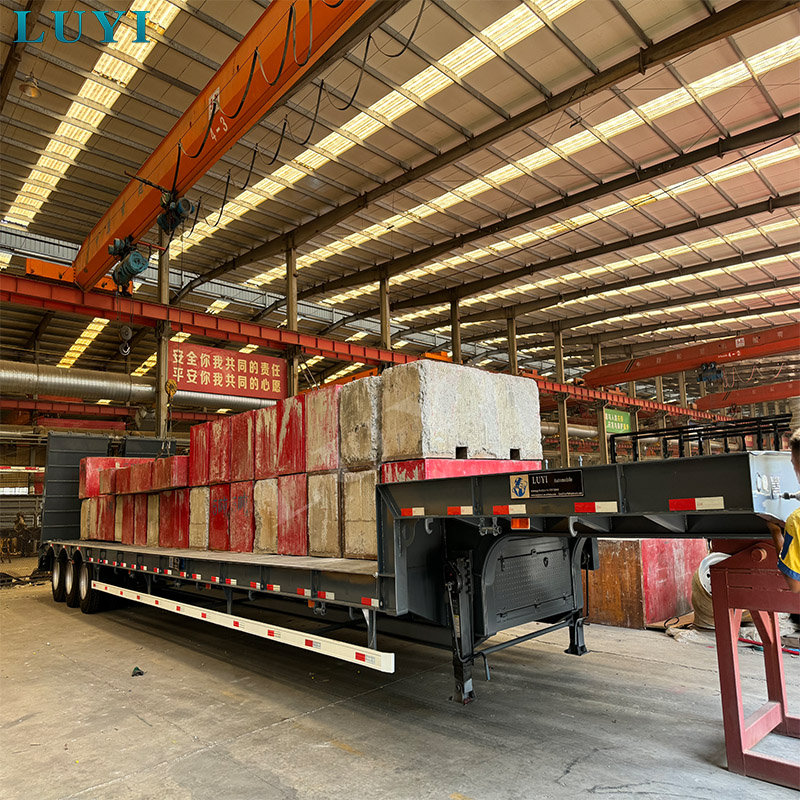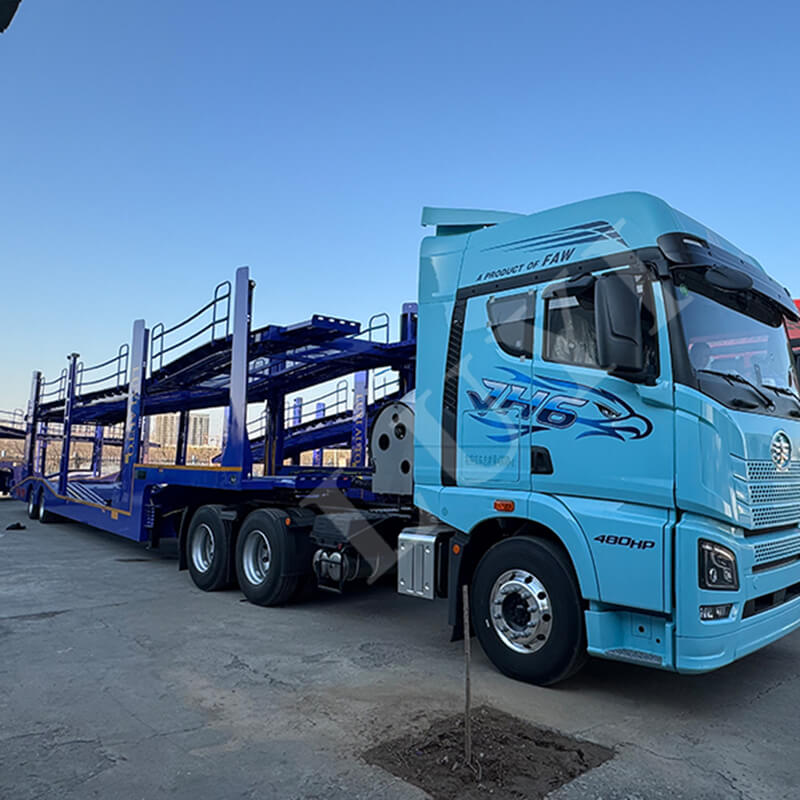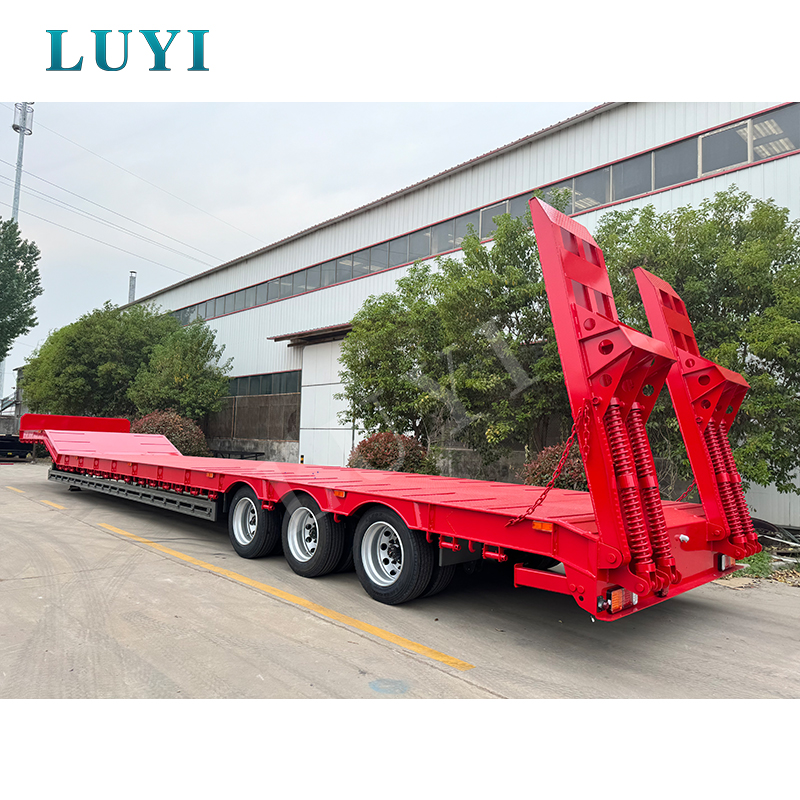

A drawbar side tipper trailer with Luyi Auto China is a common towable transport unit widely used in light-duty haulage. It connects easily to tractors and light trucks through a simple drawbar linkage for flexible towing. Different from standard rear-tipping trailers that unload from the back, this model adopts a hydraulic lift structure to dump materials sideways. This practical design makes unloading quick and easy, even in narrow, crowded work sites with limited operating space. Fitted with a sturdy steel frame and open cargo bay, it is specially made for repeated short-distance hauling of all kinds of bulk materials. Its small body size and great operational agility make it a more ideal choice for small on-site projects, compared with large and clumsy semi-trailers that struggle with flexible operations.
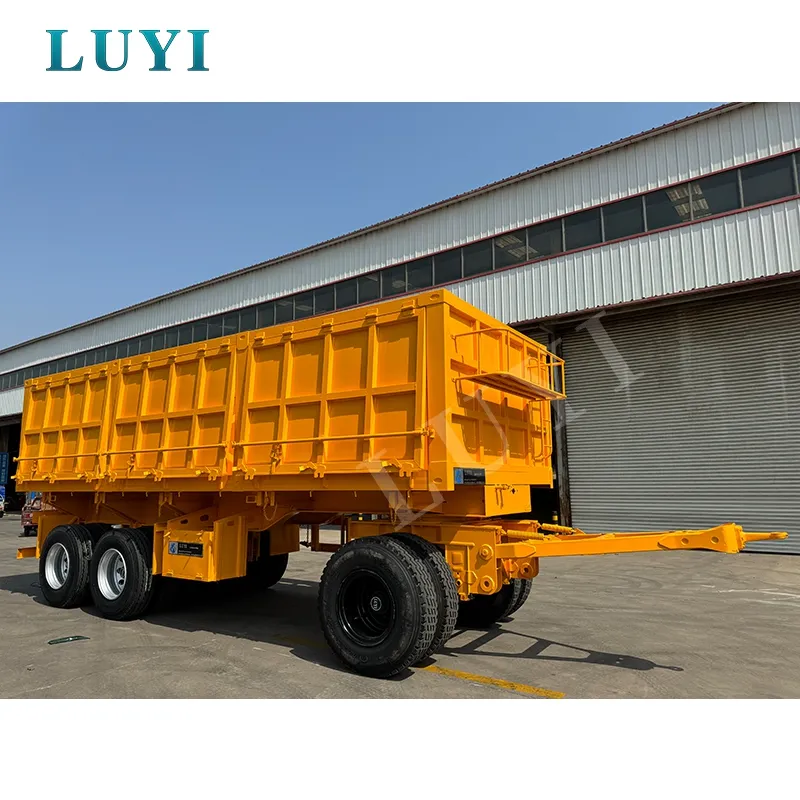
This trailer model fits a wide range of light and medium transport work across construction, agriculture and municipal sectors. On construction sites, it is commonly used to move sand, gravel, broken stones and all kinds of construction waste. For farm work, it handles bulk supplies such as grain, fertilizer and straw, alongside topsoil transportation for farmland maintenance. It also supports daily municipal operations, including road waste cleanup and green waste disposal. Its compact build and great agility let it work stably on narrow country roads, small construction plots and farm terrain, places where large transport vehicles can hardly access or operate properly.
Most standard drawbar side tipper trailers come with a 5 to 20-ton payload range, perfectly matching the power of mainstream light-duty towing vehicles in the industry. The whole frame adopts premium manganese steel, boasting outstanding wear resistance and stable structural performance for long-term daily use. Its built-in hydraulic tipping system can finish full side unloading within 30 to 60 seconds, greatly boosting on-site working efficiency. Most configurations adopt dual or four-wheel layout with shock-absorbing suspension, ensuring smooth running on rough, uneven roads. Equipped with anti-slip floor plates, waterproof body shells and standard safety lights, it fully meets daily construction and transportation requirements.
Selecting a proper trailer configuration depends entirely on your real working conditions and daily transport demands. First off, choose a load capacity that fits your regular cargo weight, to avoid overloading risks or unnecessary fuel waste caused by redundant bearing capacity. If your work involves non-stop daily unloading, upgrading to heavy-duty hydraulic parts will effectively extend the system’s service life. For frequent off-road operations on rugged roads, reinforced suspension and wheel assemblies can greatly improve overall durability.
Most purchasing problems stem from a few common mistakes that buyers tend to make. Many prioritize low prices over actual build quality, which inevitably leads to frame deformation, hydraulic oil leakage and other mechanical issues after long-term use. Some users blindly pick oversized load capacity, resulting in higher fuel consumption and poorer flexibility on narrow job sites. Terrain adaptability is another easily overlooked point, as standard suspension structures cannot withstand long-time off-road use and wear out rapidly. Moreover, quite a few buyers ignore after-sales service guarantees, bringing troubles and extra costs for later maintenance and parts replacement.
Professional trailer manufacturers offer diverse personalized customization services to suit varied on-site needs. Users can install wear-resistant inner liners to prevent cargo friction from damaging the trailer body. Sealed hydraulic system upgrades are available for dusty, humid and harsh working environments, reducing equipment failure rates. Extended cargo boxes are a practical option for those needing larger loading volume without increasing tonnage. Other optional upgrades include high-performance braking systems, high-visibility LED warning lights and full-body anti-rust coating, all of which help improve the trailer’s durability and adaptability for special working scenarios.
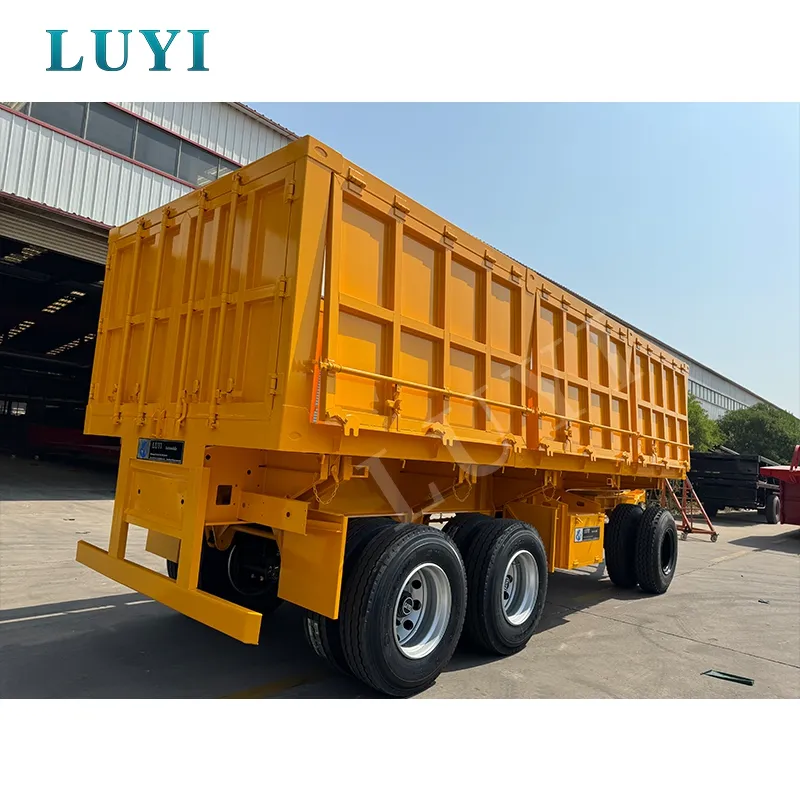
This trailer is mainly designed for frequent, short-distance local haulage. It delivers better cost performance and flexibility than large semi-trailers for regional short-haul tasks, yet it is not suited for cross-country long-distance transport work.
Daily maintenance of this trailer is simple and cost-effective. It is advisable to lubricate drawbar movable joints regularly, check hydraulic oil condition and volume from time to time, and fasten loose frame bolts periodically. These routine checks can keep the trailer in stable working condition and greatly prolong its service life.
Definitely yes. Thanks to Drawbar Side Tipper Trailer's flexible drawbar connection and unique side-tipping structure, the trailer can move and operate smoothly on narrow roads and cramped construction zones, where large trailer equipment is unable to work normally.