
LUYI AUTO’ve spent over 15 years building and exporting lowbed trailers, talking with haulage business owners from more than forty countries every month. The biggest expense most fleet operators run into isn’t fuel or toll fees—it’s unplanned trailer damage that could’ve been avoided with simple regular checks. These flatbed heavy haul units carry excavators, construction machinery and oversized factory parts every single day. If you skip maintenance, you’ll cut your trailer’s usable years in half, and far worse, put every driver and nearby road user at serious risk. This maintenance rundown comes straight from our factory workshop routines, official CE and ISO manufacturing standards, plus real feedback we’ve collected from long-term clients, built to deliver hands-on, real-world advice instead of generic online copy.
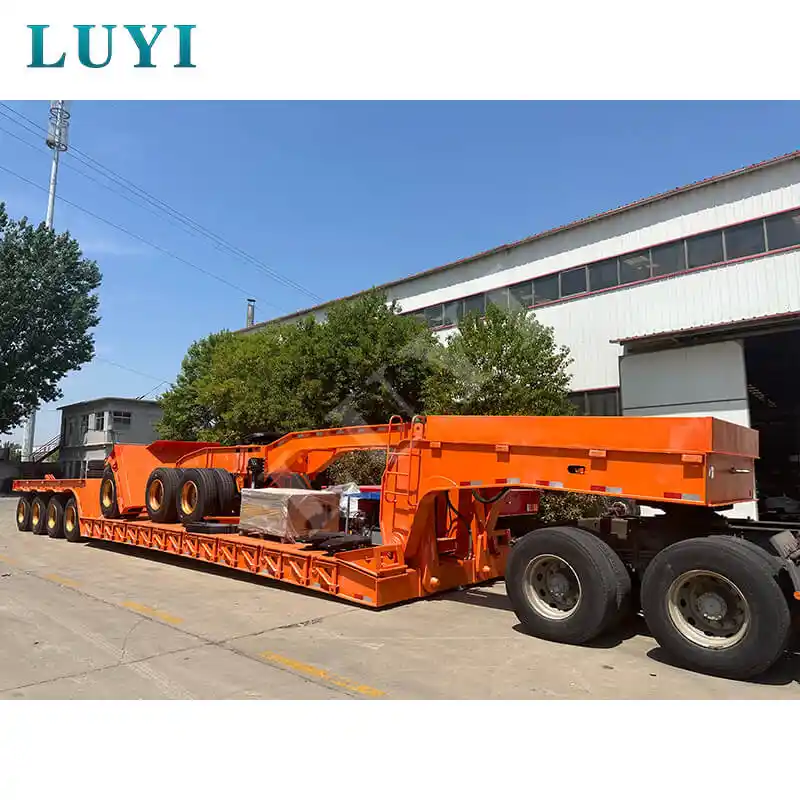
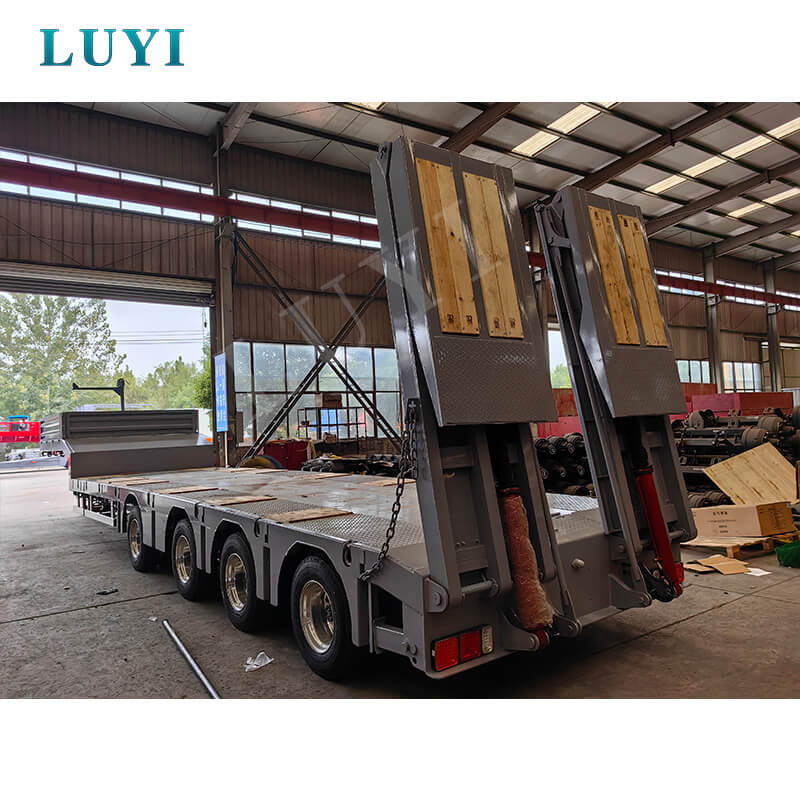
Before you hook up any cargo, a full pre-job visual check is non-negotiable, and I’ll start with the core load-bearing frame first. The main support beams and all welded seams take the full weight of heavy loads ranging from 60 up to 120 tons. Take your time to scan every weld line for tiny hairline cracks, bent cross supports or rust-eaten bolt holes. Those small splits will stretch and crack wide open during long highway trips, especially when climbing steep inclines. Next, check the detachable gooseneck and its landing legs. Push each locking latch by hand to make sure there’s no loose wobble; stuck or loose latches are a top cause of gooseneck separation mid-transit. Our factory’s production rules set fixed torque levels for all structural bolts, so grab a torque wrench and retighten any loose fasteners you spot during your walkaround.
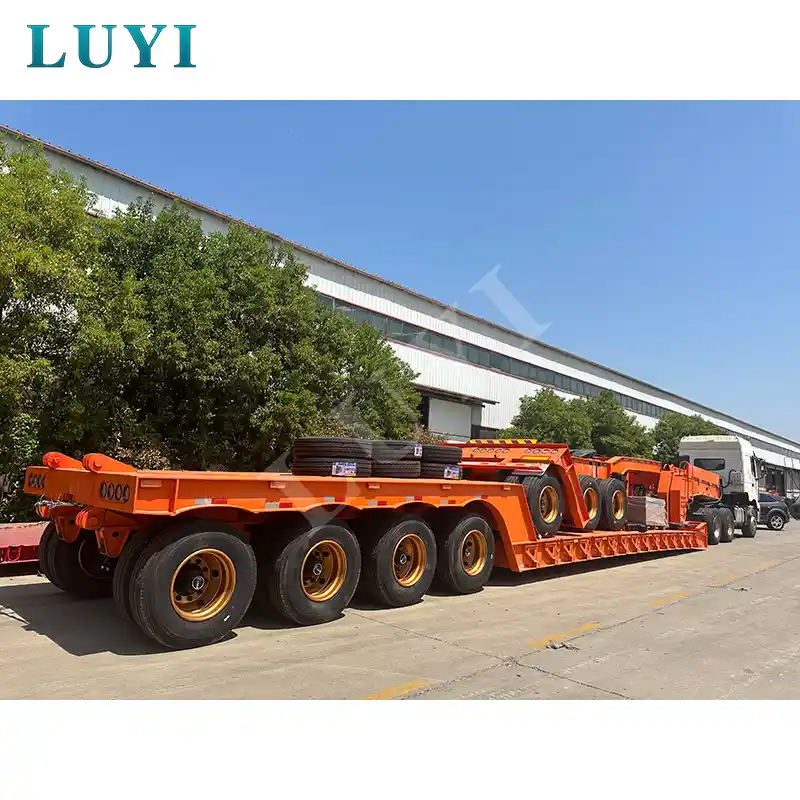
Tires and axles are two parts many haulers rush through, yet they’re critical for safe long-distance travel. Check tire pressure each morning before you load equipment—most heavy vacuum tires need 8 to 10 bar to match factory specs. Running tires underinflated builds massive heat inside the rubber, which almost always leads to sudden blowouts on mountain roads. Too much air pressure wears down tire sidewalls fast, creating brittle cracks that fail without warning. Run your hands over every tire tread to feel for stuck steel fragments, bulges or deep gashes; don’t put off swapping damaged tires to save a little cash. Kneel beside each axle to watch for oil dripping from wheel bearing seals. If lubricant keeps leaking out, wheel bearings will seize up completely while you’re driving. Our service records show teams that grease all axle fittings weekly cut metal wear down by nearly a third and add years to axle lifespan.
Hydraulic lifting parts and air brake systems control how you stop and load your trailer, so test them fully every few days. Trailers with foldable goosenecks rely on stable hydraulic power to raise and lower the front section. Pop open the fluid tank to check liquid levels, then trace every hose and cylinder joint for slow oil seepage. If the gooseneck lifts slowly or jerks unevenly, your hydraulic fluid has picked up dirt or pipeline blockages. Drain and replace the fluid every three months to keep lifting power consistent. For air brakes, run a full leak test: listen closely for constant hissing from air chambers and connecting tubes, then check brake shoe thickness by hand. Thin brake pads stretch stopping distances drastically when the trailer is fully loaded. Don’t forget rear reflectors, side marker lights and wiring plugs—wipe dirt off lenses and test all lights, as dim lighting leads to traffic fines and rear-end collisions on dark highways.
Cleanup and scheduled deep care after each delivery slow metal rust and component wear long-term. Once you unload heavy machinery, sweep mud, metal shards and chemical residue off the steel deck. Those leftover materials trap moisture and eat away at the frame year-round. Wipe down hydraulic ramps and spray exposed bare metal with anti-rust coating before parking the trailer for downtime. Stick to three simple service cycles to stay on track: weekly, grease kingpins and suspension spring joints; every month, retorque all wheel nuts and check suspension airbags for slow air leaks; every three months, bring the trailer to a qualified repair shop for axle alignment and full hydraulic system servicing. From working with dozens of haulage fleets, I’ve seen a clear difference: crews that stick to these maintenance steps get 12 to 15 years of use out of one trailer, while those that skip routine checks only get six to eight years before major breakdowns start piling up.
I get the same handful of questions from trailer buyers and fleet managers week after week, so I’ll clear up the most common worries here. Lots of people ask if light surface rust on the frame needs fixing right away—minor surface rust can be sanded down and sealed with protective paint, but deep pitting that eats through steel weakens load capacity and requires professional welding repairs. Another frequent question covers storage: keeping trailers parked indoors, away from coastal salt wind, cuts rust damage significantly. Every new lowbed trailer we ship comes with an 18-month factory warranty, and we welcome third-party product inspections before delivery to prove build quality to overseas buyers.
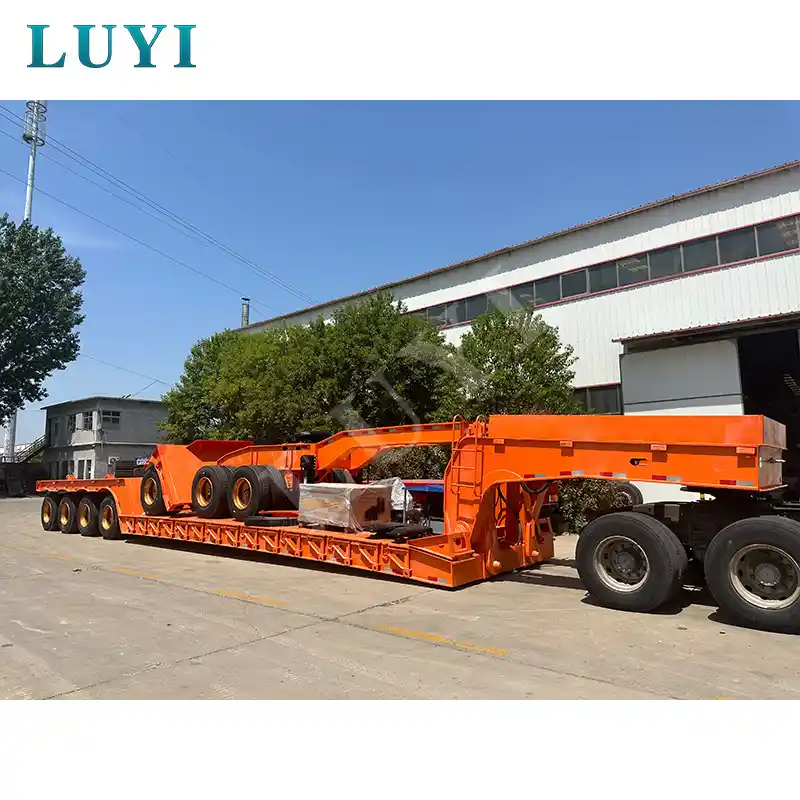
Following consistent, layered maintenance routines protects your drivers, avoids costly emergency breakdowns and lets your lowbed trailer hold steady performance for many years. Every tip shared here comes from real manufacturing experience, client on-site operation stories and global heavy transport safety standards, no vague textbook theory included. Whether you run a small two-truck haulage team or manage a large machinery transport fleet, sticking to this full-cycle maintenance checklist keeps your equipment compliant with international haulage rules and cuts long-term operating costs.