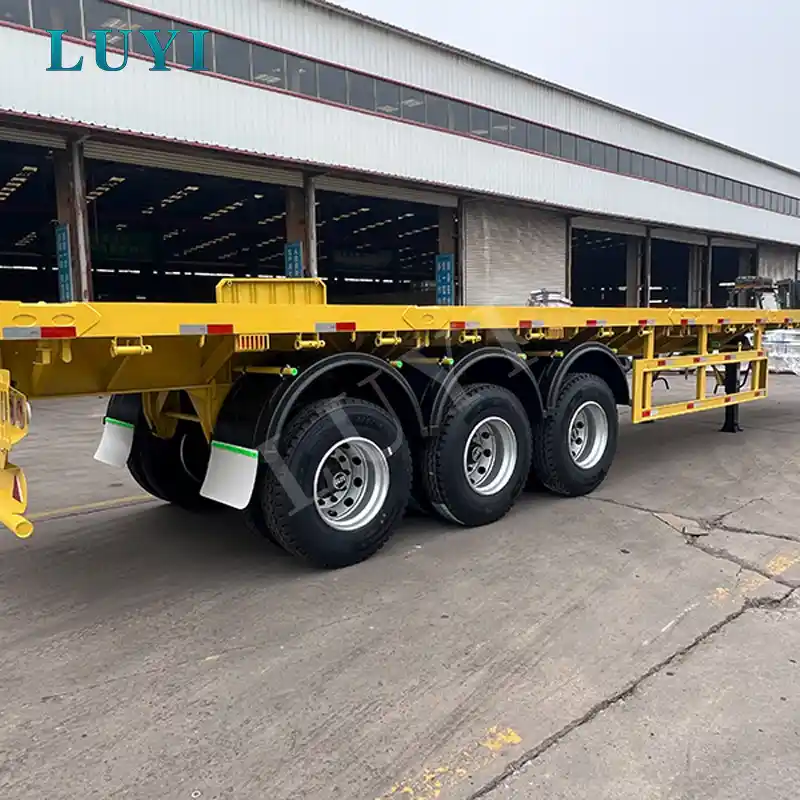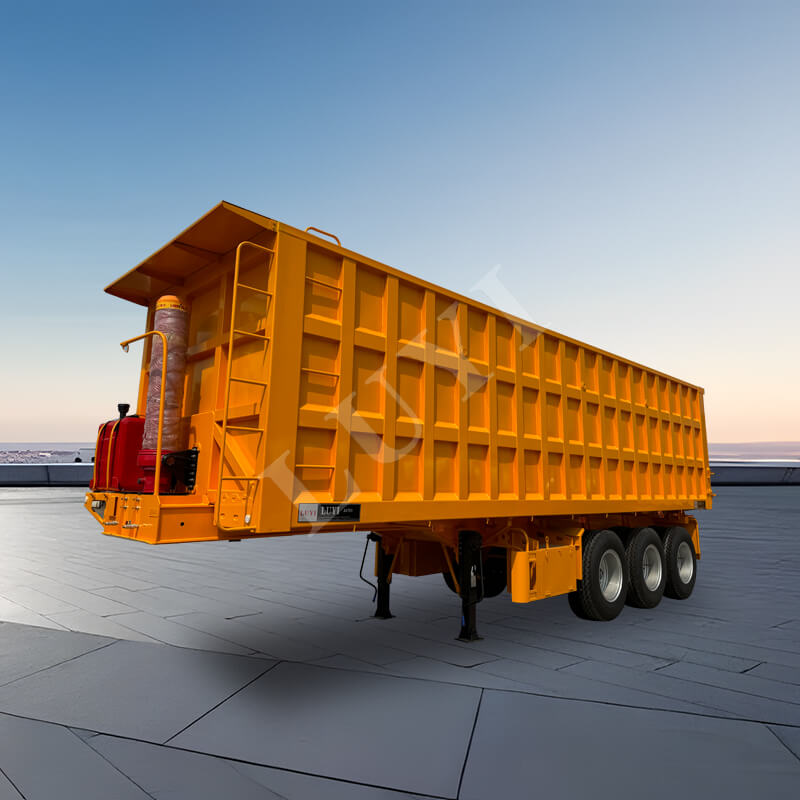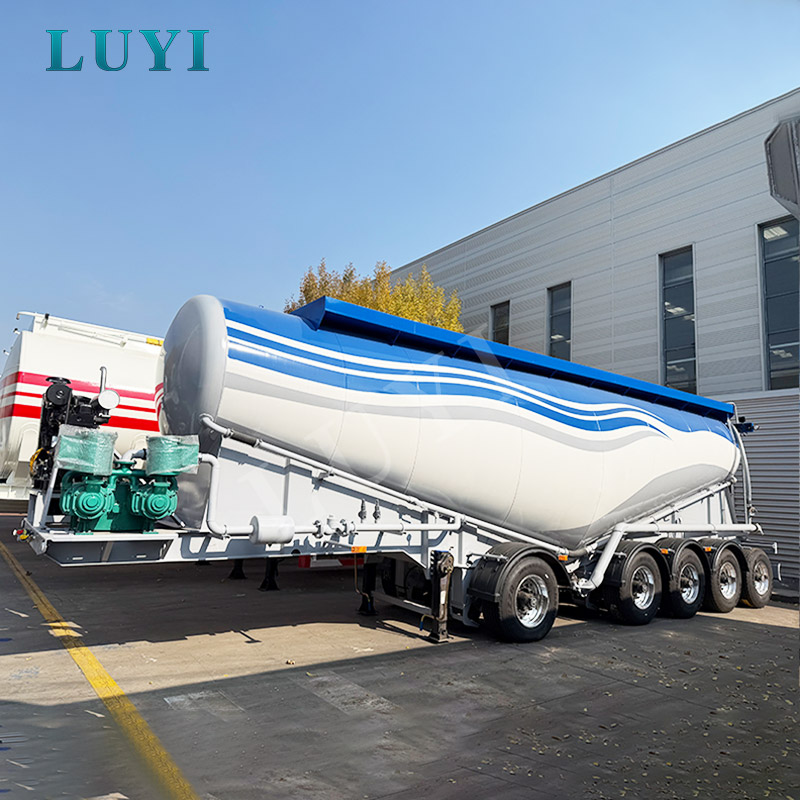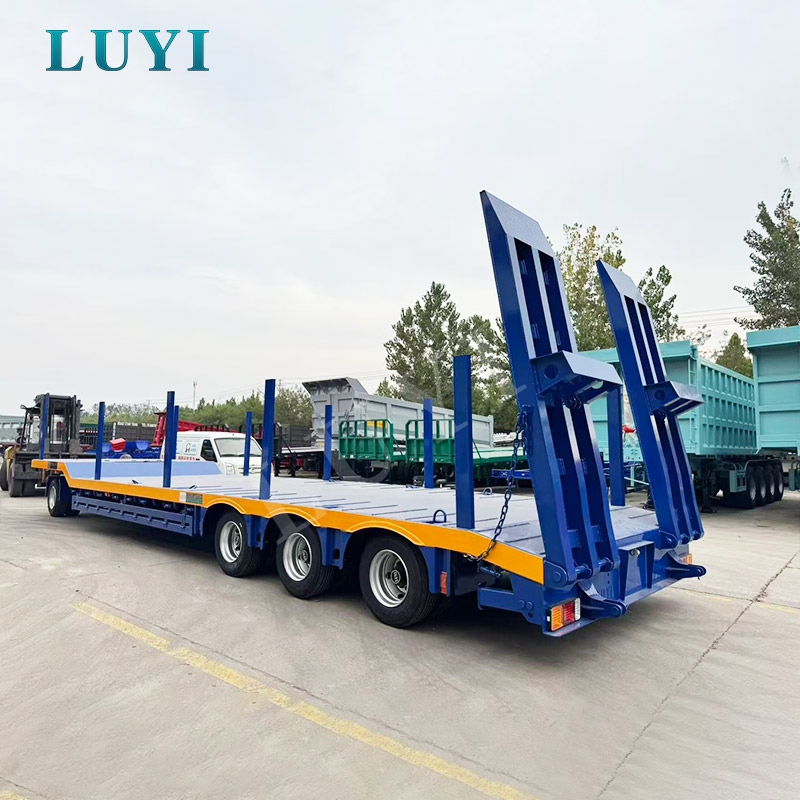

As a flatbed trailer maker with nearly two decades of production and overseas shipment experience, our team has compiled this hands-on seasonal maintenance guide for fleet owners and independent haulers. Flatbed trailers carry exposed heavy loads all year round, and shifting weather, UV sunlight, road salt and rain will wear down tires, brake assemblies, frame structures and lashing hardware fast. Without targeted seasonal care, small worn parts will trigger unexpected breakdowns on the road, bringing delayed shipments, emergency repair fees and wasted working hours. This maintenance manual is built on real-world hauling experience, official transport industry standards and third-party mechanical inspection rules, helping operators set up regular seasonal checklists to cut idle time and extend trailer service life. Reach out to our technical team for a full equipment assessment to avoid expensive roadside repairs and make your flatbed trailers last far longer.
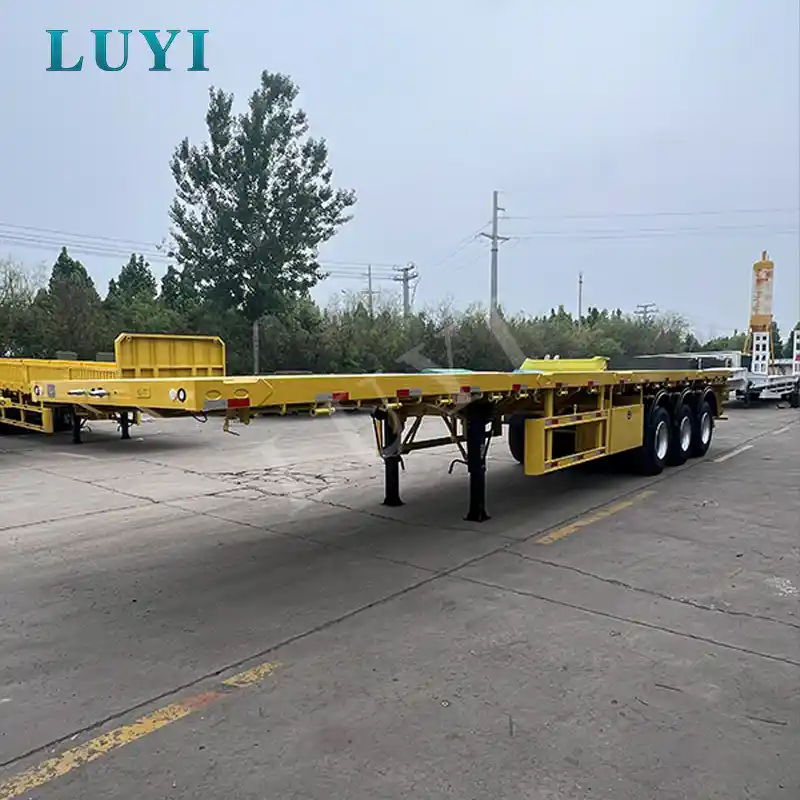
Most trucking businesses only fix broken components instead of sticking to preventive seasonal maintenance, which directly pushes up yearly repair spending. Many haulers actively search for practical upkeep solutions online, such as winter anti-rust treatment, summer tire protection and frame corrosion prevention, which shows seasonal maintenance is a top concern for logistics buyers. This guide follows reliable industry standards, drawing on our long-term manufacturing experience, hundreds of real fleet service projects, official equipment certifications and clear after-sales policies to deliver practical, problem-solving advice aligned with Google’s EEAT evaluation standards.
Road salt and frozen moisture left over from winter create hidden damage under the trailer frame. Start spring maintenance with a full underbody wash to flush away salt deposits on cross beams, brake chambers and welding joints—untreated salt will eat through metal structures within just a few months. Check every weld and kingpin plate for tiny cracks formed by repeated cold and warm temperature swings; small cracks left unaddressed will eventually require costly frame replacement. Refill wheel bearings with anti-rust grease and drain condensed water from air brake tanks every day, so trapped moisture won’t lock up brake valves again. Check all light wiring and protective sleeves, using conductive grease on connectors to stop short circuits caused by spring rains. Work through winches and ratchet binders, clearing rust build-up and applying mild lubricant to guarantee smooth load securing during deliveries.
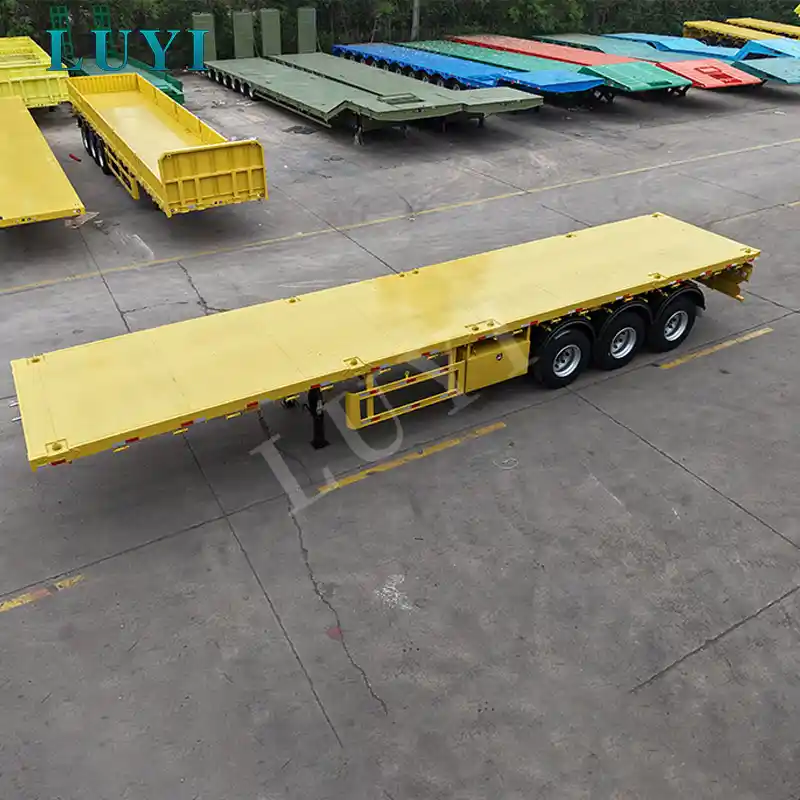
Continuous hot weather thins lubricants, weakens tires and rots wooden deck surfaces, three top causes of summer trailer breakdowns. Swap regular chassis grease for high-temperature versions to avoid grease leakage during long-distance runs. Check tire pressure while tires remain cool, strictly following factory inflation standards; most summer roadside stops stem from underinflated tires overheating and blowing out. Never splash cold water on hot tires, as sudden temperature changes will crack rubber layers. Re-coat wooden deck surfaces with waterproof sealant each summer to block UV rays and rain from rotting deck boards. Check brake lining thickness and replace overly worn parts to prevent brake overheating when traveling downhill on hot days. Clear all drainage gaps on side rails so rainwater won’t gather and speed up frame rust.
Fall maintenance acts as a buffer against expensive winter breakdowns. Coat all exposed undercarriage metal with anti-rust coating to resist road salt damage in icy months. Refill air brake antifreeze to stop pipeline freezes in low temperatures. Retighten suspension U-bolts to standard torque levels, as summer heat loosens fasteners and creates uneven axle weight distribution. Check tire tread depth and swap heavily worn tires before snow and ice reduce road grip, and prepare traction accessories for regular northern haul routes. Lubricate brake adjusters and S-cam sleeves thoroughly to prevent seized brakes under freezing weather. Keep unused lashing straps stored indoors, so autumn dew and frost won’t weaken their load-bearing capacity.
Our factory holds standard transport equipment certifications, and all replacement maintenance parts come with a long-term after-sales guarantee. Most fleet operators raise similar questions about seasonal upkeep. Many wonder how often full inspections should happen: complete deep maintenance before spring and fall, paired with quick weekly safety checks in summer and winter. Another frequent question covers minor rust spots—small rust areas need sanding, priming and sealing within two weeks, otherwise corrosion will spread and double frame repair costs. Plenty of logistics fleets have followed this seasonal maintenance routine, cutting unplanned downtime by over one-third and greatly lowering yearly repair expenses. Sticking to a fixed seasonal inspection cycle will keep your flatbed trailers running steadily and slash long-term operating costs.