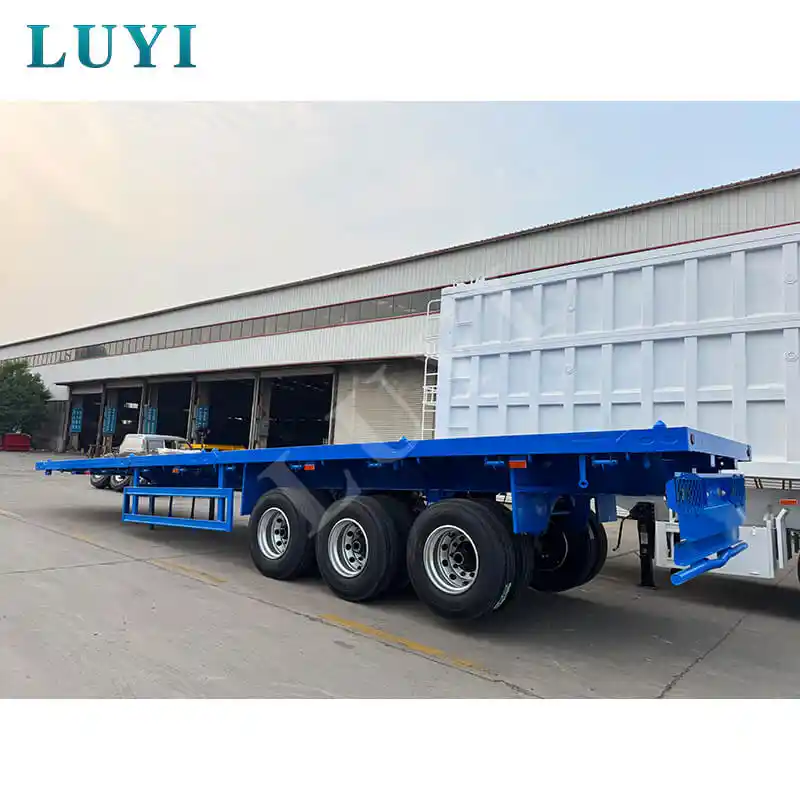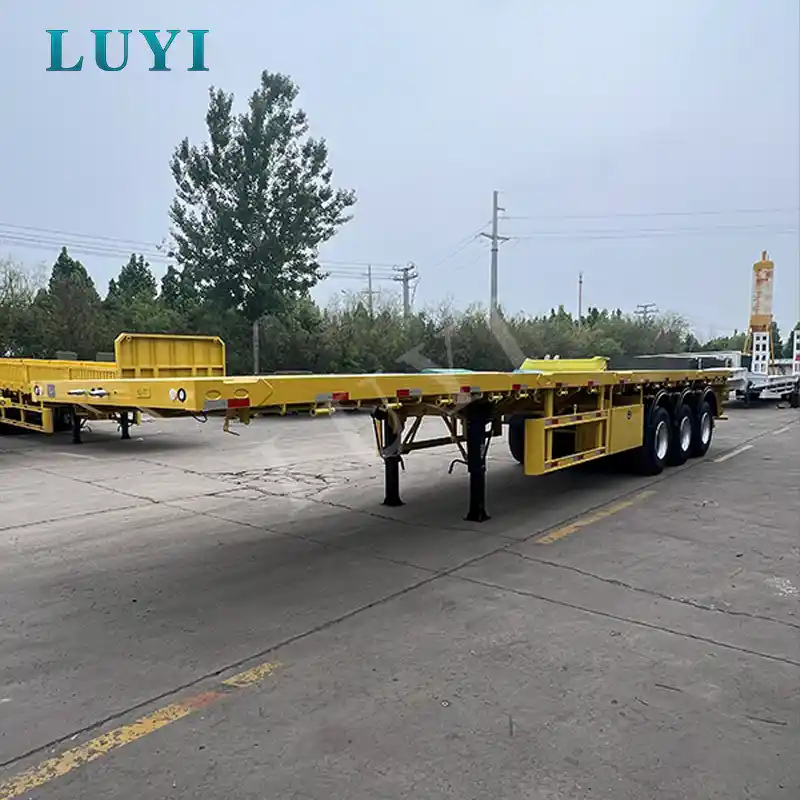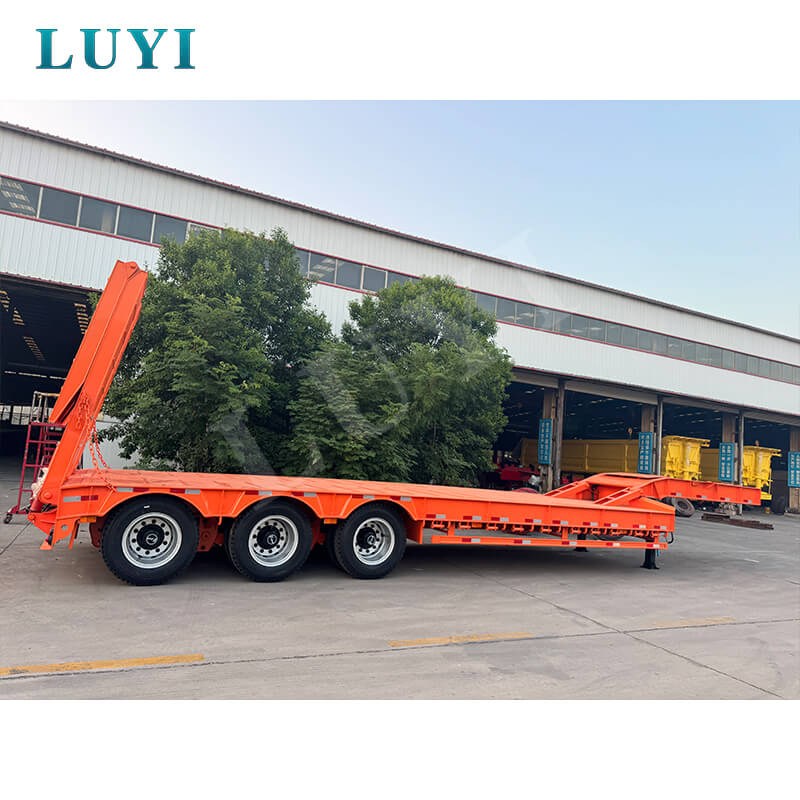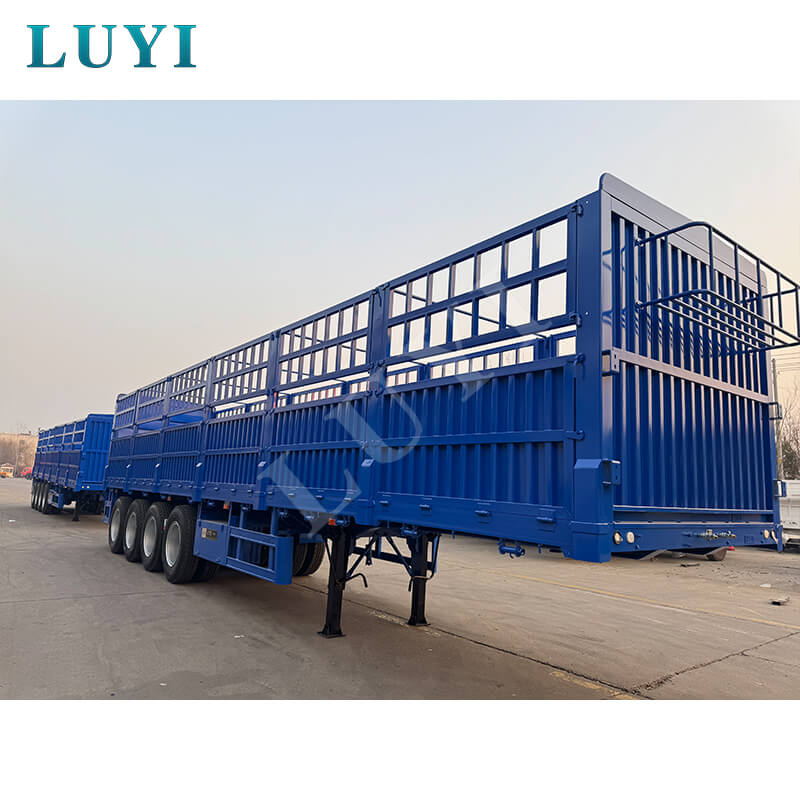

Anyone who’s worked in freight will tell you how hard it is to lock down flatbed trucks when holidays and busy shipping seasons roll around. Steel coils, construction lumber and oversized industrial equipment all depend on open flatbed units, yet driver shortages, rushed retail orders and unpredictable weather quickly drain available trailers. Many shipping businesses wind up with late deliveries, sky-high spot market fees and rejected haul requests, all because they skip simple long-term capacity planning. Drawing on real talks with carrier owners and years of hands-on logistics work, I’ve put together five practical ways to secure steady flatbed access without blowing your logistics budget.
Waiting until a month before holiday rushes to negotiate trailer space means you lose all bargaining power. Flatbed demand starts climbing two to three months ahead of peak windows: finalize yearly or seasonal carrier contracts in late summer for Christmas stock restocks, or early spring ahead of summer construction work. Aim to cover 70% to 80% of your regular flatbed shipments on main travel lanes with fixed-price contracts that include written trailer reservation guarantees.
Spot market prices can jump 30% or more during busy weeks, while contracted rates only creep up around 5% each year to keep costs steady. Keep regular weekly shipment volumes and skip rigid two-hour pickup slots in your contracts. Truck fleets hate long dock waits, as these delays cut drivers’ take-home pay and slow down equipment reuse. Add clauses for emergency backup capacity to cover sudden order surges; this builds genuine trust with carriers, making your loads a top priority when flatbeds grow scarce.
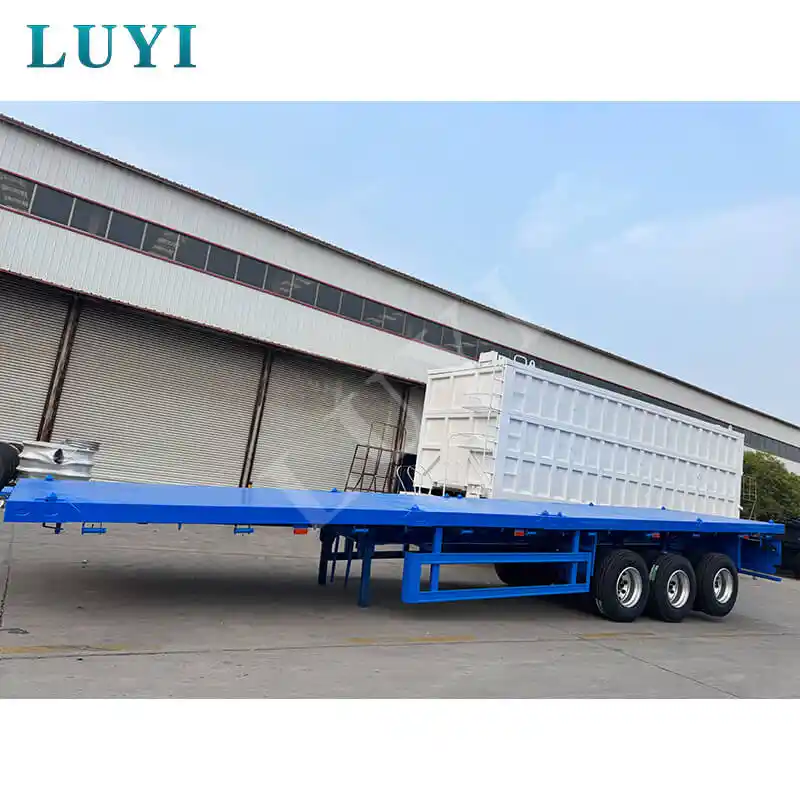
Sticking only to big national fleets guarantees capacity gaps every holiday season. These national companies spread their limited flatbeds across dozens of routes, leaving almost no spare gear for last-minute demand spikes. Bringing in regional flatbed specialists gives you access to idle trailers right when national fleets fill up. Local operators focus on smaller geographic areas, hold dedicated open-deck stock and dispatch trucks much faster, with fewer scheduling clashes over holiday driver time off.
Power-only partnerships serve as another solid safety net. If your warehouse yard can store empty drop flatbed trailers, these providers supply tractors and drivers without tapping their own flatbed inventory, instantly boosting your usable capacity. You can also work with trusted freight brokers who connect to thousands of independent owner-operators you cannot reach directly. A mixed supplier list removes the risk of relying on one single carrier, so you always have backup trailers when holiday demand overwhelms your main transport partners.
Flatbed carriers sort through hundreds of haul requests each day during peak seasons, and they always prioritize clients who don’t create extra headaches. Small tweaks to your daily operations push your shipments to the front of the line, even when trailers are nearly impossible to find. Set up a drop trailer program at your loading docks: leave empty flatbeds on-site for pre-loading, so drivers drop off full cargo and leave straight away instead of waiting hours in dock queues. Long detention waits and messy loading schedules are the two biggest reasons fleets turn down flatbed loads over major holidays.
Sort out all flatbed paperwork before drivers arrive, including weight checks, oversized load permits and clear delivery documents, and send digital copies via email ahead of pickup. Offer flexible 12 to 24-hour pickup and delivery windows instead of tight fixed time slots, and agree on fair hourly detention pay for unavoidable hold-ups. Consistent, low-hassle shipments earn permanent priority status; carriers will assign their limited flatbeds to reliable, easy-to-work-with clients first when supplies run thin around Thanksgiving, Christmas or summer construction peaks.
Not every oversized shipment truly needs a standard flatbed, and rerouting flexible, low-priority freight eases competition for limited open-deck units during holiday rushes. For long-distance hauls over 750 miles with loose delivery deadlines, intermodal rail flatcars deliver reliable capacity when highway flatbeds vanish from public load boards. Steel beams, timber and non-time-sensitive factory parts ship smoothly via rail intermodal decks, cutting peak shipping costs by 10% to 30% while saving highway flatbeds for rushed short-distance deliveries.
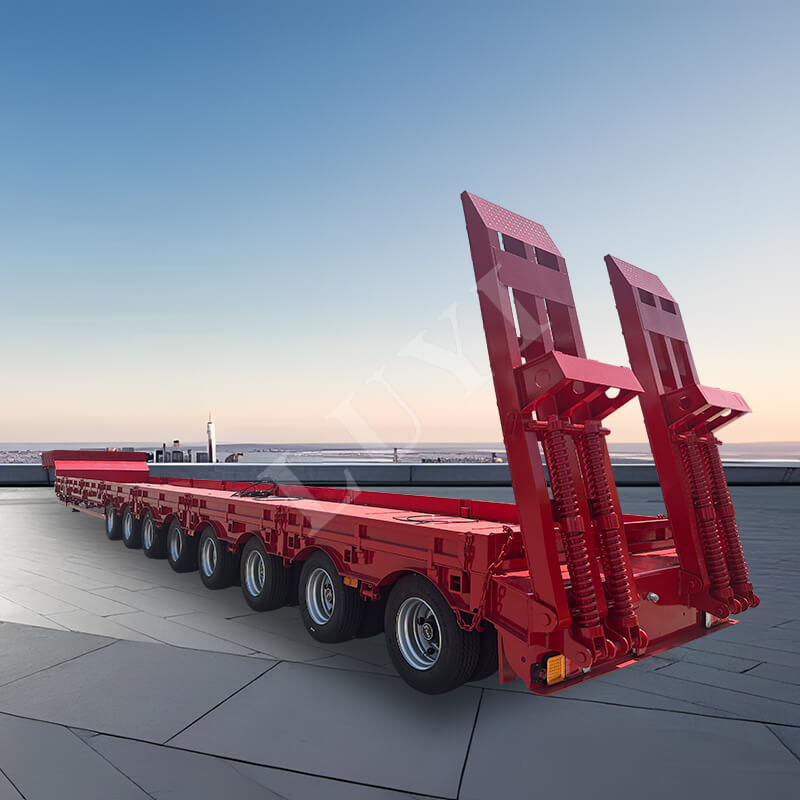
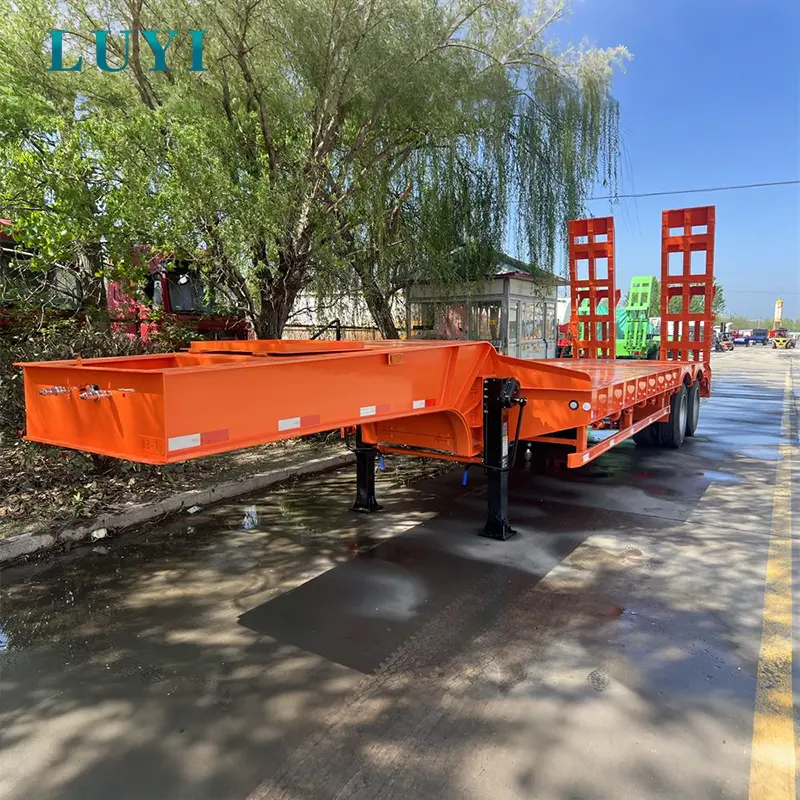
Don’t only book standard 48-foot flatbeds; step-deck and removable gooseneck trailers often stay available once regular units sell out. Combine scattered small flatbed shipments into full truckloads to lower your total number of required trailers, and explore partial-load consolidation for lighter oversized goods. This simple flexibility cuts your overall flatbed demand and keeps you from scrambling for last-minute open-deck units when holiday retail and construction demand collide.
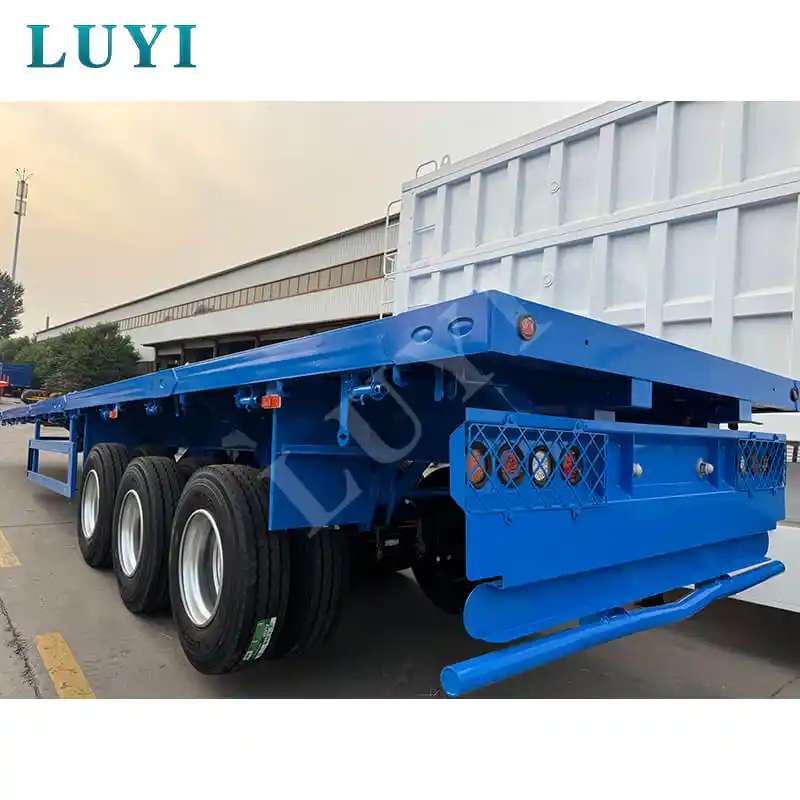
Last-minute flatbed bookings almost always lead to inflated spot prices and missed delivery deadlines, so consistent seasonal forecasting is non-negotiable. Pull two to three years of your company’s flatbed shipping records to spot repeating holiday volume spikes and regional capacity bottlenecks. For example, flatbed demand surges across the Southeast each autumn as construction crews finish projects before winter cold hits, while nationwide retail holiday restocking drains open-deck trailers countrywide through mid-December.
Share your quarterly and holiday shipment projections with every contracted carrier three to four months before peak periods kick off, and reserve dedicated flatbed blocks for your busiest weeks ahead of time. Factor extra buffer capacity into each forecast to cover unexpected order surges, supply chain delays or weather disruptions. Lock in pre-negotiated backup spot pricing with secondary fleets instead of posting loads on public load boards during holidays, where available trailers disappear within minutes of posting. Planning far ahead lets you claim flatbed space before competitors flood booking channels, stabilizing your whole seasonal shipping schedule.
Flatbed shortages during holiday shipping surges follow predictable patterns and don’t have to break your supply chain. Pairing long-term carrier contracts, a diverse supplier list, streamlined loading workflows, flexible freight routing and forward-looking demand forecasting creates a reliable buffer against market shortages. Shippers using these five tactics keep steady access to open-deck trailers, avoid overpriced spot rates and protect on-time deliveries for all heavy, oversized cargo all year round. Nurturing long-term carrier relationships and staying operationally flexible brings far more logistics stability than rushing to hunt for trailers at the very last minute once holiday demand uses up all available flatbed supplies.