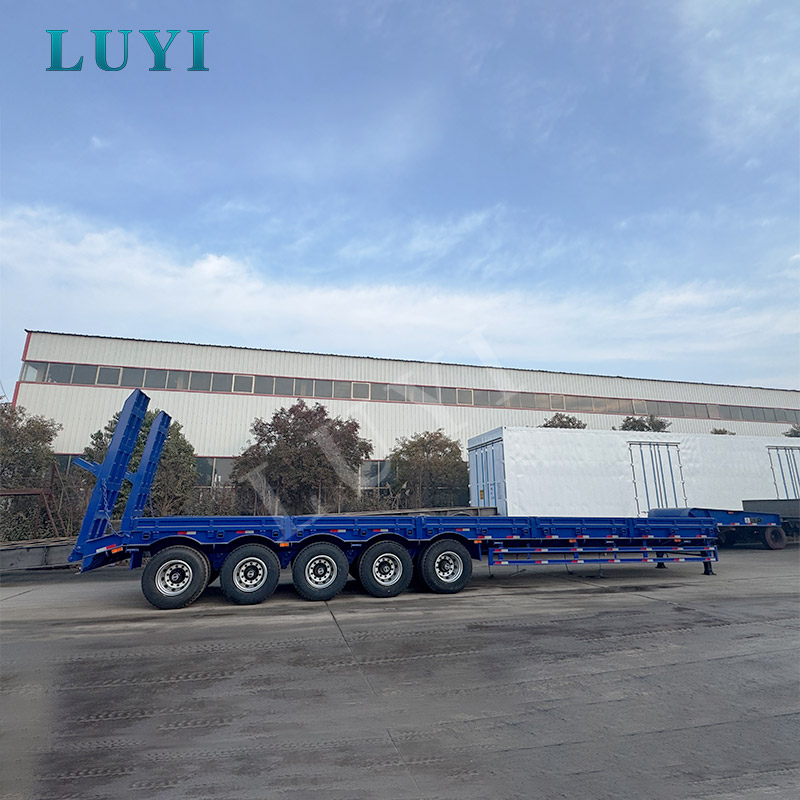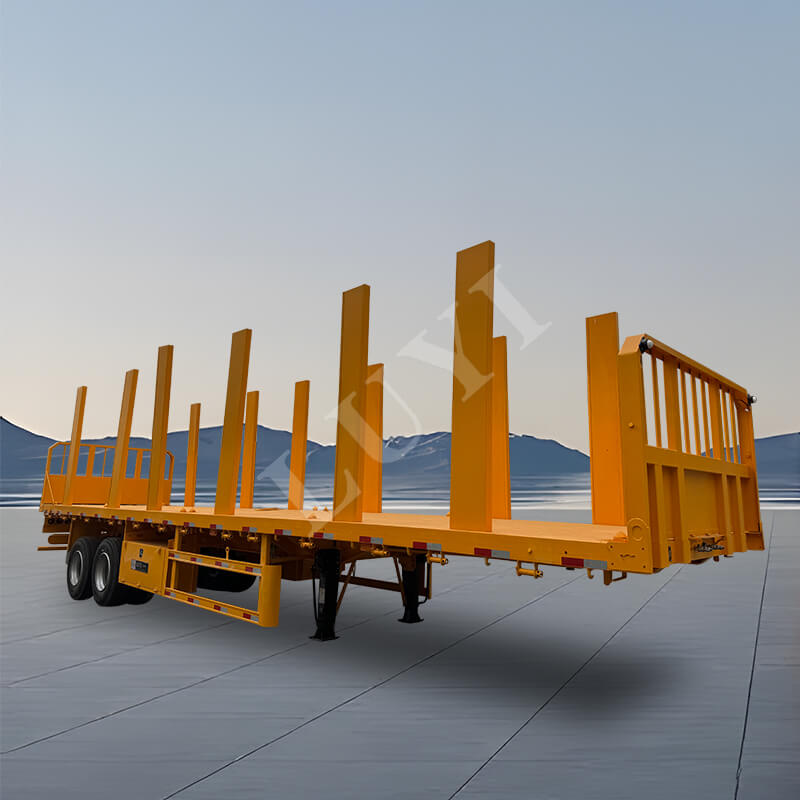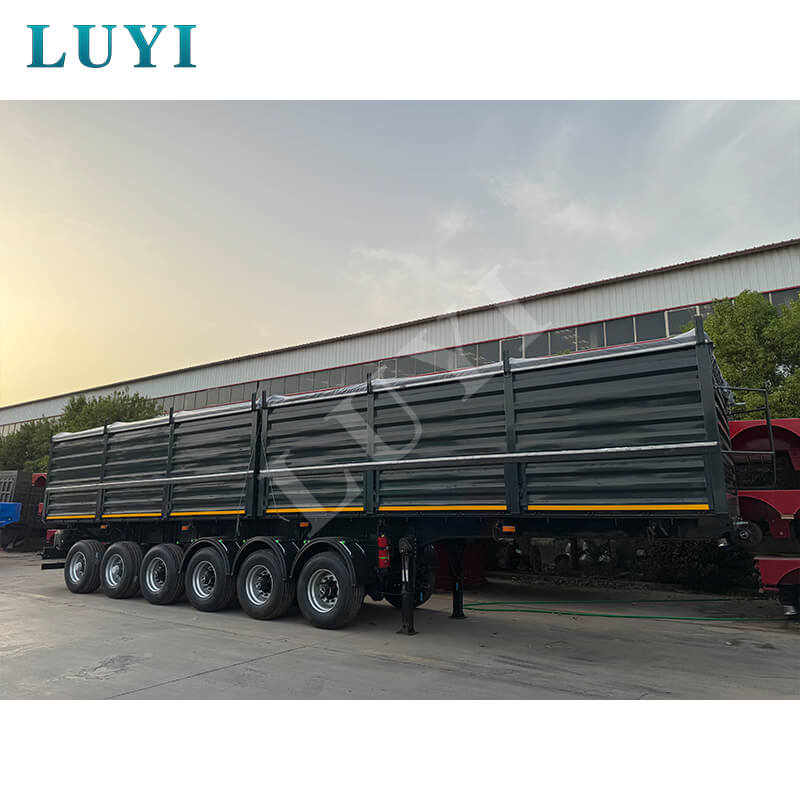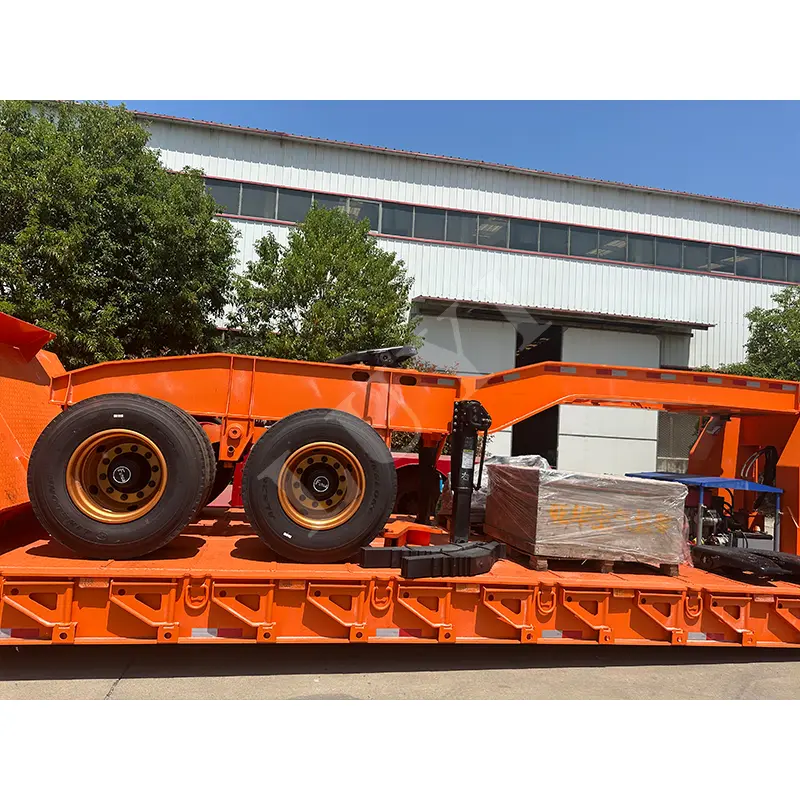

For construction fleet managers, farm logistics operators and industrial transport contractors, picking the right trailer to move heavy machinery directly shapes delivery speed, compliance costs and job profitability. Many haulers struggle to tell apart flatbed and step deck trailers when planning shipments of excavators, compact loaders, industrial generators and farm harvesters. There is no universal winner between the two models—your final choice depends entirely on your machine height, regular hauling routes, local highway rules and day-to-day loading workflow. Drawing on over 15 years of hands-on experience serving haulage firms across more than 40 global markets, this piece breaks down real-world pros and cons of each trailer without generic template language.
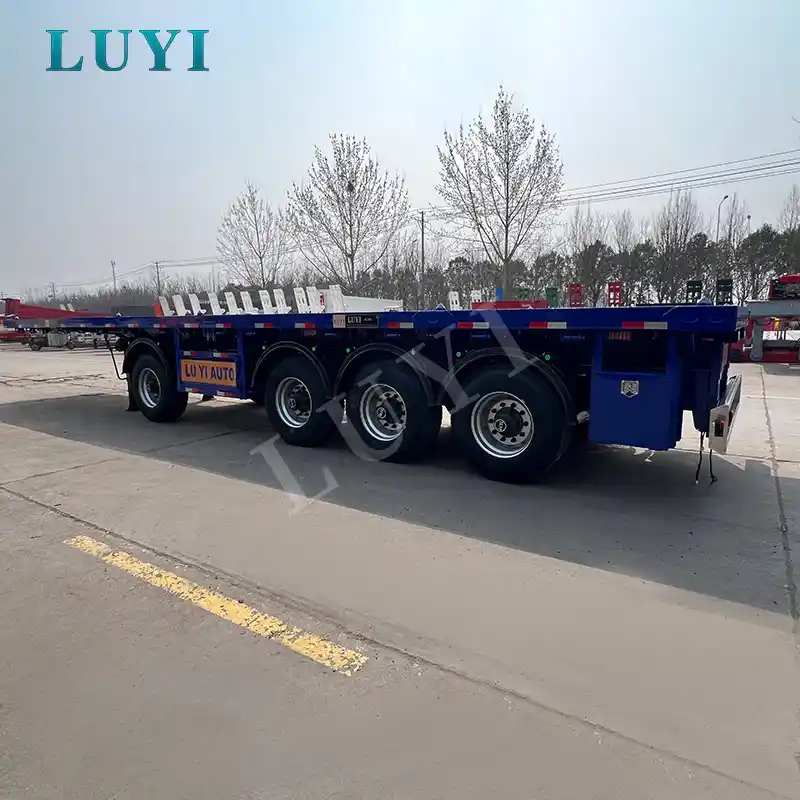
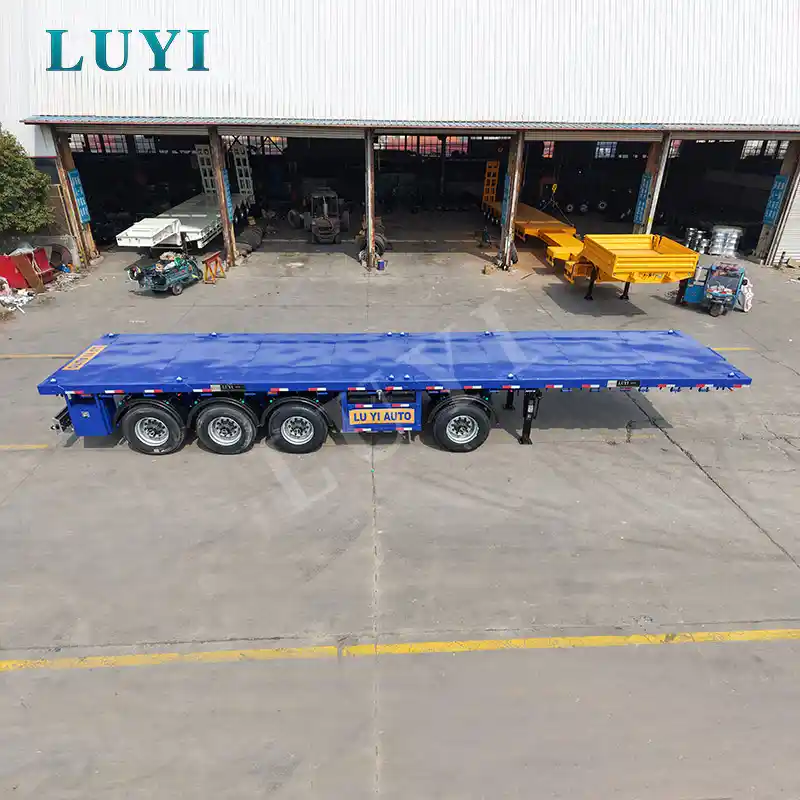
Starting with basic deck layout, the two trailers are built to solve totally different transport pain points. A regular flatbed comes with one continuous, level platform sitting around 60 inches above road surface. Without any drop or height change across the full deck, crews can approach heavy machinery from every side using overhead cranes, yard forklifts or side loaders. This all-around access slashes loading time for short-distance site runs, especially when moving low-profile gear such as small mining drills and compact welding units that stay under 8.5 feet in total height. On typical local construction jobs, our long-term hauling partners often mention flatbeds cut loading labor time by nearly a third compared to step deck alternatives, thanks to zero structural barriers blocking equipment access.
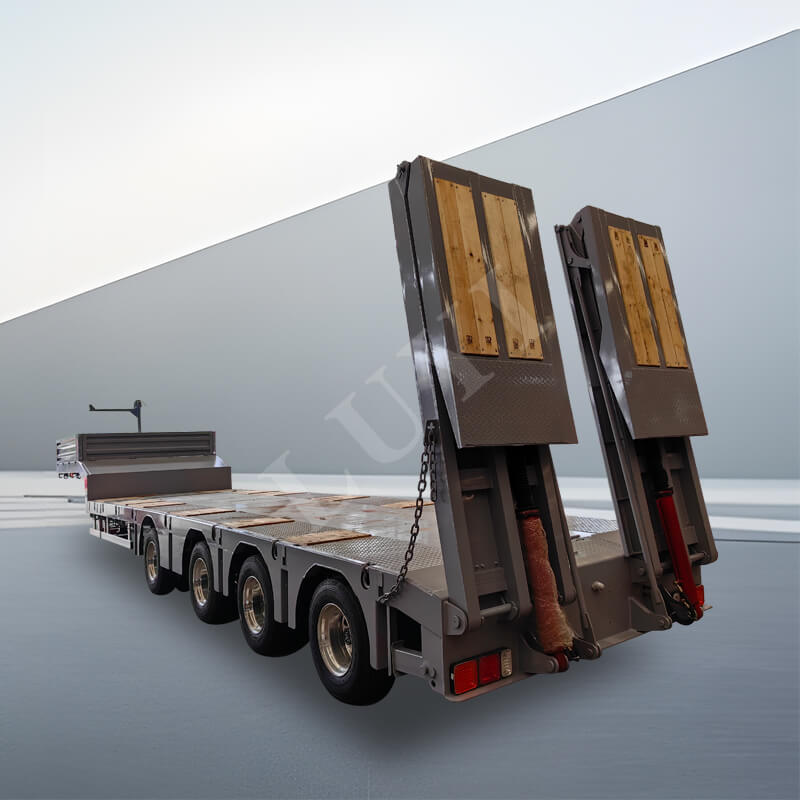
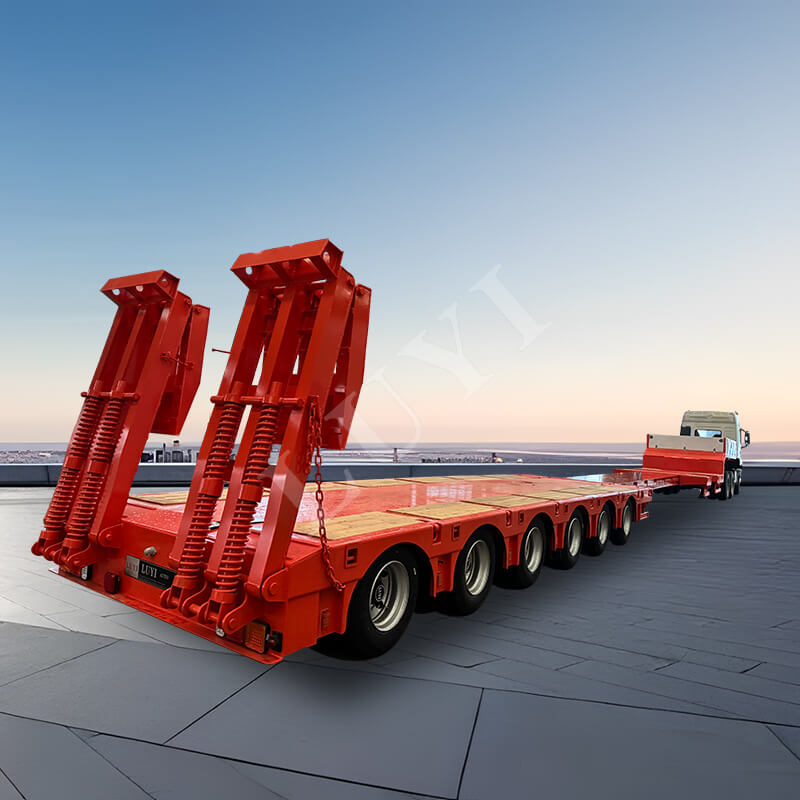
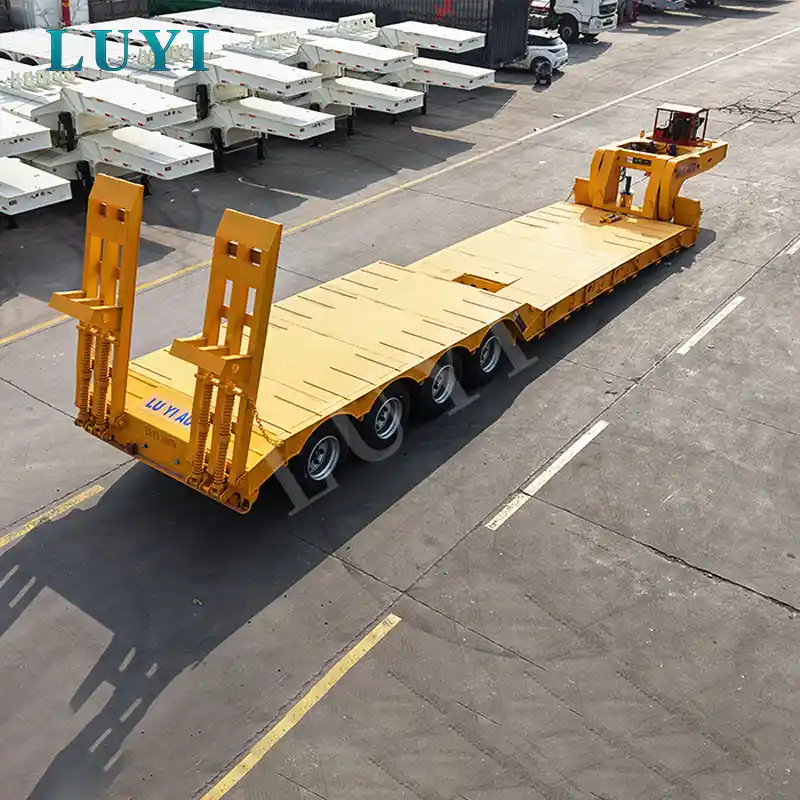
Step deck trailers, also widely called drop deck trailers, split their platform into two separate levels. The short front upper section matches the height of a standard flatbed, while the longer rear deck drops 18 to 24 inches lower, resting just 34 to 42 inches off the pavement. This lowered rear section is where the biggest advantage shows for tall heavy equipment. Most regional highway authorities enforce a maximum legal load height of 13 feet 6 inches. When loaded on a flatbed, machinery taller than 8.5 feet will push total height over this limit, forcing companies to buy costly oversize permits and hire escort vehicles for every trip. The extra vertical room from a step deck’s lowered rear lets operators haul tall gear like large crop harvesters, vertical industrial compressors and full-size mid-tier excavators without extra regulatory paperwork. Many long-distance haulage clients we cooperate with note they slash permit and escort spending by roughly 40% after switching to step deck trailers for tall machinery shipments, particularly on cross-state routes lined with low highway overpasses.
Payload limits and load stability create an unavoidable tradeoff haulers need to weigh carefully. Flatbed frames feature a simpler build with fewer reinforced transition beams, which keeps the trailer’s empty weight lighter. A standard 53-foot flatbed can legally carry between 46,000 and 48,000 pounds of heavy equipment, with weight spread evenly across its axles for steady handling on winding rural construction roads. The fully level deck also makes securing wide, evenly weighted machinery much simpler; chains and tie-down straps lay flat without uneven gaps, lowering the risk of load shifting during sudden braking or steep highway climbs. For fleets that mainly move low, ultra-dense heavy gear such as steel processing equipment, flatbeds deliver the maximum legal payload and consistent road stability for every run.
Step deck trailers lose a portion of usable payload to gain vertical clearance. Extra heavy-duty bracing at the step joint adds 1,000 to 5,000 pounds to the trailer’s empty weight, which cuts the maximum load capacity by 2,000 to 5,000 pounds under identical gross weight limits. While the low rear deck creates a lower center of gravity that stabilizes top-heavy machinery like high-cab bulldozers and tower light rigs, the uneven deck surface creates extra work during loading. Crews have to add custom wooden blocking to level equipment over the step gap, which adds extra handling steps and extends onsite work time. This payload compromise makes step decks a poor fit for businesses that mostly haul low, dense machinery that never hits standard height restrictions.
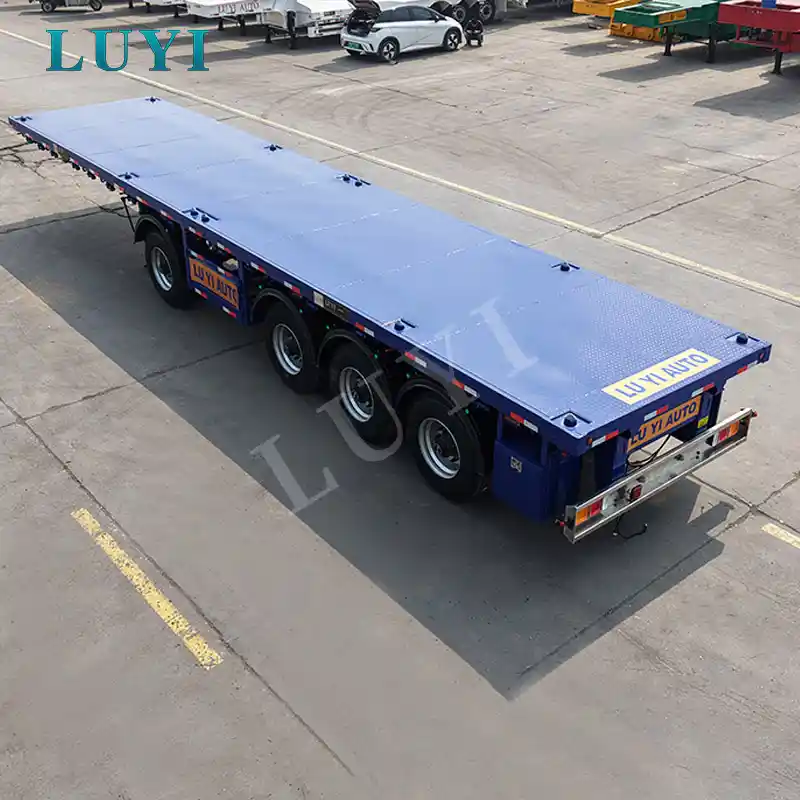
Upfront purchase costs and ongoing maintenance also widen the gap between these two trailer styles. Flatbed trailers carry a lower entry price and far fewer regular upkeep needs. Their straightforward single-level frame has minimal stress points, so teams only need to run routine checks on tires and brakes between shipments. Small local contractors and short-haul operators that move standard heavy machinery every single day nearly always stick with flatbeds to keep monthly overhead under control. Step deck trailers cost more to buy new and demand more frequent structural inspections around the deck transition zone. Constant heavy weight pressing on the step joint can create tiny stress cracks after thousands of hauling miles, requiring regular patching and reinforcement work. Even so, these extra long-term expenses balance out for firms that regularly ship tall equipment, as avoided permit and escort fees add up to massive yearly savings on cross-country transport jobs.
How can you settle on the right trailer for your own heavy haul workflow? Go with a flatbed if most of your machinery stands shorter than 8.5 feet, you want to maximize legal payload on every trip, and fast, flexible multi-side loading is your top priority for frequent local construction deliveries. Pick a step deck trailer when your core freight includes tall excavators, large farm harvesters, vertical industrial generators or any machinery that would trigger oversize regulations on a flatbed—this choice works best for cross-state routes with tight height limits on bridges and overpasses.
There is no one-size-fits-all trailer solution for every heavy haul task. Experienced transport specialists with certified trailer manufacturing knowledge always match machine dimensions, route restrictions and regular shipment volume to pick the most practical platform, balancing transit safety, regulatory compliance and overall job costs for every equipment delivery order.