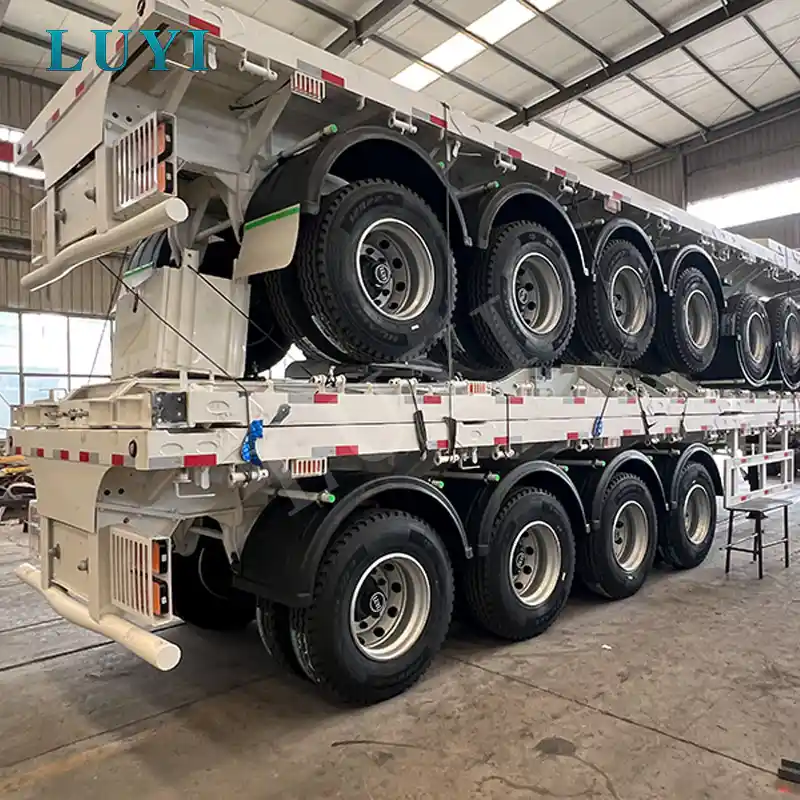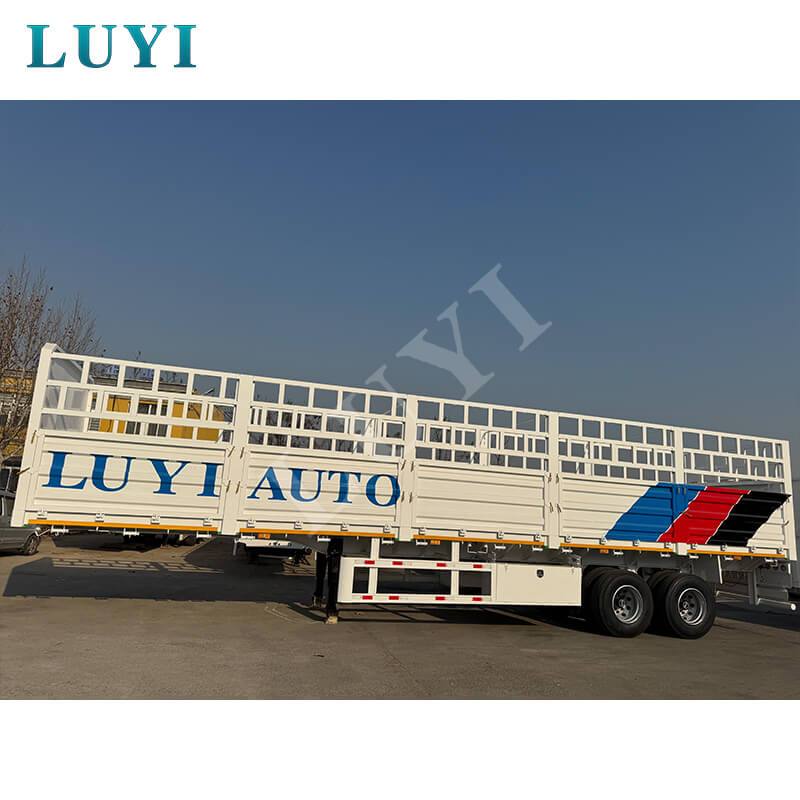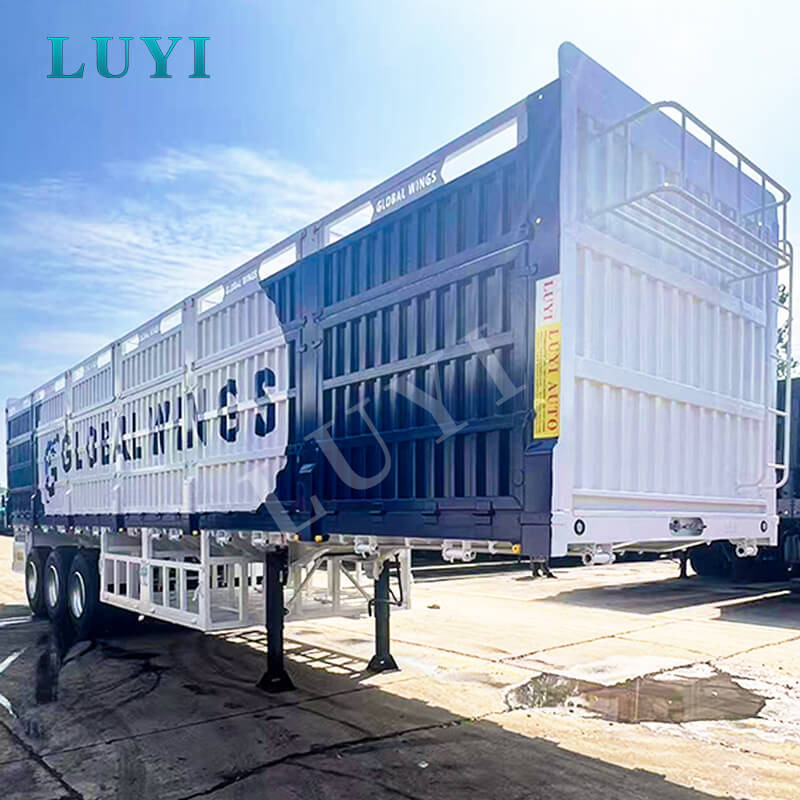

For haulage firms, independent truck operators and bulk trailer buyers operating in 2026’s tight-margin logistics space, picking the right lightweight flatbed trailer material directly shapes daily payload limits, yearly fuel bills and how long your equipment stays functional. This buyer’s guide draws on on-site manufacturing know-how, third-party load testing data and real fleet feedback, laying out the pros and cons of high-strength steel, full aluminum and composite builds without generic template content, answering the core question every importer and fleet manager searches online.
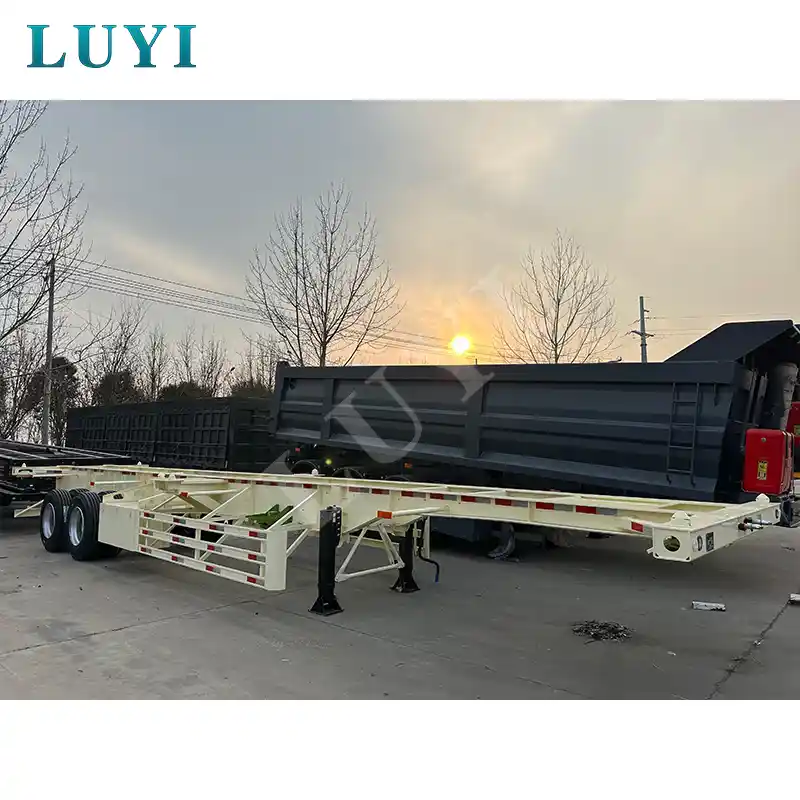
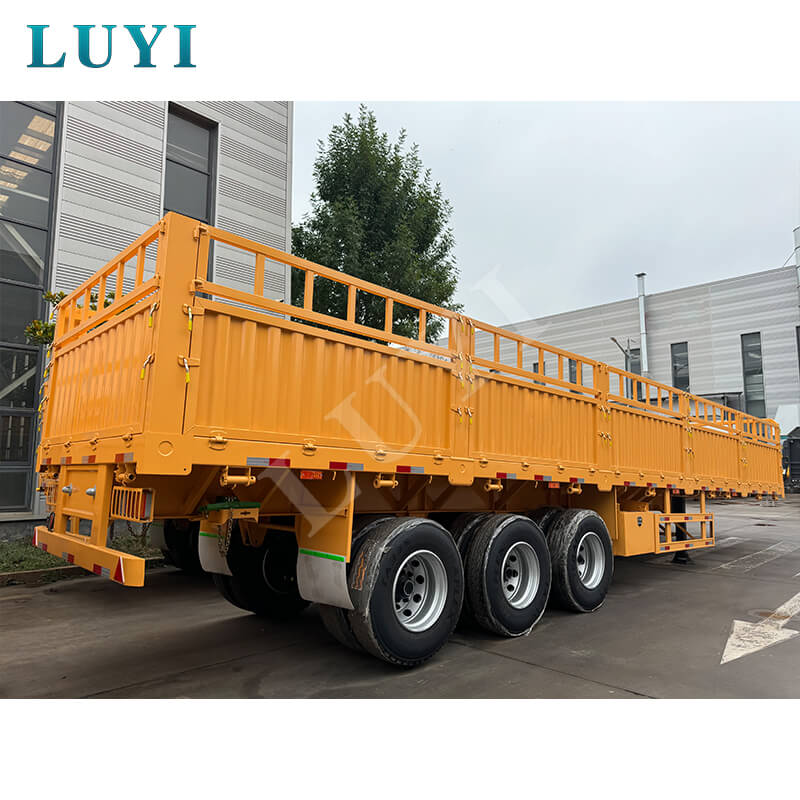
High-strength steel remains the most widely used frame material for entry-to-mid-tier flatbed trailers, favored by small regional haulers and construction transport teams. Manufacturers refine high-tensile steel beams to shed unnecessary weight without sacrificing load-bearing capacity, with standard grades meeting international transport load standards to handle heavy machinery, steel beams and stacked building materials on rough rural job sites. Its biggest practical upside comes from cost and service convenience. Raw steel costs stay far more stable than aluminum, slashing upfront purchase expenses for buyers working with fixed equipment budgets. Local repair shops almost always carry steel welding tools and replacement parts, so dented frames or cracked cross-members can be fixed quickly without tracking down specialized technicians. Hot-dip galvanized coatings slow surface oxidation, though regular upkeep is non-negotiable for fleets running along coastal highways or winter routes treated with de-icing salt. The biggest downside of steel builds is their heavy dead weight. A standard 40-foot steel flatbed weighs significantly more than its aluminum equivalent, cutting down legal cargo capacity and adding consistent fuel costs over thousands of highway miles. This material works best for short-distance local runs, construction fleets and operators who prioritize cheap, accessible repairs over maximum payload gains.
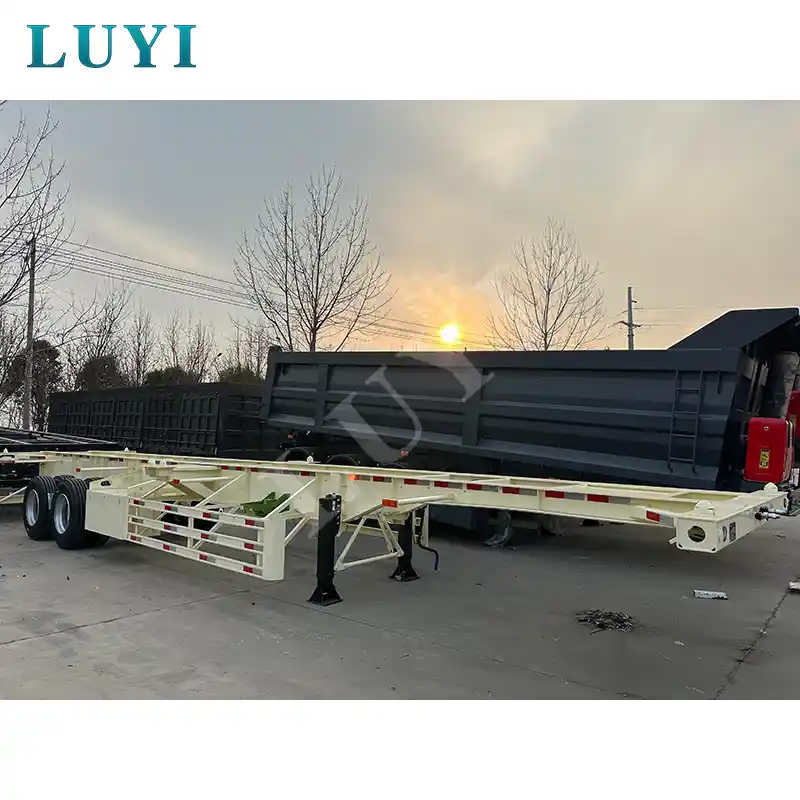
All-aluminum flatbed trailers have grown into the go-to choice for long-haul cross-country fleets in 2026, constructed from industrial-grade 6061 and 5052 extruded aluminum for frames, deck panels and tie-down rails. Aluminum’s low density trims substantial tare weight off full trailer assemblies, letting carriers load more goods per trip while staying within road weight regulations. Unlike steel, aluminum forms a natural oxidation layer that stops rust from spreading, eliminating yearly anti-corrosion painting fees for fleets operating in humid coastal regions or rain-heavy transport corridors. From our years of manufacturing and exporting flatbed trailers, we’ve seen aluminum units retain far better resale value after five or six years of active use, plus custom extruded rails support flexible winch and strap setups for different cargo types. That said, aluminum has clear limitations buyers need to consider. The metal bends easier under sharp, concentrated forklift impacts, so factories must install denser cross supports to avoid long-term weld failures. Fixing damaged aluminum frames calls for certified TIG welding experts, which pushes up maintenance bills compared to steel repairs. Higher base material costs also make all-aluminum trailers a bigger upfront investment, making them most cost-effective for fleets running steady highway routes with uniform palletized cargo.
Fiber-reinforced composite flatbed trailers stand as the fastest rising lightweight solution for premium logistics operations in 2026, built with layered fiberglass polymer panels that cut out heavy metal framing entirely. Composite construction delivers the lightest base weight of all three material options, with complete resistance to rust, road chemical erosion and extreme temperature shifts across desert and cold-climate delivery zones. Minor bumps from shifting cargo or road debris get absorbed by the flexible panel structure, so flatbed decks rarely develop permanent warps that damage loaded goods. Zero rust maintenance and fully recyclable components also help modern fleets meet strict environmental transport rules across Europe and North America. Even with these standout perks, composite trailers haven’t yet become a mainstream pick for most haulers. Production costs sit well above both steel and aluminum builds, and dedicated composite repair facilities are hard to find outside major port cities. Industry testing data also lacks long-term records on heavy concentrated loads, so these trailers are not recommended for moving construction machinery or dense industrial parts. They fit luxury freight, light consumer goods delivery and eco-focused fleets aiming to cut long-term equipment upkeep work.
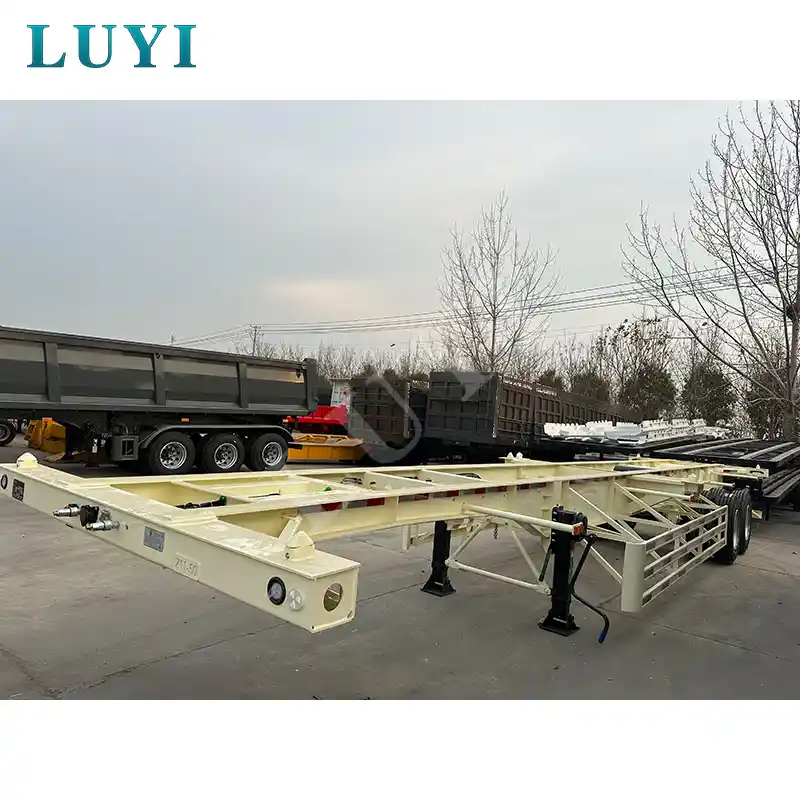
Final material choices hinge on each fleet’s daily hauling tasks and long-term cost targets. High-strength steel delivers affordable toughness for short-haul construction work, aluminum unlocks higher payload and corrosion protection for long-distance highway runs, while composite builds cater to low-maintenance premium light cargo transport. Trusted trailer manufacturers provide one-on-one material consulting, independent load inspection reports and multi-year service guarantees to clear up buyer doubts. Whether you buy trailers for domestic distribution or cross-border export, weighing tare weight, recurring maintenance labor and total multi-year ownership expenses will point you to the ideal lightweight flatbed material for your fleet’s profit goals.
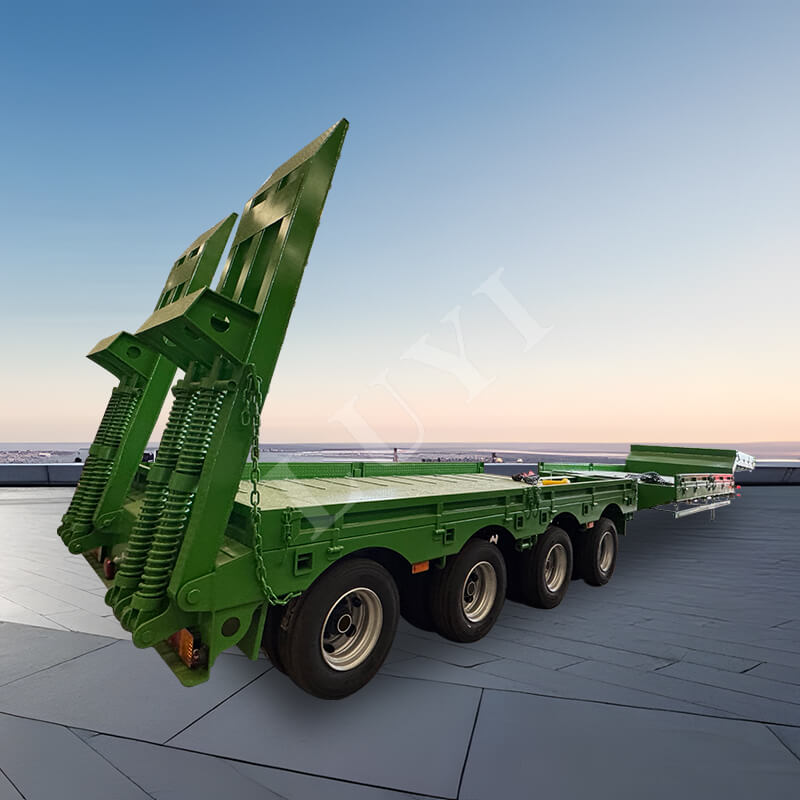

![The Complete Lowbed Trailer Maintenance Checklist [Extend Lifespan & Safety]](https://www.luyi-auto.com/upload/8161/20260720144848213606.webp "The Complete Lowbed Trailer Maintenance Checklist [Extend Lifespan & Safety]")