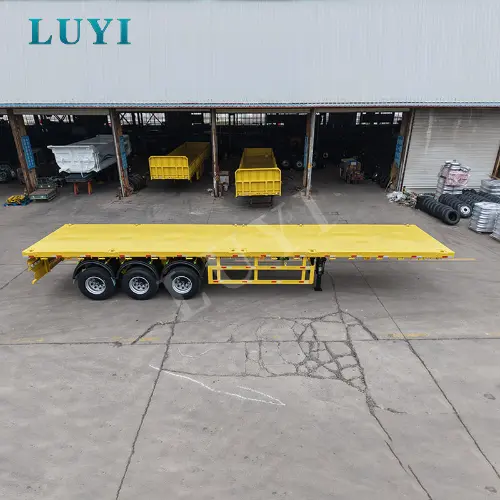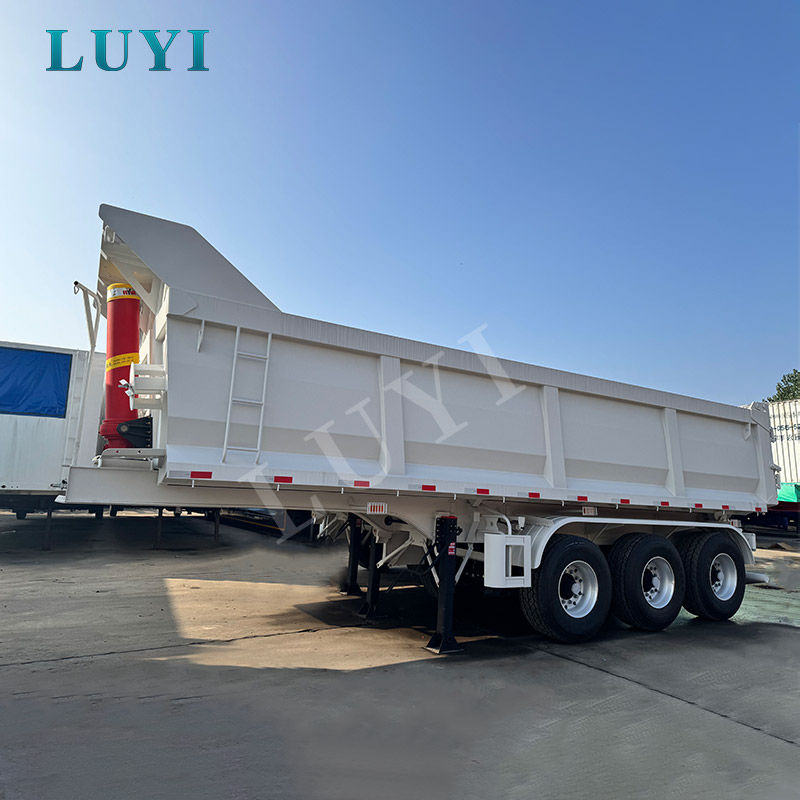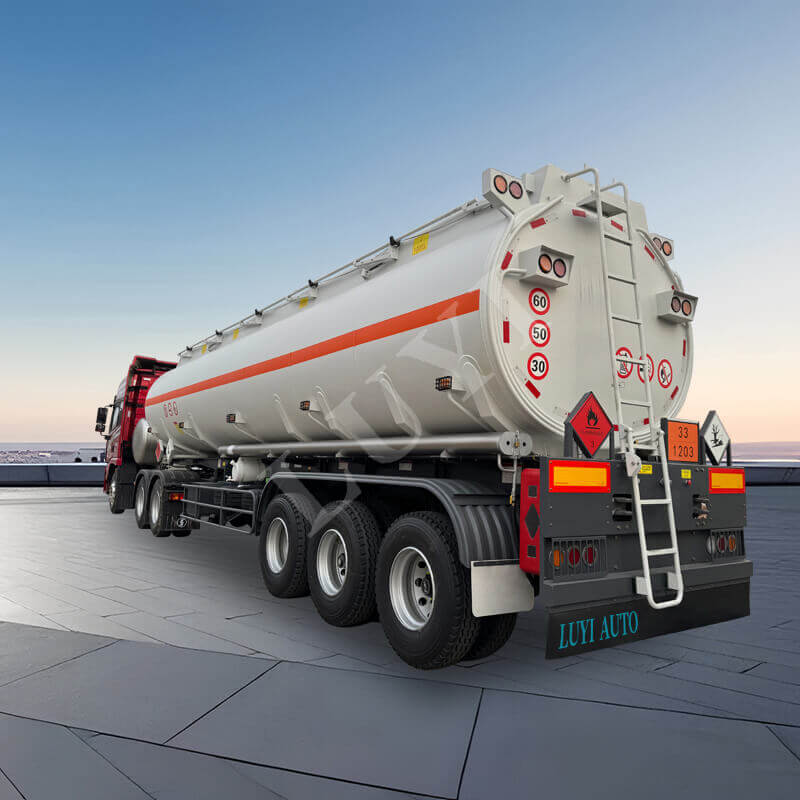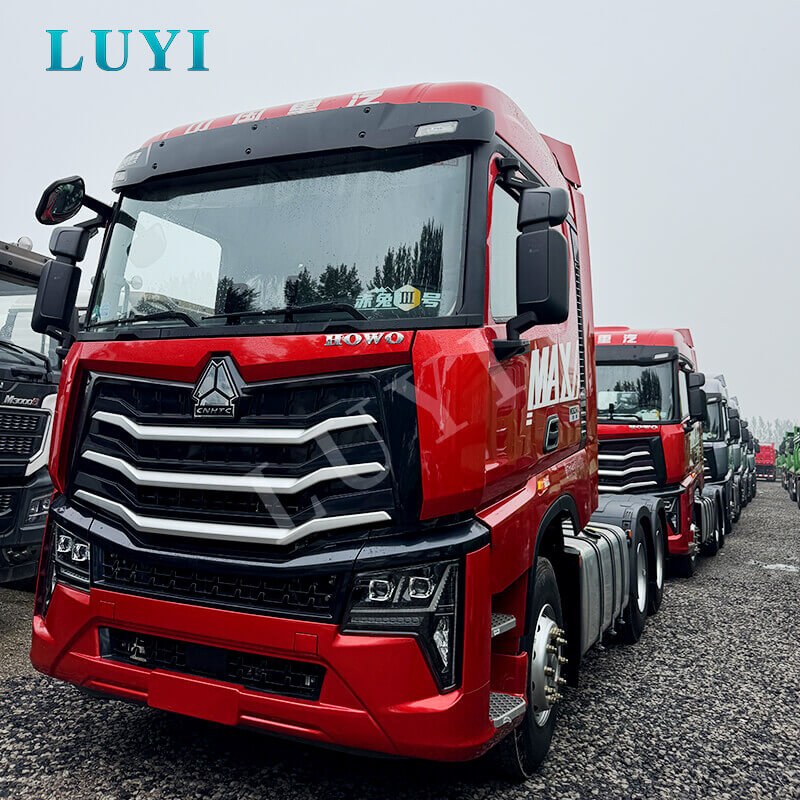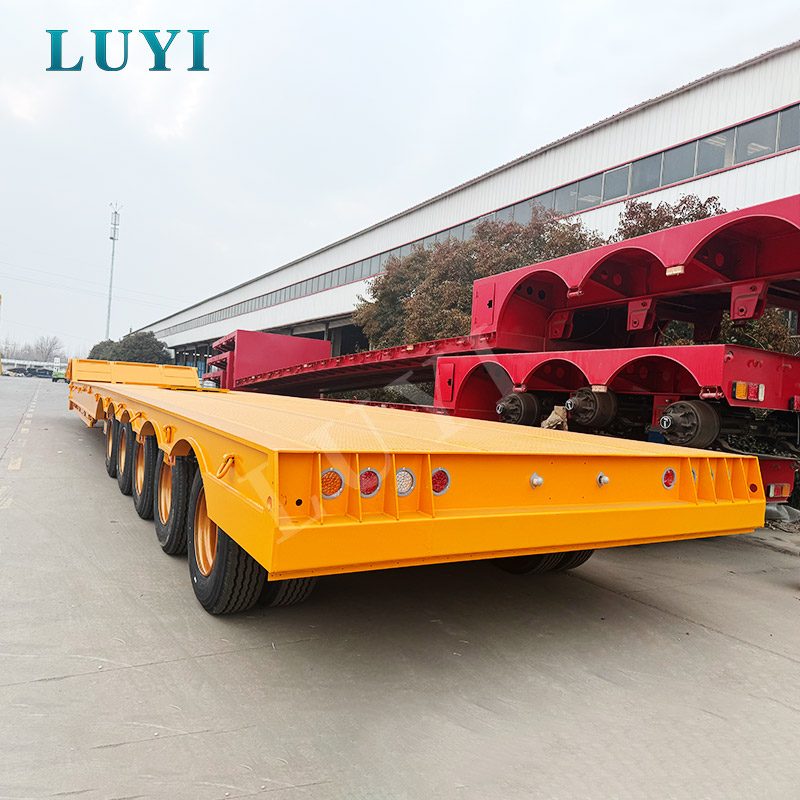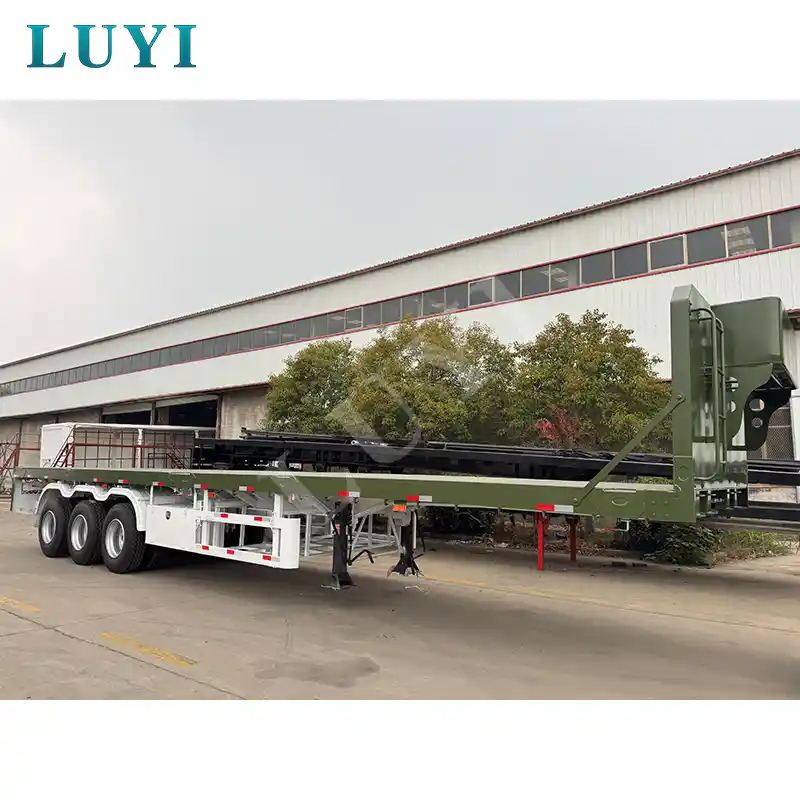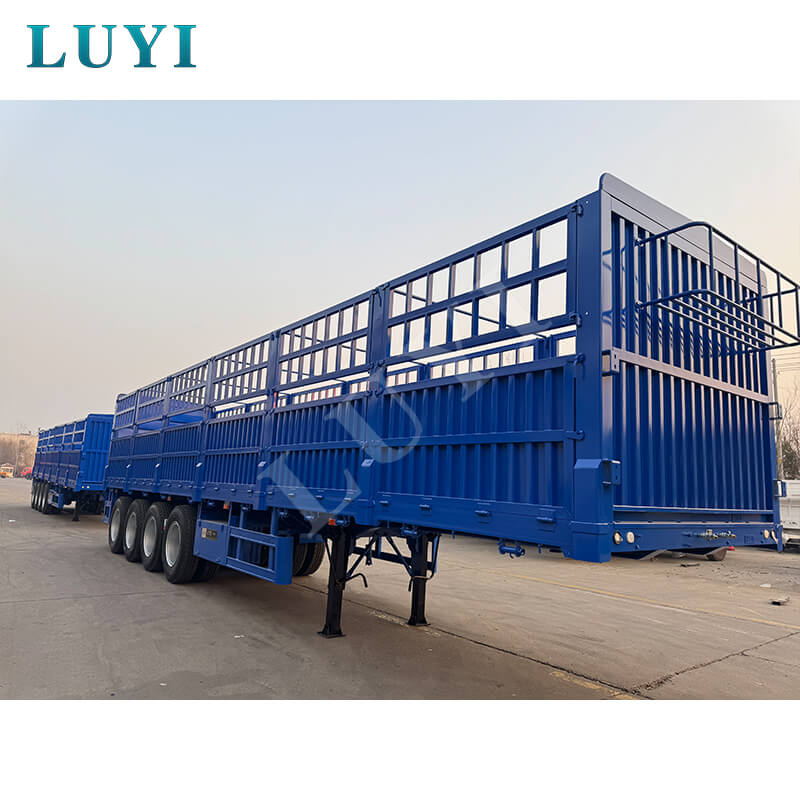

Fuel prices have stayed at elevated levels across global freight routes for years, hitting flatbed transport fleets harder than most other haulage businesses. Any extra fuel burned each day eats straight into fleet profits, and many dispatch managers only focus on engine maintenance or tire pressure to cut running costs, ignoring wind drag that bleeds fuel nonstop at highway speeds. Open flatbed trailers naturally create far more air resistance than closed box trailers, as there is no solid wall to streamline airflow over the load and frame. Simple aerodynamic add-ons offer an affordable fix that does not limit how operators stack and secure cargo, making them a reliable long-term cost control tool during periods of expensive fuel.
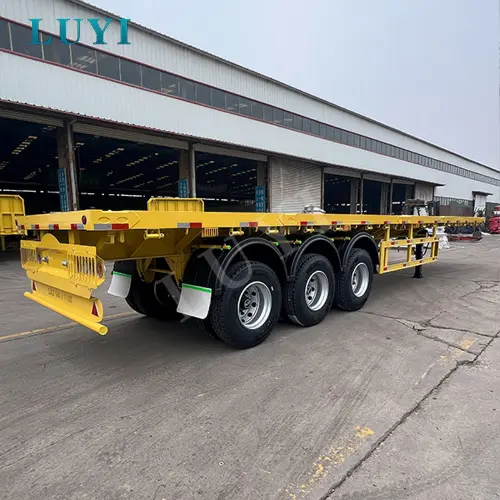
Wind drag is the main hidden fuel cost for flatbed fleets running long-distance highway routes. When a tractor pulls an uncovered flatbed loaded with steel beams, timber or construction blocks, air hits uneven cargo, exposed axles, empty wheel wells and the wide gap between cab and trailer all at once. Once road speed passes 60km/h, air resistance becomes the biggest factor pushing up fuel burn, even more than the total weight of the load. Standard factory flatbeds come with zero airflow tuning, leaving carriers to cover avoidable fuel expenses every week. Small aerodynamic fittings smooth out chaotic air movement, lower resistance against the vehicle and take strain off the tractor engine.
Gap fairings fitted to the front of flatbed headboards deliver the clearest fuel savings for most fleets. The empty space between the truck cab rear and trailer front creates a low-pressure vacuum that pulls the whole rig backward while moving. Lightweight, weatherproof gap fairings fill this empty space and guide air smoothly over the trailer deck. Made from flexible hard plastic, these panels hold up against flying gravel, rain and long-term outdoor parking, and they never get in the way of regular loading and strapping work. Independent road tests carried out by local logistics industry groups show this single upgrade alone can drop fuel consumption by four to six percent on consistent highway runs.
Custom slim side skirts built for open flatbed frames form another effective efficiency upgrade. Standard side skirts made for box trailers do not fit flatbed chassis, so manufacturers produce narrow, low-profile panels that mount along the trailer’s bottom main beam. These panels block messy swirling air around exposed tires and multi-axle assemblies. Unrestricted air flowing under the flatbed creates heavy drag, especially on three or four axle heavy haul models. These thin aerodynamic guards keep proper ground clearance for rough country roads and loading docks, so operators do not face extra route restrictions. When paired with front gap fairings, side skirts push total fuel savings up to seven or nine percent for fleets running highway shifts every day.
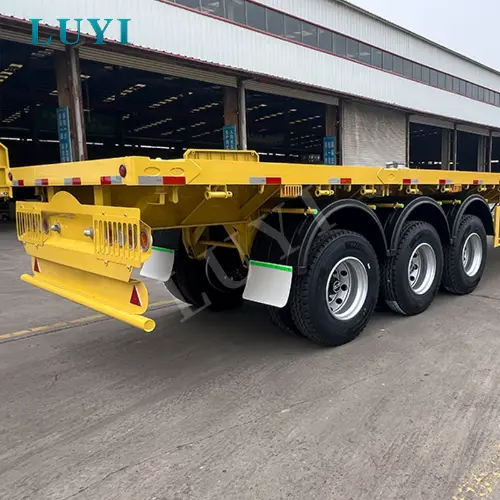
Foldable rear tail deflectors handle drag generated at the back end of flatbed trailers. Air rushing off the trailer deck creates a strong low-pressure zone that tugs backward on the whole rig. Foldable deflectors bolt onto the rear frame to reshape exiting airflow and shrink this vacuum pull. Crews can fold these units up during loading and unloading to prevent scrapes from forklifts or overhanging cargo, which solves the biggest practical worry most flatbed operators have about rear aerodynamic gear. This add-on cuts fuel use by another two to three percent when used alongside gap fairings and side skirts.
Small daily operating habits can make aerodynamic upgrades work even better for fleets struggling with high fuel costs. All cargo should be strapped tight to stop uneven, sticking-out loads that create random wind turbulence. Empty flatbed trips at top highway speed waste far more fuel due to higher wind resistance, so dispatch teams can adjust route planning to limit fast empty runs whenever possible. These simple workflow tweaks stack together with aerodynamic hardware to bring down monthly fuel bills more noticeably over time.
For fleet operators working with tight budgets and unstable fuel pricing, aerodynamic flatbed parts offer quick returns on initial spending. Most core fittings pay back their purchase price within six to twelve months through fuel savings, with almost no expensive ongoing maintenance needed. Unlike engine rebuilds or frequent tire swaps, these aerodynamic components only need occasional surface cleaning and loose bolt checks to keep working well. With fuel market volatility set to continue, tuning flatbed airflow remains a low-risk, high-gain way to lock in steady operating costs and protect fleet bottom lines year after year.