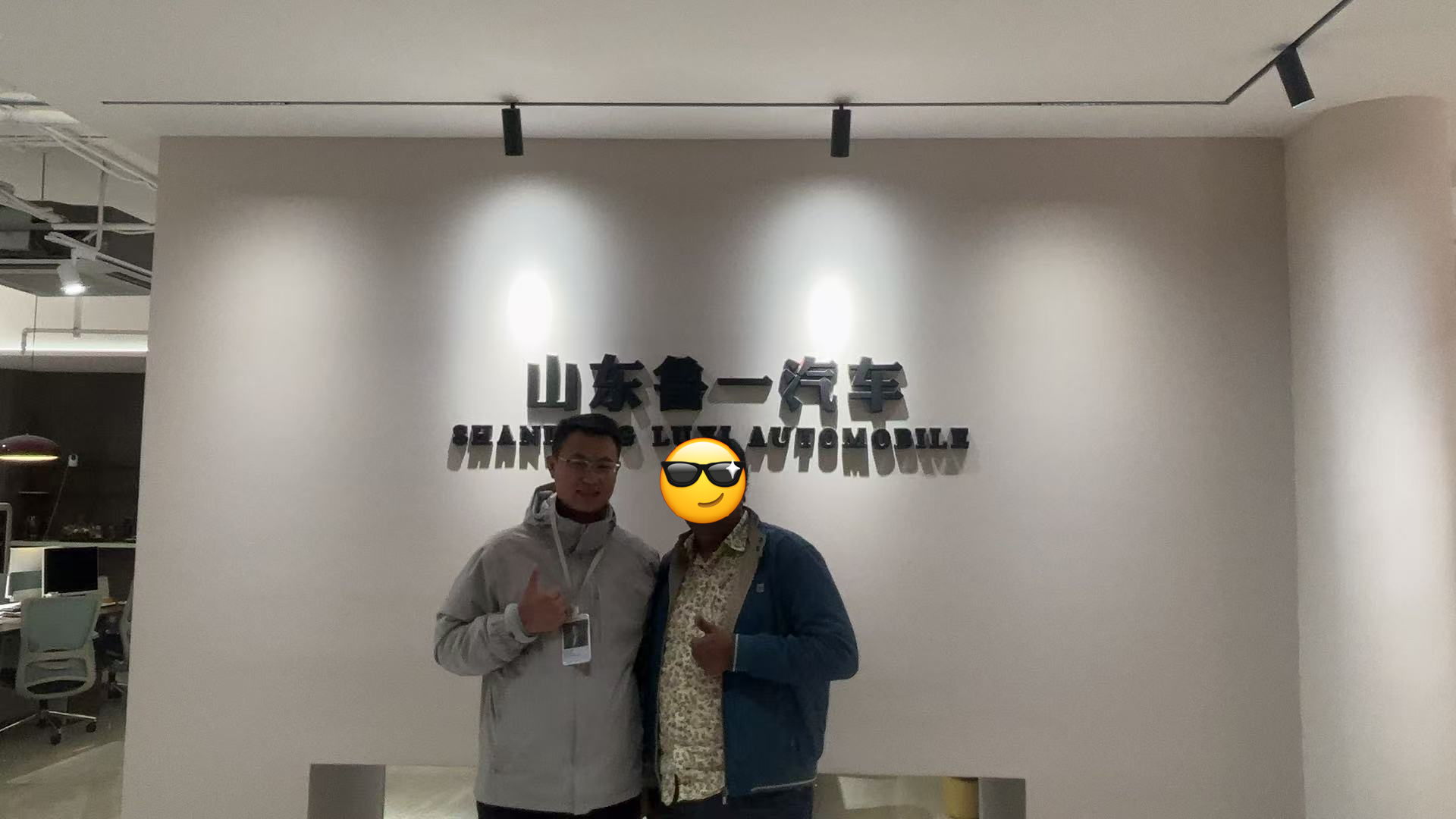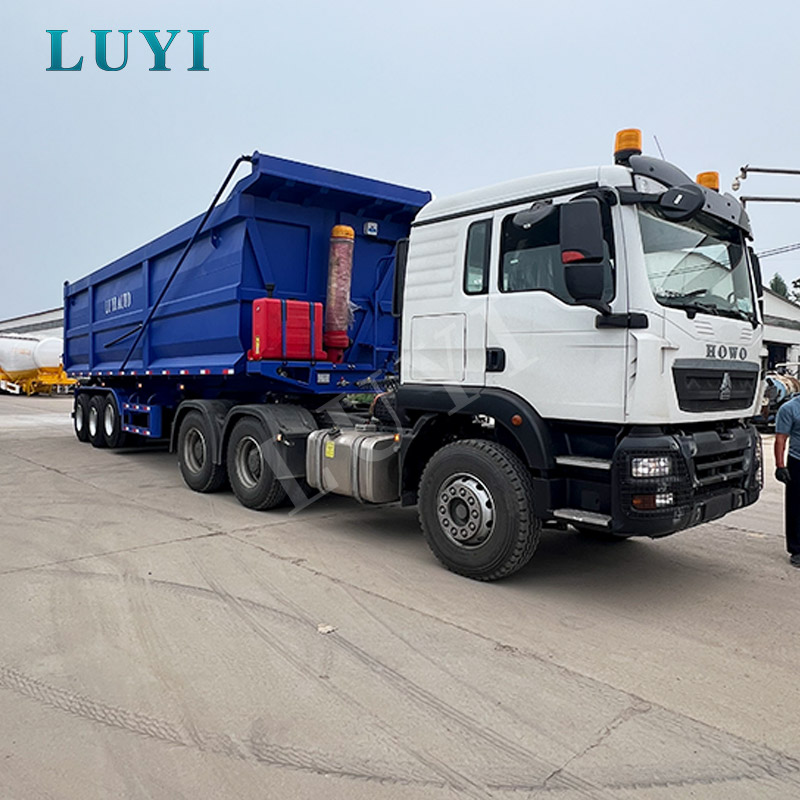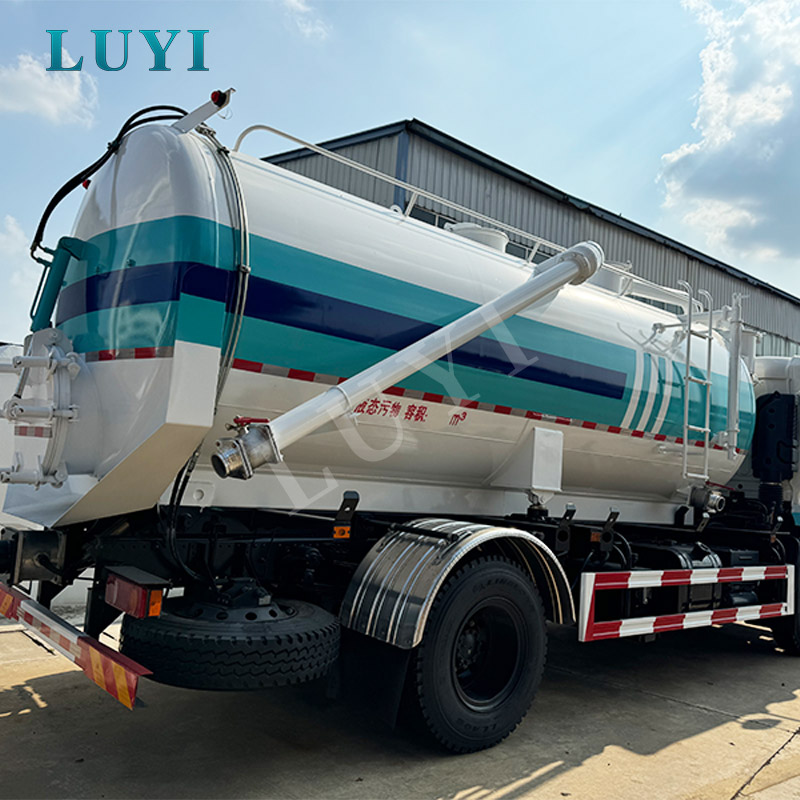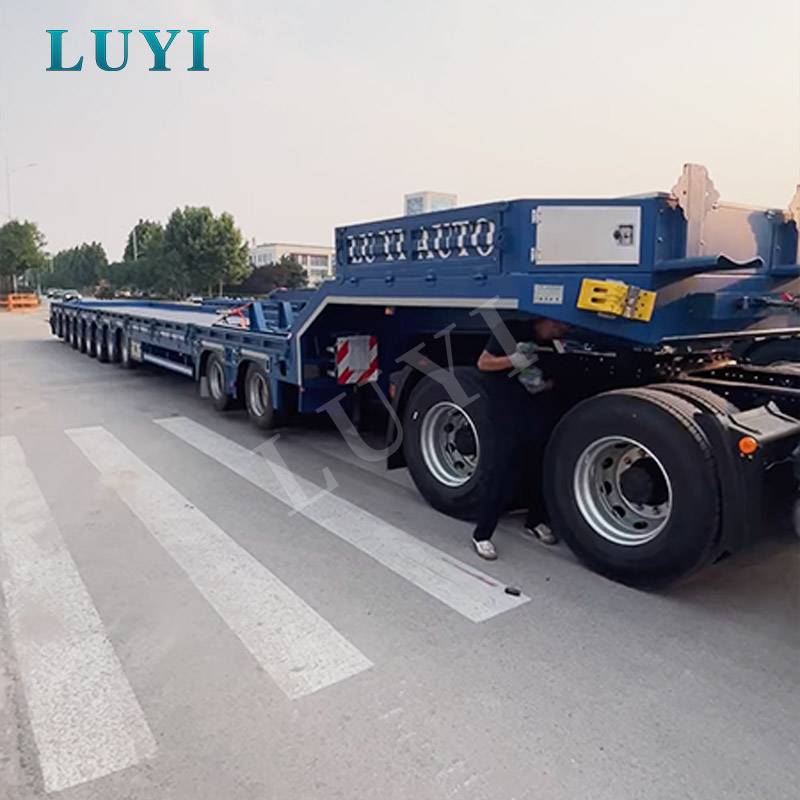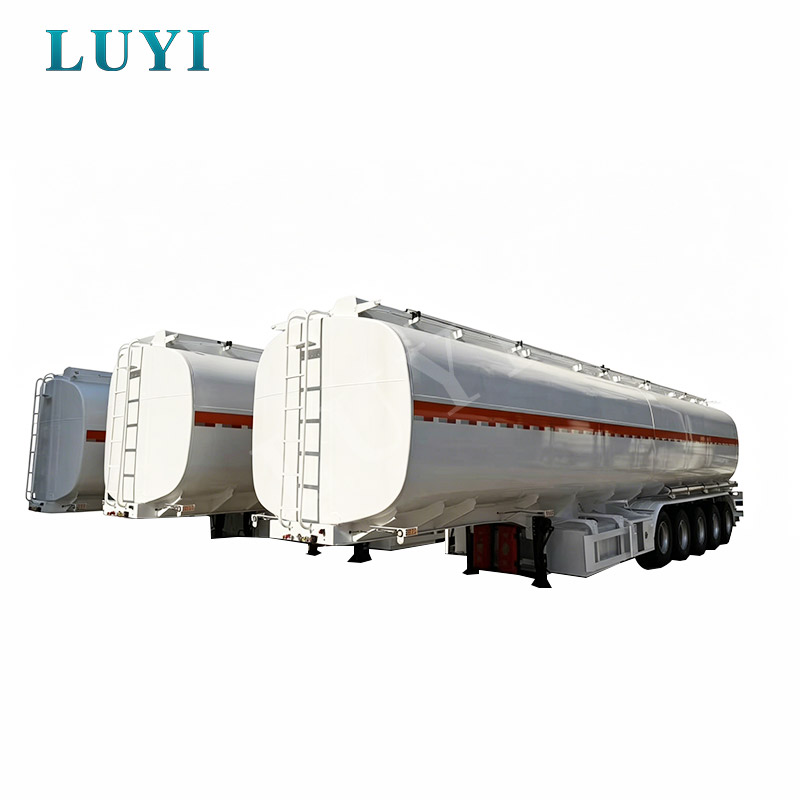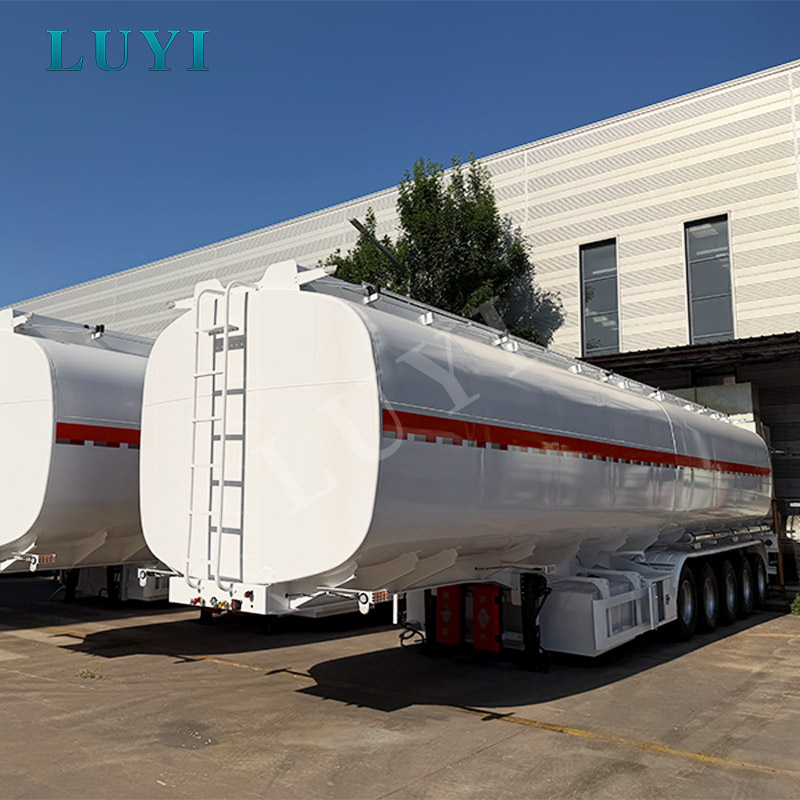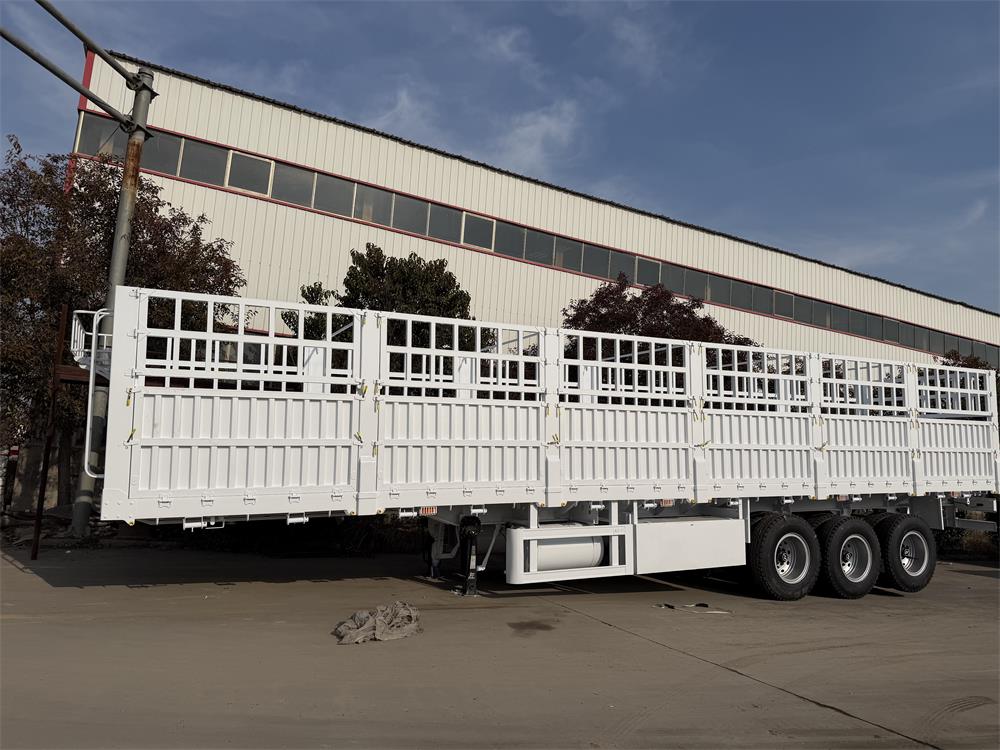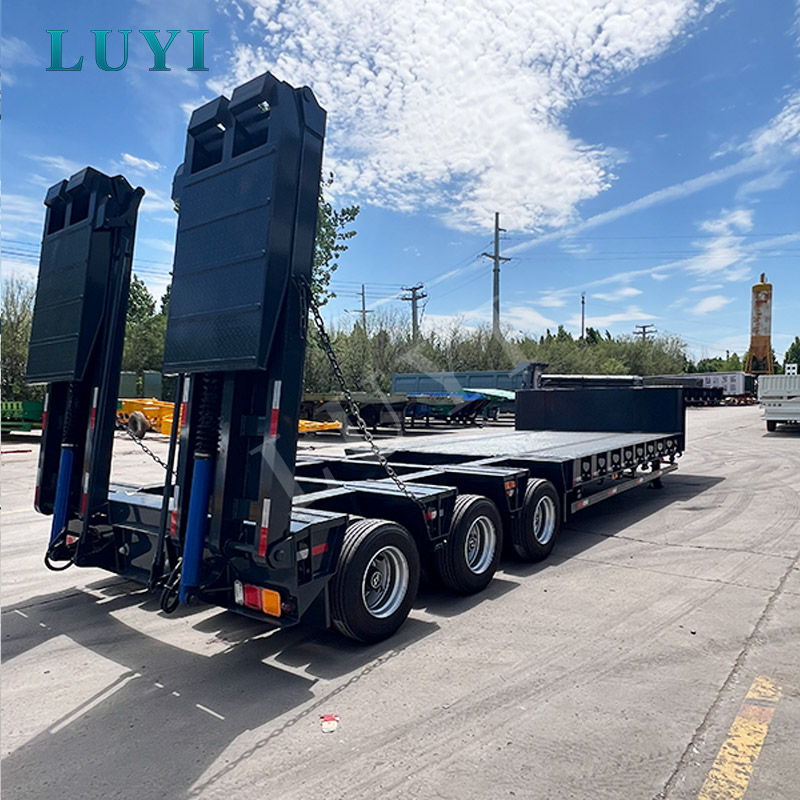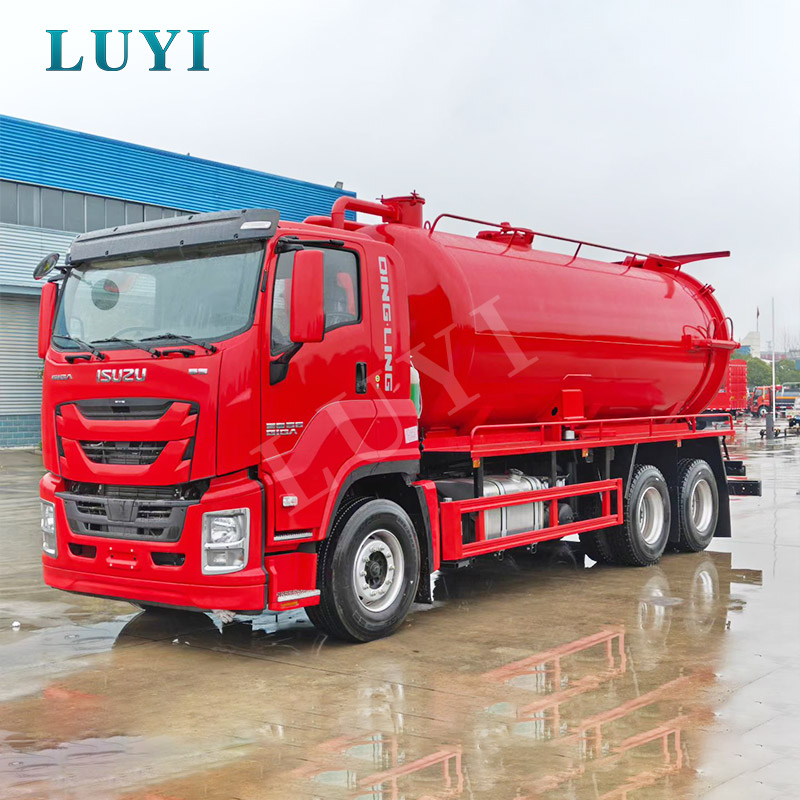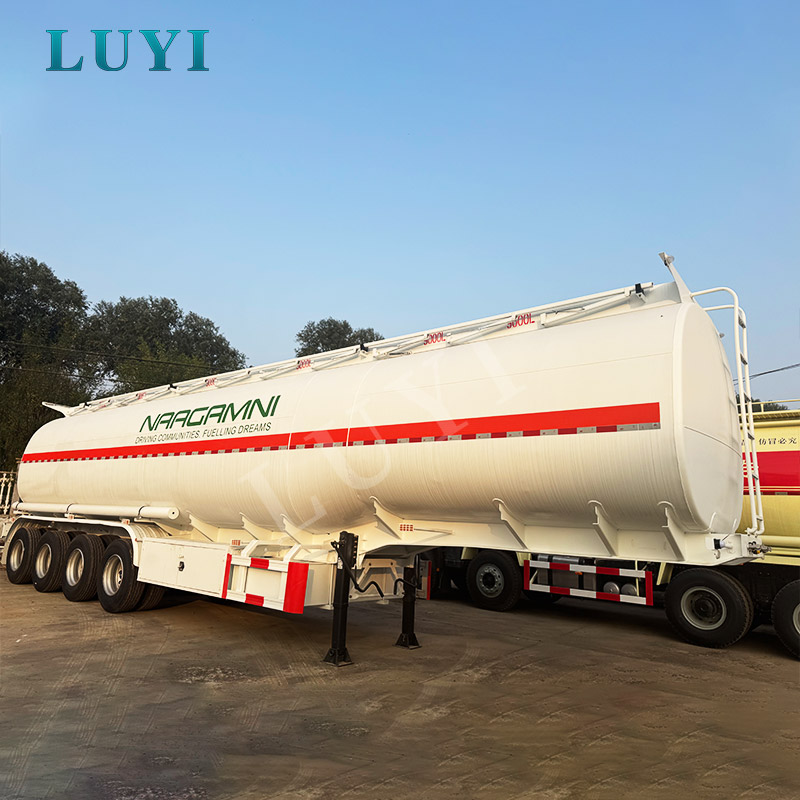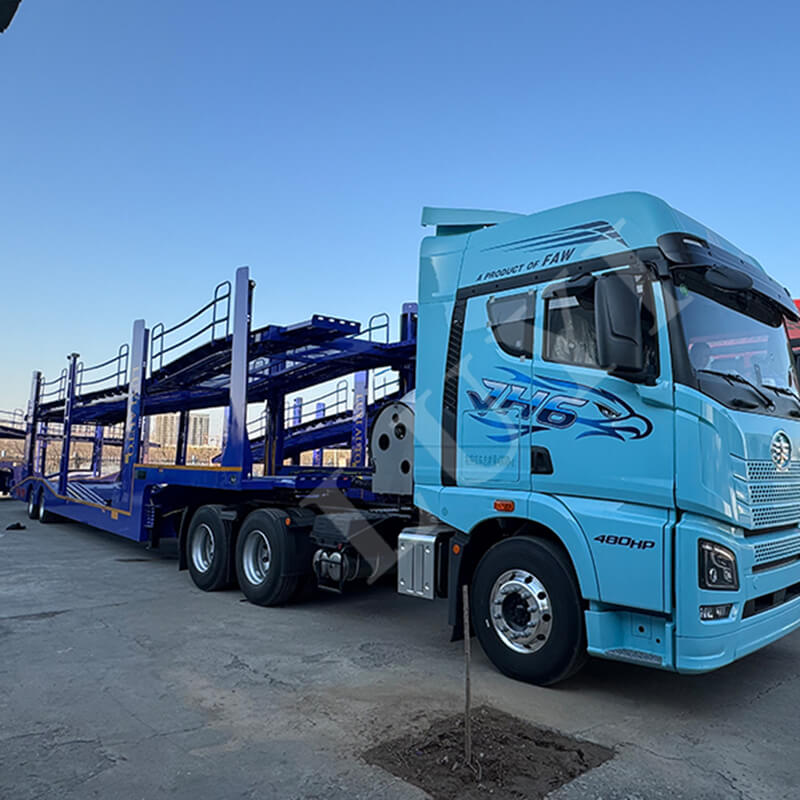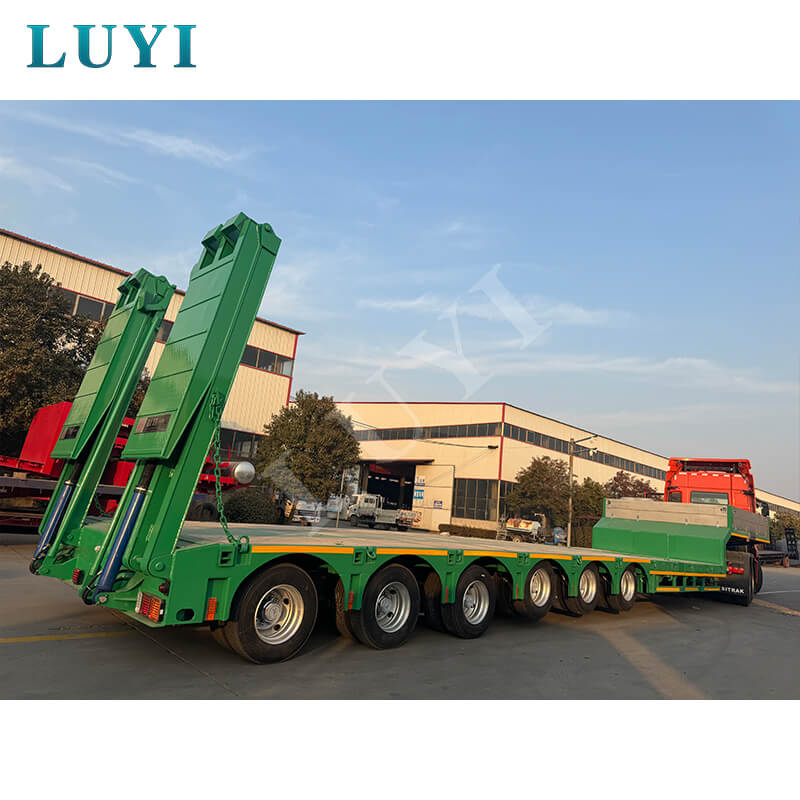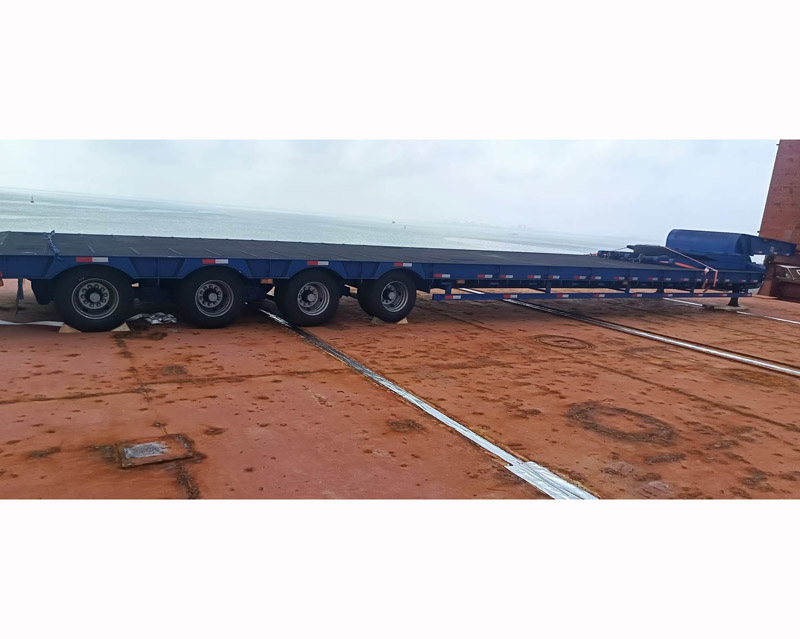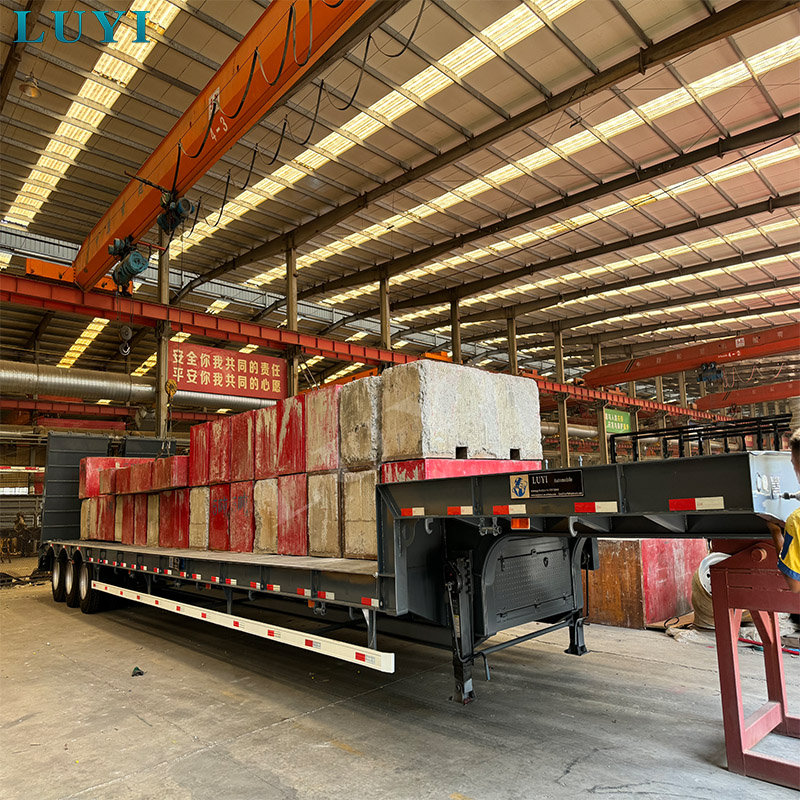
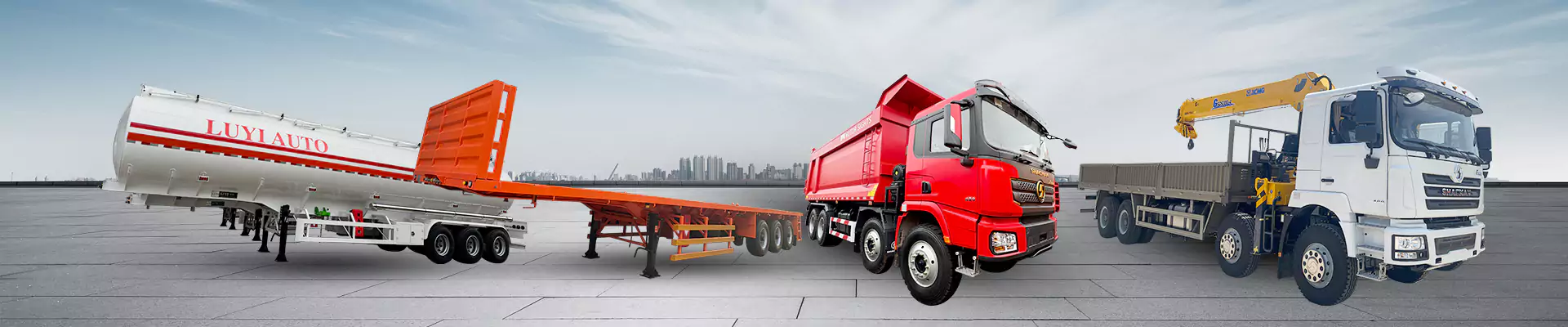
In March 2026, a fuel transport client from Tanzania visited LUYI Auto to inspect the factory, review product quality, and discuss a tanker trailer solution for refined oil delivery. The customer operates routes between the Dar es Salaam coastal area and the central highlands, where road conditions, climate, and transport safety requirements create real pressure on fleet performance. After a full factory visit, technical review, and on-site discussion, the client confirmed an order for two customized oil tank trailers.
For B2B buyers in fuel logistics, tanker procurement is not just about volume. It depends on structural durability, material selection, transport compliance, loading efficiency, and whether the supplier can provide dependable technical support after delivery. This project highlights how LUYI develops tanker semi-trailer solutions based on actual route conditions and operating risks rather than relying on a generic export specification.
Author: LUYI Auto Editorial Team
Source: LUYI Auto customer visit record and project delivery case
The Tanzanian client needed tanker trailers for short- and medium-distance refined oil distribution in a demanding environment. Operating routes included rough inland roads, potholes, loose gravel sections, high temperatures, humidity, and frequent dust exposure. In addition to road durability, the customer also needed a trailer configuration that could safely transport gasoline and diesel while meeting local transport rules and improving daily operating efficiency.
Because the client had previously experienced poor product quality and weak after-sales support from another supplier, trust was a major factor in the purchasing decision. During the visit, LUYI focused not only on product configuration, but also on production transparency, testing procedures, and service responsiveness. Buyers evaluating similar applications can also review LUYI’s broader semi-trailer product range and fuel transport models such as the 45,000L fuel tanker trailer.
The customer’s operating environment created four major challenges. First, the trailers needed strong structural durability for rough roads in Tanzania’s countryside and central highlands. Standard frames and corrosion-prone tank materials would not be reliable in hot, humid, and dusty conditions. Second, local oil transport rules had become stricter, so the trailers had to meet capacity, safety, and certification requirements. Third, the client needed separate compartments for gasoline and diesel in one trip, while also keeping the trailer light enough to improve fuel economy. Finally, because of a previous bad supplier experience, the customer needed clear evidence of quality control and dependable after-sales support.
These concerns are common in fuel logistics, where procurement mistakes can lead to far more than maintenance cost. Weak tanker design or poor support can disrupt delivery schedules, increase safety risks, and create compliance issues that directly affect business continuity.
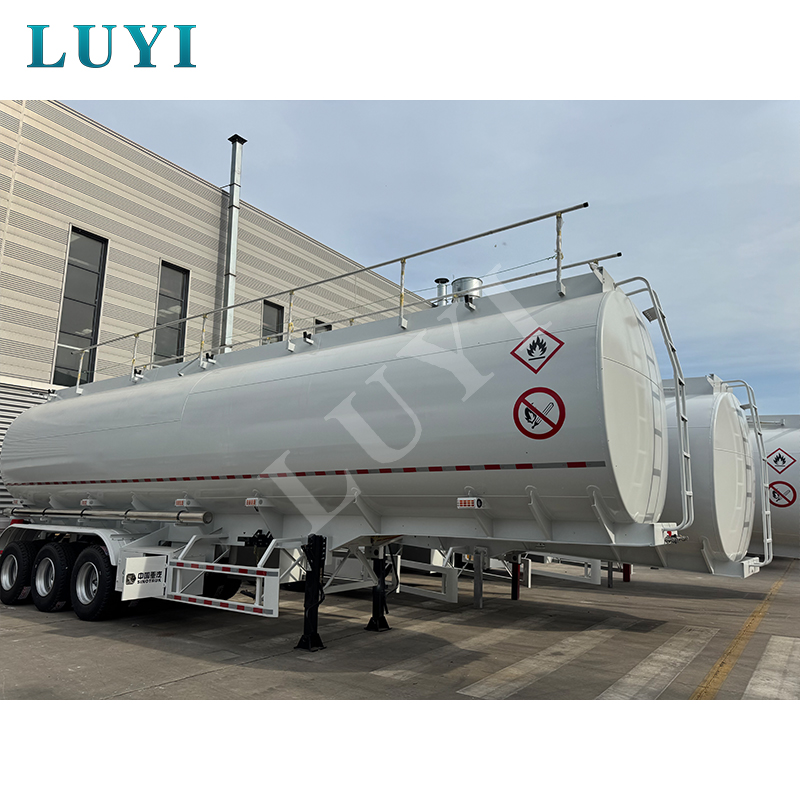
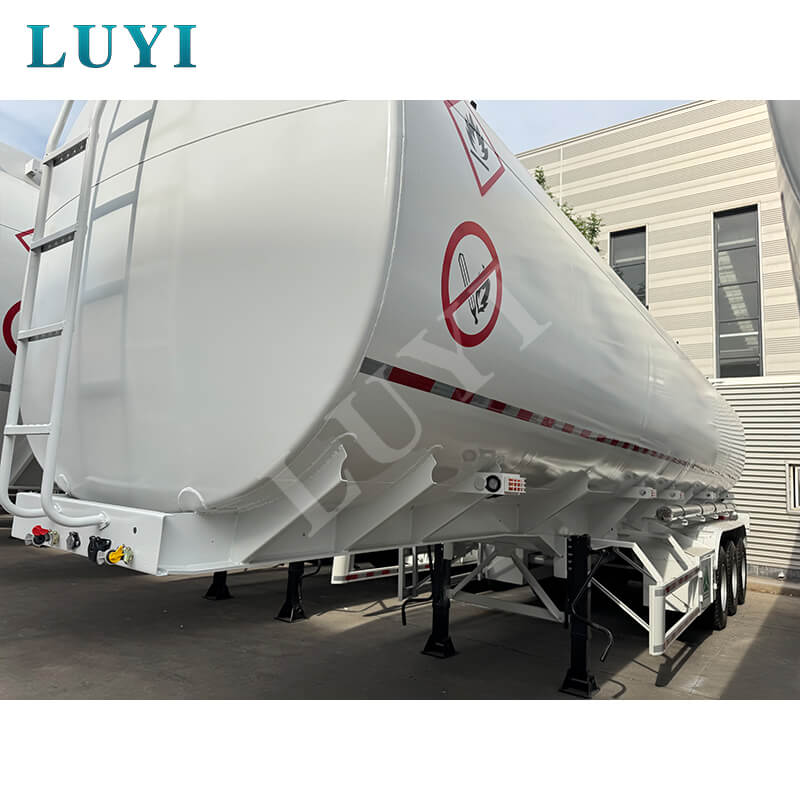
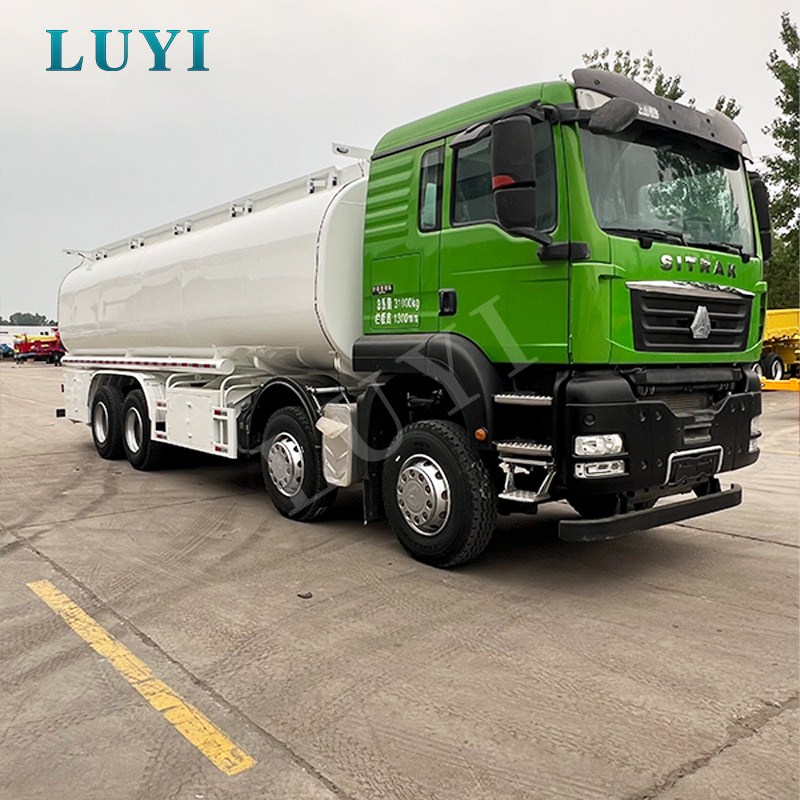
LUYI supplied two customized 45,000L tanker trailers, each designed with two compartments so the client could transport gasoline and diesel more efficiently in the same delivery cycle. To improve corrosion resistance and reduce vehicle weight, LUYI used 5083H111 aluminum alloy for the tank body. This material offered the right balance of light weight, structural strength, and long-term resistance to heat, humidity, and chemical exposure.
For the chassis and support structure, LUYI used a high-strength manganese steel frame combined with reinforced suspension and heavy-duty tires to improve stability on uneven roads. This combination helped the trailers handle rougher conditions without sacrificing transport efficiency. For customers comparing related options, LUYI also offers products such as the 3 axle petroleum tanker trailer and other export-oriented tanker configurations within its semi-trailer and truck product portfolio.
This configuration was designed not only for compliance and load performance, but also for lower fuel consumption, safer handling, and faster daily delivery turnover.
Fuel transport equipment must match local regulatory expectations as well as practical safety standards. For this project, LUYI kept the trailer specification within the required 45 cubic meter limit and integrated the safety features needed for refined oil transport. This helped the customer move forward with greater confidence in both legal compliance and operational risk control.
LUYI also assisted with documentation and certification support to make local market entry smoother for the client. This kind of support is particularly valuable for international buyers who need a supplier that understands both equipment design and export execution. Customers who want to review LUYI’s broader support capability can visit the service page.
During the factory visit, LUYI showed the client how raw materials are inspected, how the tank body is welded, and how every unit is tested before shipment. The tanks were welded using automatic equipment to improve consistency, and each trailer underwent pressure testing and leak inspection before delivery. This level of process transparency was important because the client wanted proof that product quality would match what had been promised.
LUYI’s quality positioning is built around controlled material sourcing, strict inspection, and export-ready manufacturing discipline. Buyers can learn more about the company’s background and production focus on the About LUYI page. For buyers in fuel, chemical, and bulk liquid transport, this type of visible quality control is often one of the strongest trust signals in the supplier evaluation process.
LUYI coordinated the entire shipping process, including export arrangements, customs documentation, and delivery planning, to reduce delays and simplify the customer’s procurement process. According to the project record, the order was completed within a competitive delivery cycle, helping the client put the trailers into service without unnecessary waiting.
After arrival in Tanzania, LUYI arranged technical support for installation, testing, and operator training. The support package also included a 24-hour response channel, spare parts planning, and technician assistance when required. For overseas B2B buyers, this level of post-delivery support is often just as important as the initial purchase price because it directly affects uptime and fleet confidence. Customers with similar requirements can submit route details, payload needs, and destination information through the online inquiry page or contact the team through the contact page.
After several months of operation, the client reported strong practical results. Thanks to the quick loading and unloading setup, delivery efficiency improved by around 30%. The lightweight aluminum tank design also helped reduce fuel consumption by approximately 15% to 20% compared with heavier alternatives. Most importantly, the trailers operated without breakdowns during the initial service period, giving the client more confidence in long-term route reliability.
From LUYI’s perspective, the project also strengthened its position in Tanzania’s fuel transport market and provided more operating insight for future East African tanker trailer projects.
“We are satisfied with both the product quality and the cooperation process. The trailers perform well on our routes, the safety configuration meets our needs, and LUYI has been responsive from factory visit to after-sales support. We expect to continue working together as our transport business grows.”
— Tanzanian Client Representative
This project is relevant for fuel distributors, fleet operators, and petroleum transport companies across Africa because it shows what practical tanker procurement should look like. The right supplier must understand route quality, climate exposure, compliance pressure, loading efficiency, maintenance realities, and after-sales expectations. A tanker trailer is not just a container on wheels. It is a safety-critical transport asset that must work reliably every day under local conditions.
Companies exploring similar export cases can also review LUYI’s existing project references, including the Saudi Arabia cement tanker trailer case study, which shows how LUYI supports customers in other specialized liquid and bulk transport scenarios.
The Tanzanian customer’s order for two customized tanker trailers demonstrates the value of route-based engineering, compliance-focused design, visible quality control, and responsive service support. By aligning tank material, chassis structure, safety systems, and after-sales assistance with the client’s actual operating environment, LUYI helped deliver a fuel transport solution built for reliability, efficiency, and long-term fleet growth.
If your company is sourcing a tanker trailer for gasoline, diesel, or other liquid fuel transport, LUYI can recommend a suitable configuration based on your cargo type, route conditions, climate, and local regulations. You can start the discussion through the Send Inquiry page or reach the team directly via Contact LUYI.