

SKU:
LUYI- LY9400GPGMPN:
LY9400GPGBrand:
LUYI AUTOSpecial Price:
US$18,600Warranty:
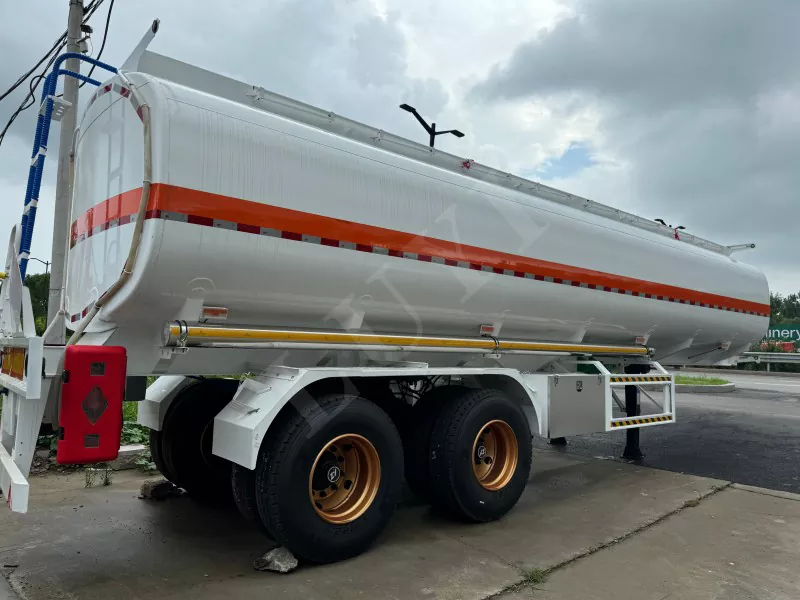
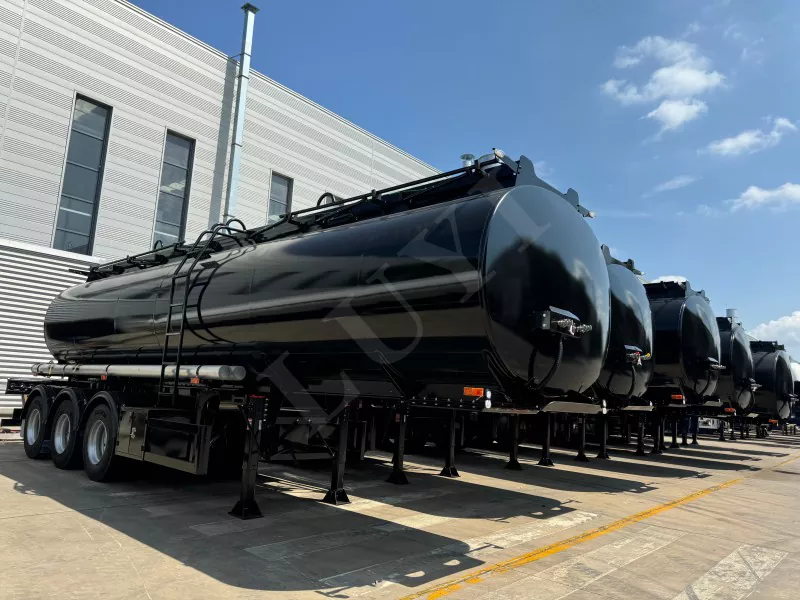
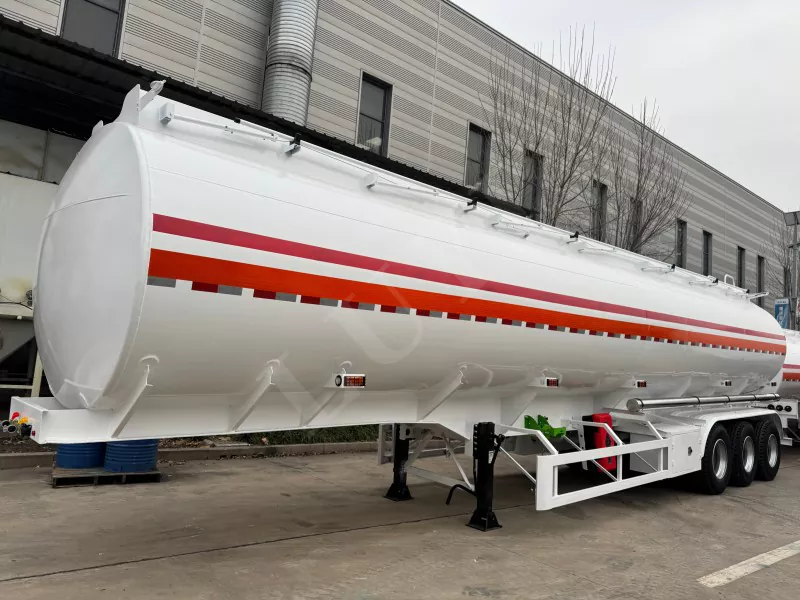
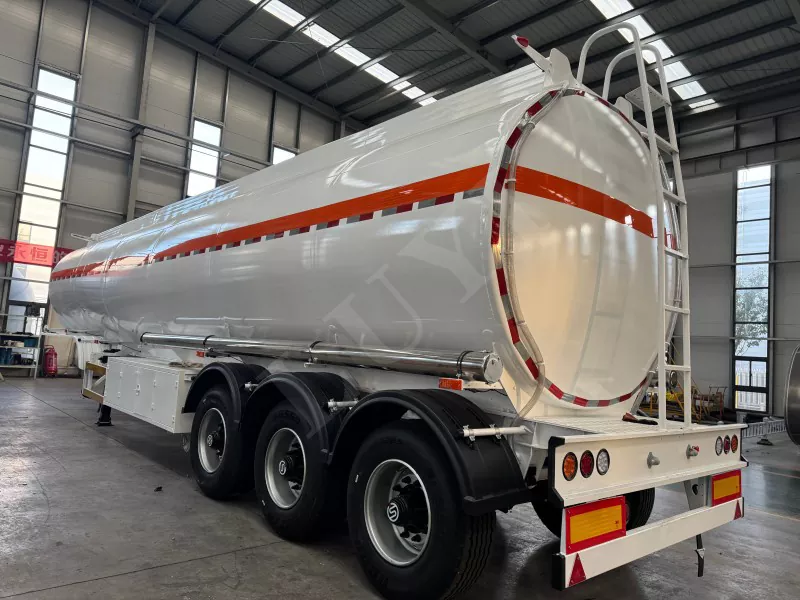
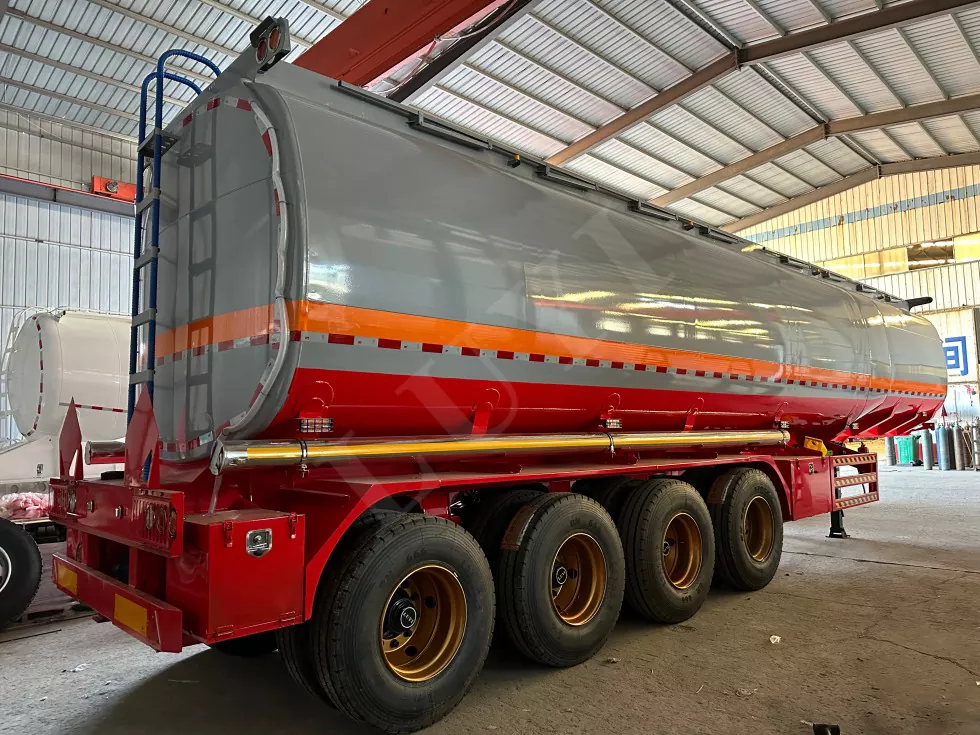
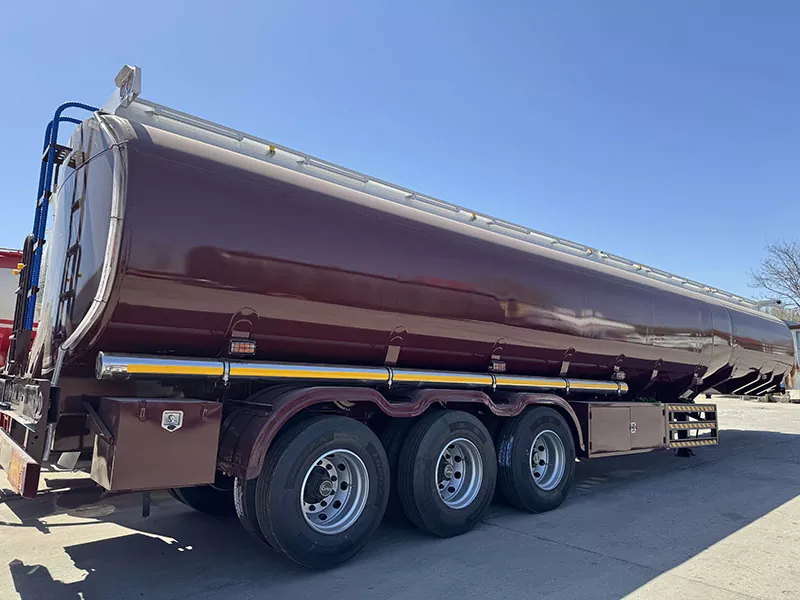
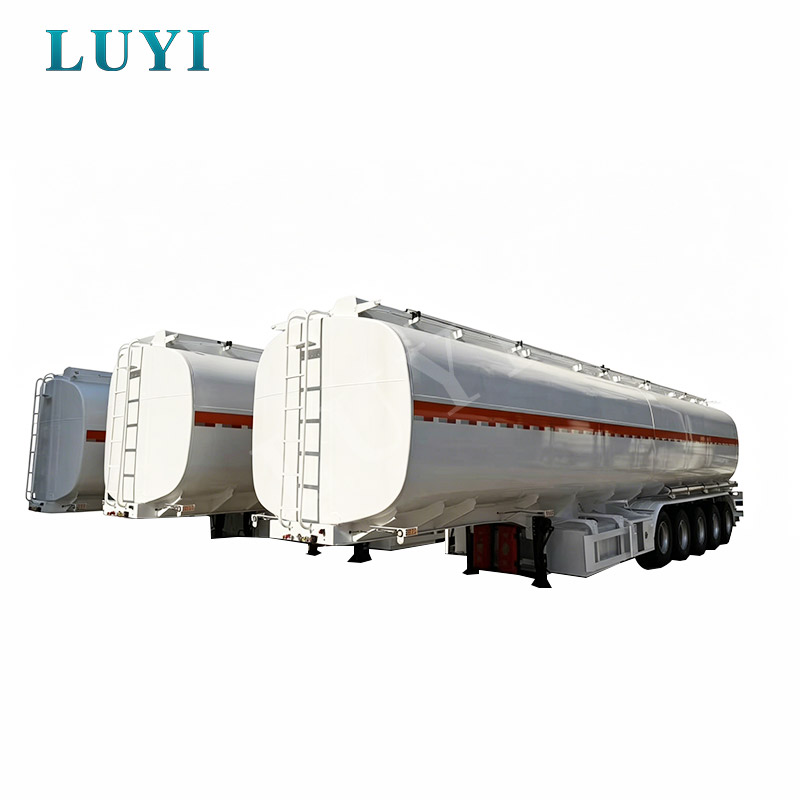
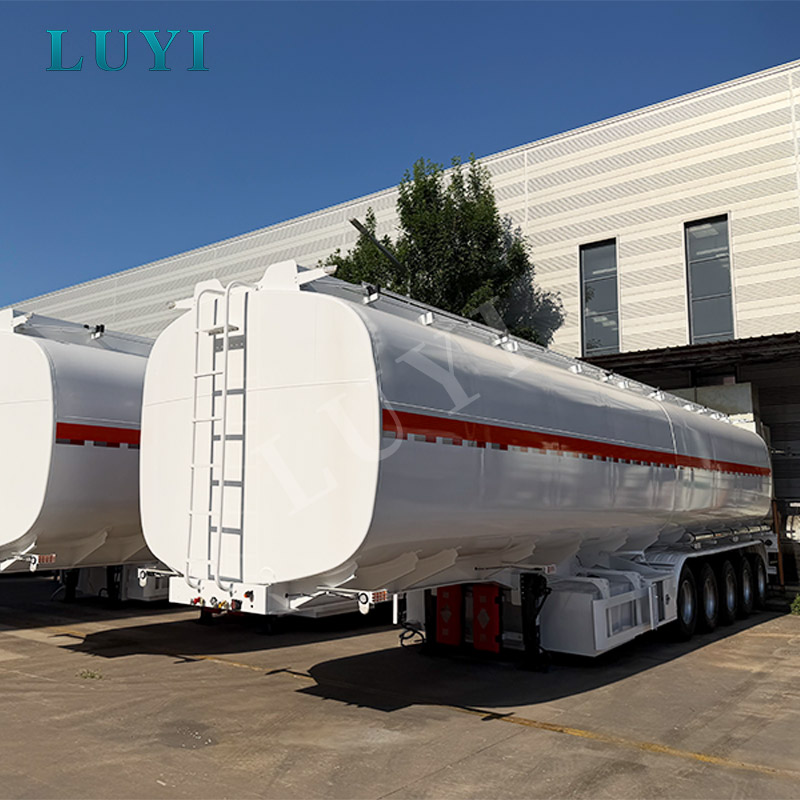
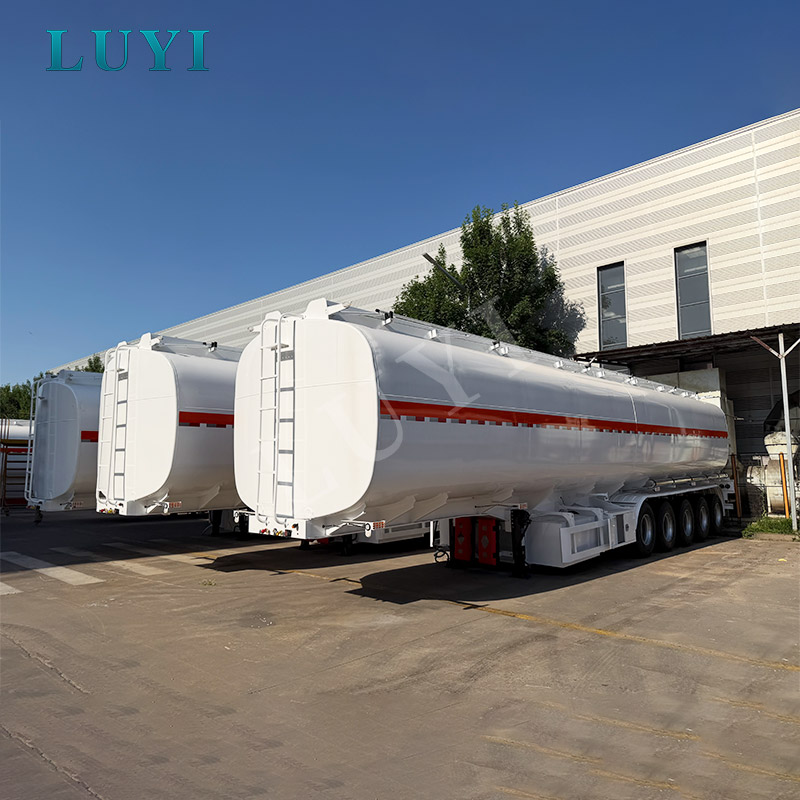
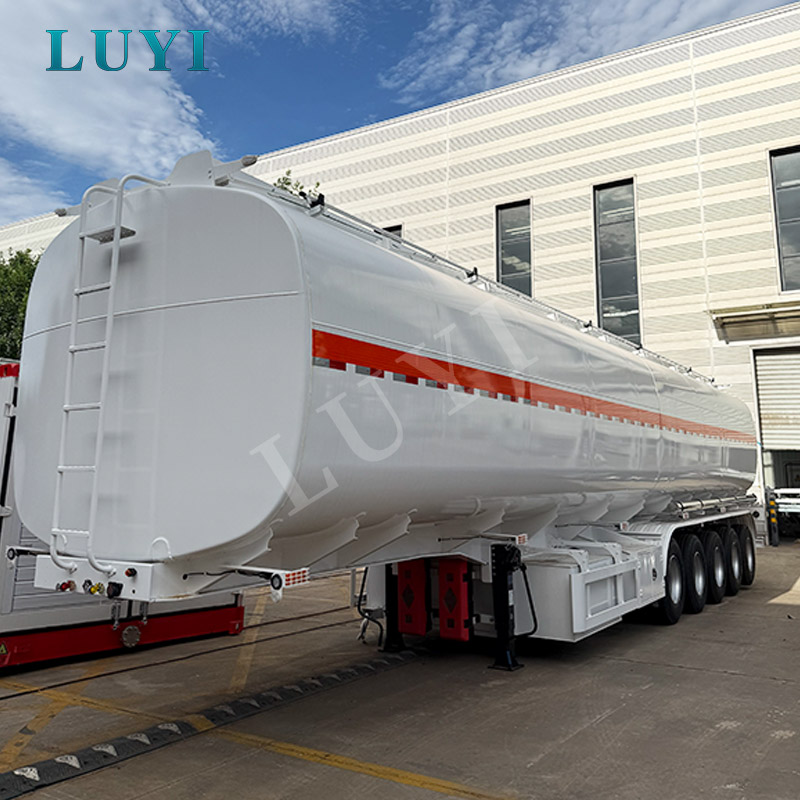
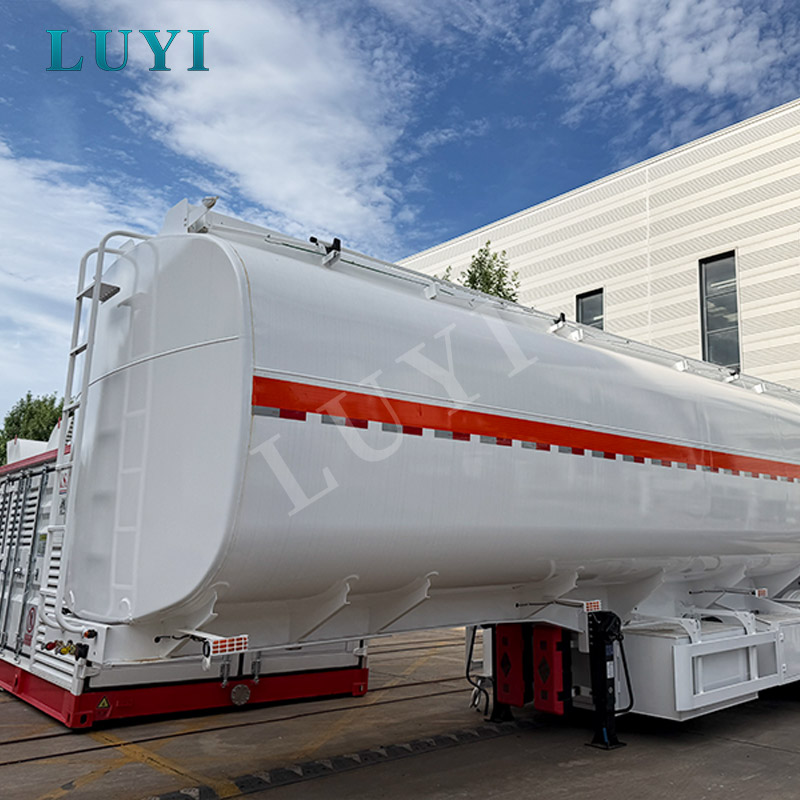
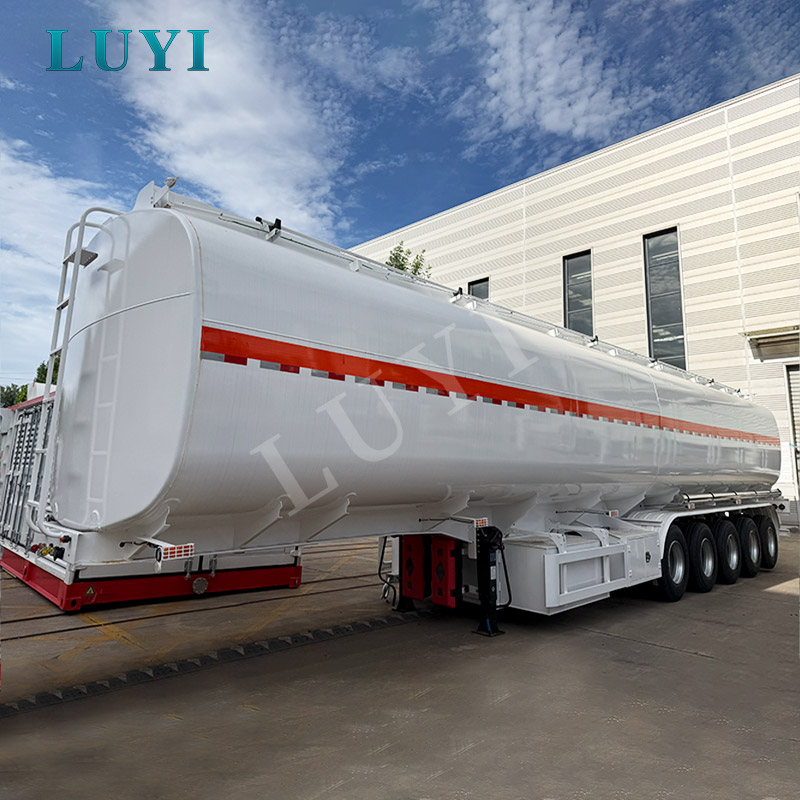
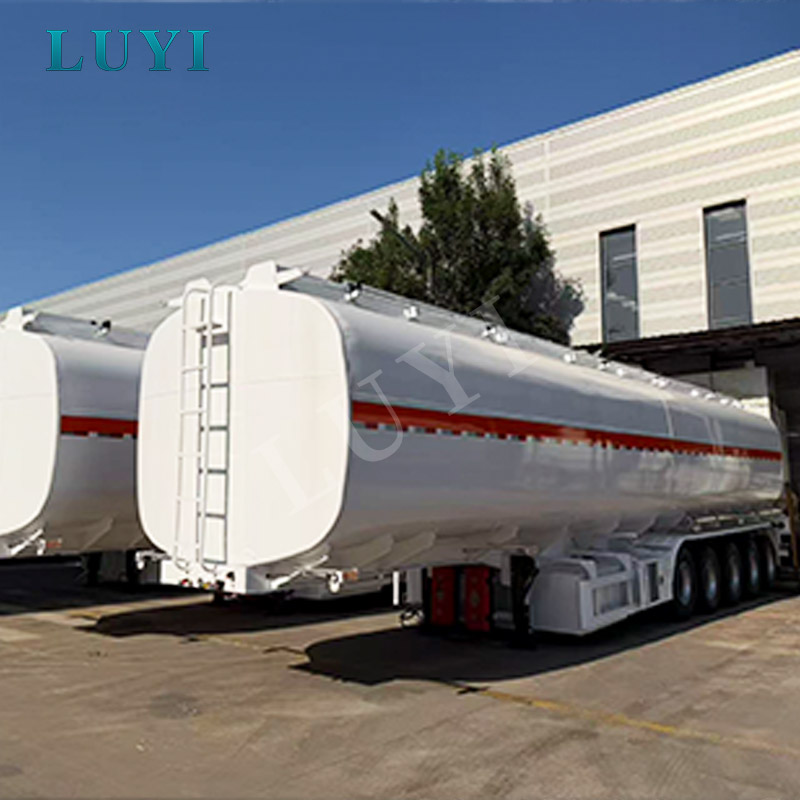
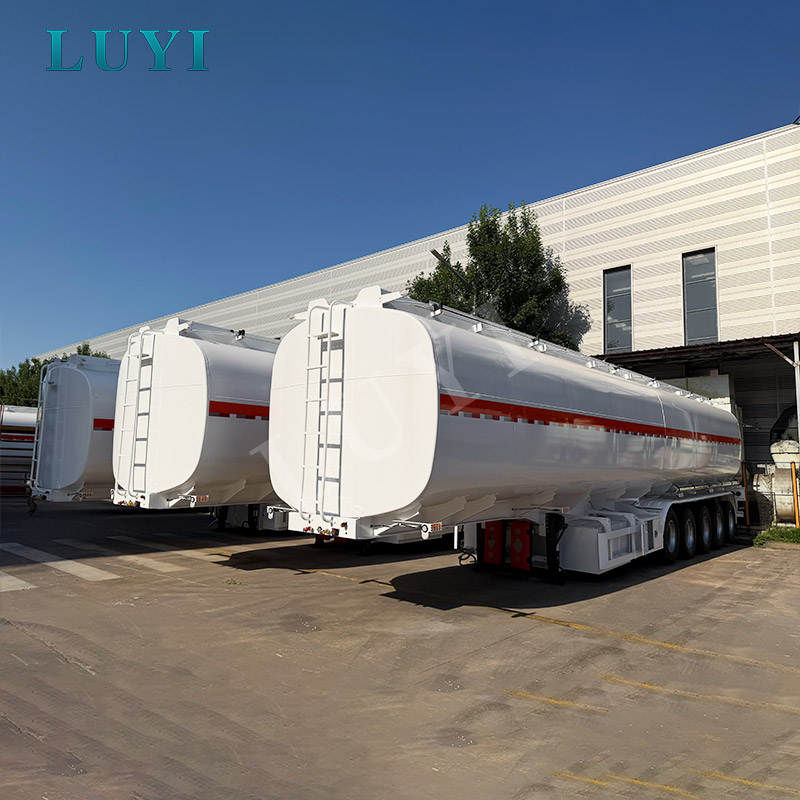
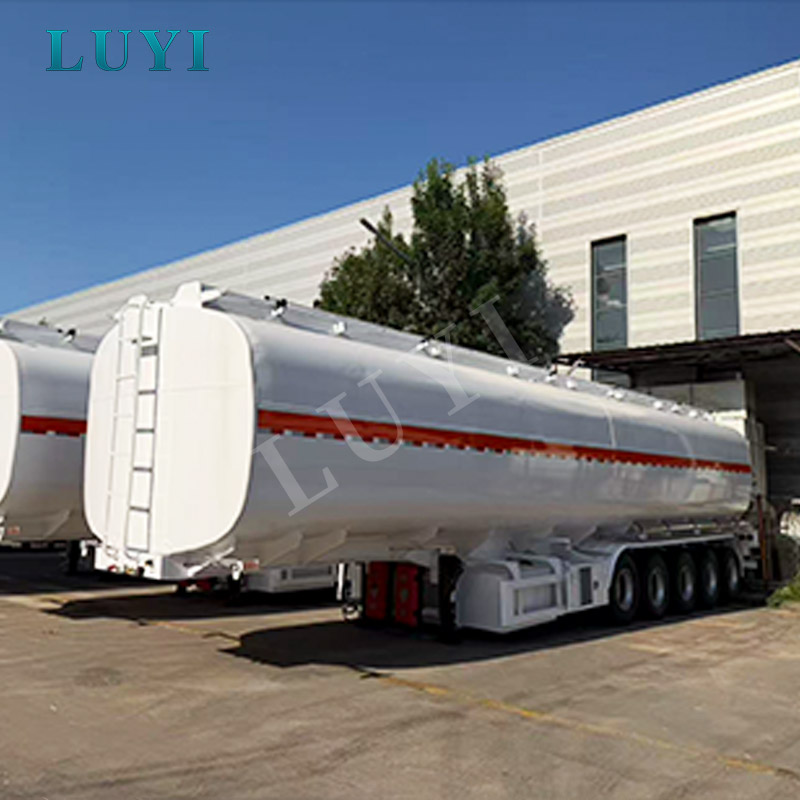
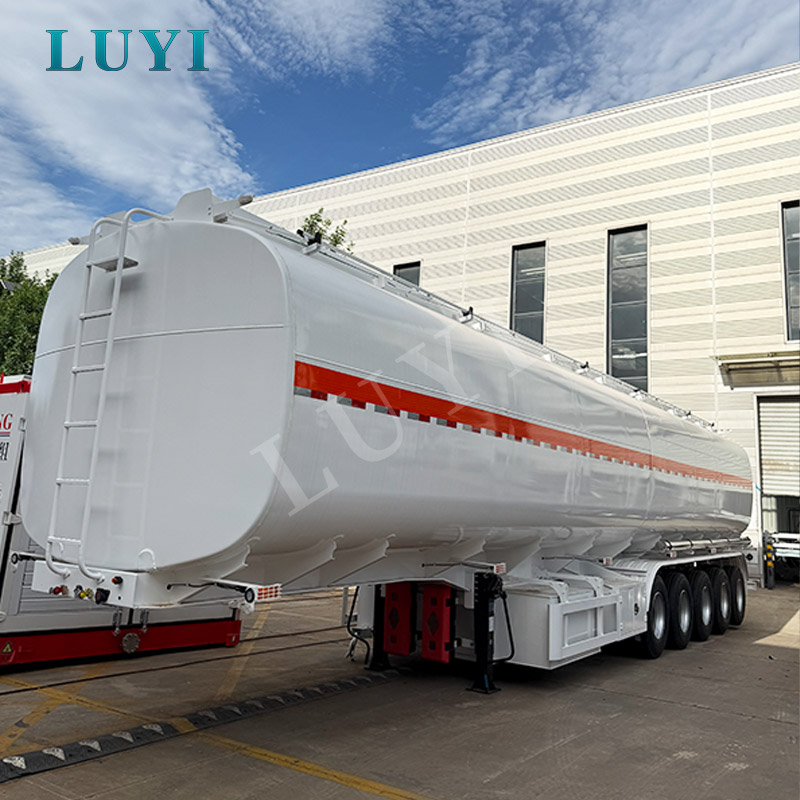
6 yearsThe 70,000L five-axle fuel tanker semi trailer is intended for operators who need to move large fuel volumes between terminals, regional storage facilities and downstream delivery points. It is better suited to scheduled bulk transport than frequent urban deliveries where a smaller tanker would normally offer easier access, lower tare weight and better route flexibility.
Typical operating scenarios include:
The three-compartment arrangement allows an operator to separate fuel grades, delivery batches or customer orders within one transport cycle. Each compartment has its own manhole, bottom valve and discharge outlet, reducing the need to open or discharge the entire tank at one destination.
Buyers comparing different capacities can review Luyi Auto’s broader tanker semi trailer range. Fleets that do not require 70,000 liters may find the 55,000L 3 axle fuel tanker semi trailer easier to match with regional axle-load limits and conventional tractor configurations.
| Item | Standard Project Specification |
|---|---|
| Product Name | 70,000L 5 Axle Multi-Compartment Fuel Tanker Semi Trailer |
| Nominal Tank Volume | 70,000 liters / 70 m³ |
| Tank Material | Carbon steel |
| Primary Cargo | Diesel, gasoline and compatible conventional refined-fuel products |
| Compartment Structure | Three independent compartments with separate loading and discharge control |
| Axle Configuration | Five axles in total: four mechanically suspended axles plus one liftable front axle with air suspension |
| Suspension System | Combined mechanical suspension and air-supported lift axle configuration |
| Manhole Covers | European-style aluminum alloy manhole covers, one set matched to each compartment |
| Emergency Bottom Valves | One independently controlled emergency bottom valve per compartment |
| Discharge Valves | Separate aluminum alloy discharge valve for each compartment |
| Standard Unloading Method | Controlled gravity discharge through the compartment discharge system |
| Optional Loading and Unloading Equipment | Bottom loading fittings, compatible pump system, vapor recovery and overfill-prevention equipment where specified |
| Landing Gear | 28-ton heavy-duty single-action landing gear |
| Kingpin | 50 mm or 90 mm, selected according to tractor fifth-wheel specification |
| Brake System | WABCO dual-circuit air brake system; ABS or EBS to be confirmed according to the final project specification |
| Electrical System | 24V full-vehicle circuit with turn lamps, brake lamps, side markers, rear lighting and reflectors |
| Standard Accessories | Toolbox, spare tire bracket, aluminum side guard, mudguards, air tank and aluminum piping |
| Surface Treatment | Surface grinding, primer and topcoat application, followed by factory wax protection before shipment |
| Paint Color | Customized according to fleet color, branding or customer requirement |
| Warranty | Six years under the agreed warranty scope, operating conditions and signed contract terms |
| Typical Production Lead Time | Normally 15–30 working days after deposit and technical drawing approval |
| Shipping Options | RO-RO or bulk carrier; flat-rack shipment only where dimensions and carrier acceptance allow |
Capacity and legal-load notice: A nominal tank volume of 70,000 liters does not mean the trailer can legally carry 70,000 liters of every fuel in every country. The allowable filling volume must be calculated from the liquid density, tank ullage requirement, trailer tare weight, tractor capacity, axle distribution, tire ratings, permitted gross combination weight and local hazardous-goods regulations.
Large tanker projects should be engineered around the route and delivery process rather than selected only by tank volume. Before confirming production, the buyer should provide the following information:
Buyers can also review the fuel tanker semi-trailer buying guide for additional points covering tank capacity, axle configuration, cargo density and procurement planning.
This tanker is designed around high-volume fuel movement, controlled compartment operation and more efficient empty-return running. Its main advantage is not simply the 70,000-liter figure, but the way the tank, running gear and discharge system can be matched to a large regional distribution route.
This large-capacity model is primarily suited to long-distance or terminal-to-depot transport. For repeated short urban routes, narrow station access or low-volume deliveries, a smaller tanker may deliver a lower total operating cost despite carrying less fuel per trip.
Fuel tanker safety depends on more than the tank body. The sealing system, emergency valves, brake response, grounding provisions, loading procedure, electrical equipment and driver operation must work together as one system.
Depending on the destination country and customer operating standard, optional safety equipment may include:
Fuel transport rules vary considerably by country. A CE-related document or a component described as “European standard” does not automatically make the complete tanker compliant with every European, African, Middle Eastern or South American market. Required standards, inspection documents and certification scope should be written into the purchase contract before manufacturing begins.
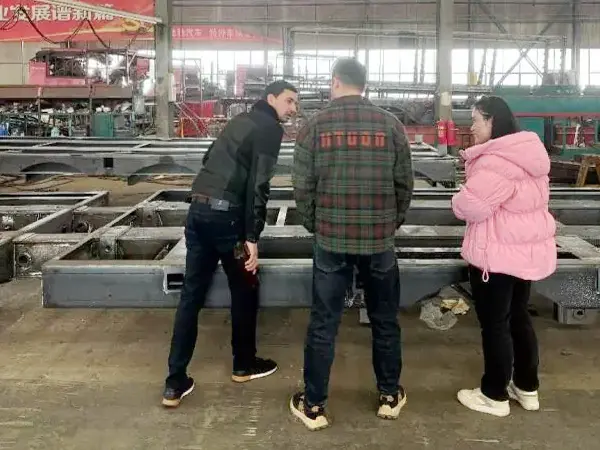
A large fuel tanker must be inspected as a complete transport system. Tank welding, compartment sealing, chassis alignment, valve installation and axle positioning all affect safety and long-term operating cost.
During fabrication, the tank shell, end sections, internal compartment structures and mounting supports are assembled according to the approved technical drawing. Welded joints around compartment walls, manhole seats, valve outlets and tank-to-chassis supports receive particular attention because these areas are exposed to liquid movement, vibration and repeated loading cycles.
Pre-delivery inspection normally includes:
Inspection records and configuration information can be retained for order traceability. Buyers planning a fleet order or distributor project can review the Luyi Auto manufacturing facility to understand the company’s production and inspection capabilities.
The final tanker specification should be determined by fuel compatibility, delivery method, axle-load rules, road conditions and budget. Available project options may include:
Customization should not be limited to appearance. The most valuable changes are those that improve legal compliance, simplify loading, reduce unloading time, match locally available spare parts or lower long-term maintenance cost.
Luyi Auto’s export and after-sales service can support configuration discussions, production communication, shipping coordination and spare-parts planning.
Before shipment, valve outlets, manholes, pipes and removable fittings are closed, capped or secured to prevent contamination and movement. Exposed metal surfaces receive wax protection, while accessories and loose components are fixed or packed separately.
Because a 70,000L tanker has a large external envelope, shipping is normally arranged by RO-RO vessel or bulk carrier. Flat-rack shipment may be considered only when the final dimensions, route and carrier acceptance make it practical.
The typical production period is 15–30 working days after the deposit and final technical drawing approval. The actual delivery schedule also depends on order quantity, component availability, inspection requirements, vessel schedule and destination port.
To obtain a realistic landed-cost estimate, buyers should provide the destination port, order quantity, required arrival date and preferred shipping method through the Luyi Auto inquiry form.
For a high-capacity fuel tanker, choosing a supplier only by unit price can create significant downstream risk. Tank volume, fuel density, axle distribution, valve configuration, local compliance and shipping dimensions all need to be reviewed before the trailer is built.
Luyi Auto supports buyers by focusing on the complete operating requirement:
Prospective buyers can review Luyi Auto’s energy and chemical transport cases, including the Tanzania fuel tanker project and the Mozambique tanker delivery case, to see how tanker configurations are adjusted for route conditions, fuel type and local operating requirements.
No. Legal tank volume and actual filling volume depend on fuel density, trailer tare weight, tractor capacity, axle spacing, axle-load limits and maximum permitted combination weight. The operating country and route must be reviewed before the final specification is approved.
The standard configuration is intended for compatible conventional fuels such as diesel and gasoline. It should not be used for corrosive chemicals, food liquids or an unfamiliar petroleum product without a material-compatibility and safety review.
Yes. Compartment quantity and individual compartment volume can be adjusted according to fuel grades, delivery points and customer order sizes. The final layout must also account for axle-load distribution and liquid movement.
The first axle is configured with air suspension and can be raised during suitable empty or lightly loaded operation. The control system, lifting conditions and legal use must be confirmed in the final specification and operating market.
Top loading through the manhole system and controlled gravity discharge are the basic arrangements. API-compatible bottom loading, vapor recovery, overfill prevention and a compatible pump-assisted discharge system can be added where required.
The supplied technical information specifies a WABCO dual-circuit brake system. ABS or EBS should be confirmed separately in the final quotation and purchase contract rather than assumed from the basic brake description.
Regular external corrosion inspection, paint repair, water removal, compartment cleaning, valve-seal checks and piping inspection are necessary. Maintenance intervals should follow the fuel type, climate, operating frequency and local inspection requirements.
Please send the fuel type and density, required volume, compartment plan, destination country, tractor model, route conditions, loading method, discharge method, brake requirement, order quantity, destination port and expected delivery date.
Planning a high-volume fuel distribution project?
Send Luyi Auto your fuel type, target capacity, destination country, tractor specification, route conditions and required quantity. Our team will review the legal-load risk, compartment arrangement, axle configuration, loading system and shipping plan before preparing a project quotation.
Address
66 Jiliang Road, Liangshan County, Jining City, Shandong Province, China
Tel