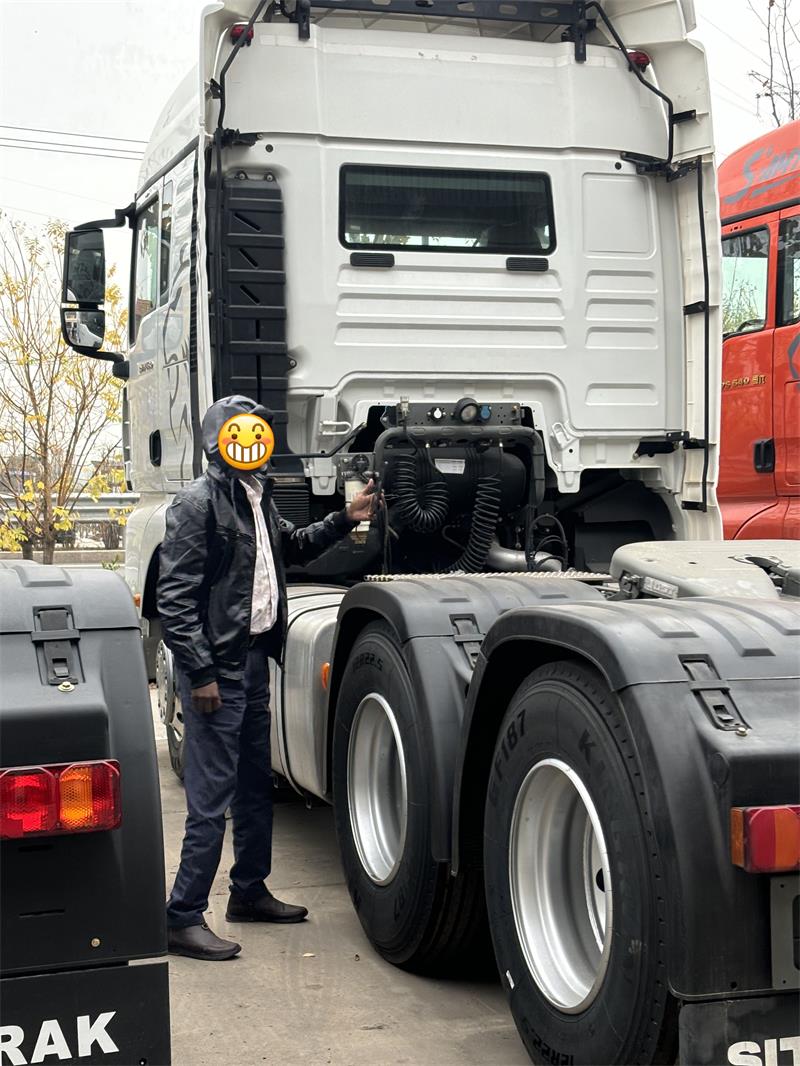
In April 2026, a logistics company from Malawi visited LUYI Auto to evaluate heavy-duty truck options for its growing freight operations. After reviewing vehicle specifications, discussing local road and climate conditions, and confirming delivery and support arrangements, the customer placed an order for three HOWO trucks.
This case was not simply about vehicle sales. It was about helping a fleet operator choose a truck configuration that matched local road conditions, import requirements, operating cost targets, and after-sales expectations. For B2B buyers in developing logistics markets, those factors usually matter more than headline horsepower alone.
The client is a logistics company serving regular cargo transport needs in Malawi, including medium-distance freight movement and urban delivery work. As fleet utilization increased, they needed more dependable trucks that could handle daily operating pressure without pushing fuel, maintenance, and downtime costs too high.
Rather than choosing a higher-priced European or American model, the client was looking for a practical solution with the right balance of performance, parts availability, and long-term operating economy. During their visit, they assessed not only the trucks themselves, but also LUYI’s ability to support documentation, shipping, training, and ongoing service.
This order involved several requirements that are common in African freight operations and should be addressed before final truck selection.
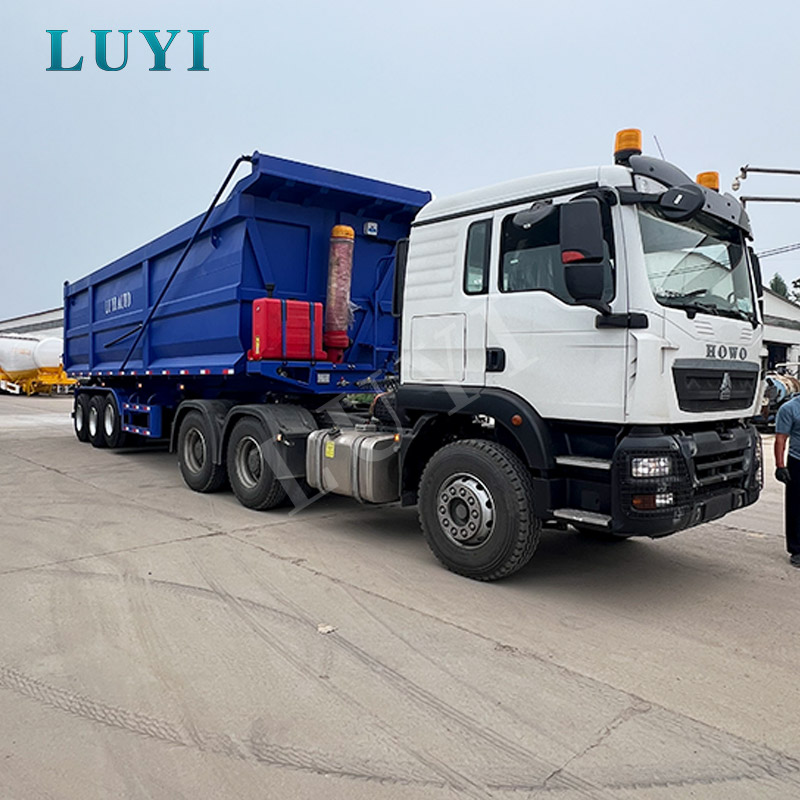
After reviewing the customer’s application and route conditions, LUYI recommended a solution built around the truck product category, with focus on a HOWO configuration suitable for logistics work in demanding road environments.
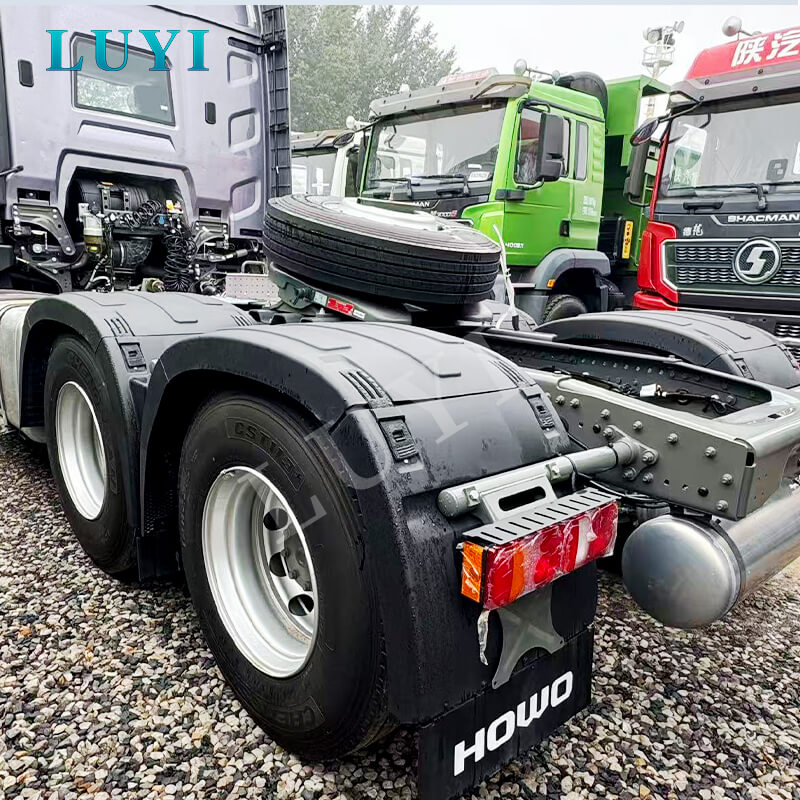
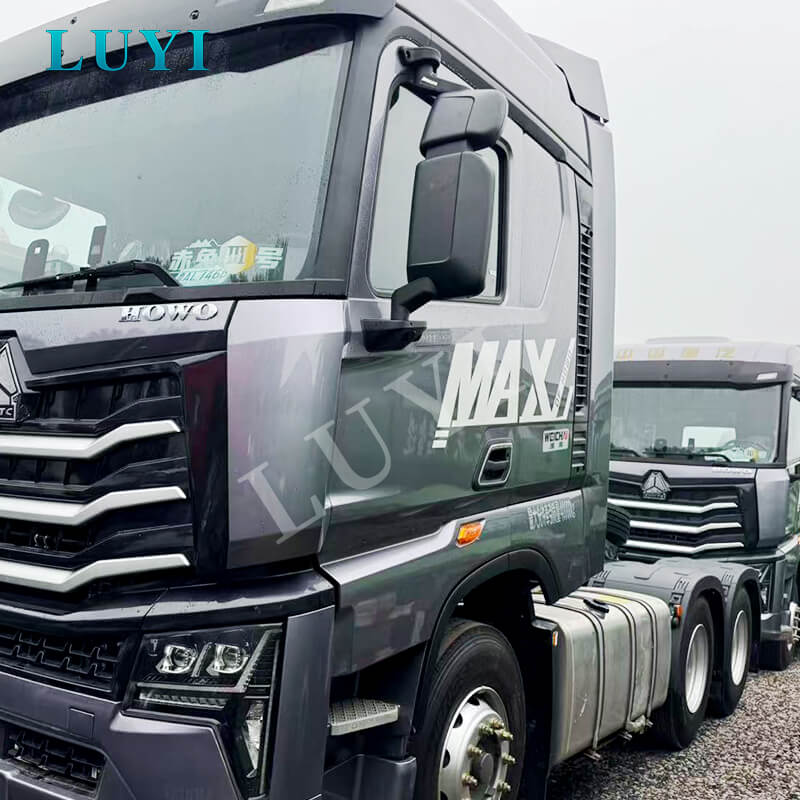
The recommended model was based on LUYI’s HOWO truck offering and aligned with the platform shown on the HOWO truck product page. For this project, the selected direction was a HOWO TX7 6×4 right-hand-drive truck configured for stable performance, reasonable fuel economy, and better usability for the client’s day-to-day operations.
One of the most important parts of this project was not the product list, but the selection logic behind it. The client had already considered premium imported truck options, but those models did not offer the right cost-to-value ratio for the routes and transport tasks involved.
What mattered more was whether the truck could deliver stable freight performance, manageable fuel usage, easier service access, and predictable spare parts support. That is where LUYI’s recommendation created purchasing confidence. Instead of pushing an oversized or over-priced solution, the team focused on a truck that matched the client’s operational reality.
For buyers comparing multiple commercial vehicle options, browsing the full LUYI product portfolio is often useful, but final selection should still be based on route condition, cargo pattern, local compliance, and service expectations.
For many overseas buyers, purchasing the right truck is only part of the process. The other part is making sure documents, shipping, and customs coordination do not create costly delays.
In this project, LUYI’s trade team supported the customer with the required export and import documentation process, including commercial paperwork and shipment coordination. This reduced uncertainty for the buyer and helped move the project forward more smoothly. That kind of support matters especially for first-time cooperation, when buyers need both equipment confidence and transaction confidence.
During the project discussion, the client also evaluated LUYI’s ability to deliver consistent quality rather than just attractive specifications. At LUYI’s factory, production is supported by equipment such as CNC cutting systems and automatic welding equipment, helping improve consistency in fabrication and assembly.
For commercial vehicle exports, the buyer’s real concern is whether the truck will arrive ready for work and remain dependable in service. That is why production control, parts selection, and pre-delivery inspection all play a role in the decision—not just the sales sheet.
For customers who want to understand the company behind the order, LUYI’s about page and service capabilities also help reinforce how the company supports customization, delivery coordination, and after-sales response.
The buyer made it clear that after-sales support was not optional. In markets where service coverage is uneven, even a good truck can become a fleet problem if spare parts, driver training, or technical response are not arranged in advance.
LUYI addressed this concern by discussing remote technical support, operator guidance, spare parts planning, and local response coordination as part of the project itself. This helped the customer evaluate the trucks as an operating solution rather than a one-time purchase.
After reviewing the product, service logic, and project support process, the client confirmed an order for three HOWO trucks. For the logistics company, the project created a more practical path to improve fleet efficiency while controlling fuel and maintenance costs. For LUYI, it marked another step in expanding commercial vehicle cooperation in Southern Africa.
This case also fits naturally within LUYI’s broader case study collection, where international buyers can review how different vehicle and trailer solutions are matched to real transport scenarios.
“The HOWO trucks perform well on our roads, with stable power and reasonable fuel use. LUYI’s support on training and spare parts also gave us confidence. We expect to continue growing our fleet with them.”
Many fleet purchases fail because the focus stays too narrow: engine power, price, or brand alone. This project shows that for logistics operators, the better decision usually comes from looking at the full operating picture—road condition, service access, fuel cost, maintenance rhythm, compliance, and delivery support together.
If your company is evaluating trucks for African freight, regional distribution, infrastructure supply, or mixed road transport, it is worth discussing the real application first and the model second. That approach usually leads to a more durable and commercially sound fleet decision.
Because the client needed a truck aligned with local driving requirements and import expectations. Right-hand-drive configuration was an important practical requirement from the start.
The selected setup was designed for medium-distance freight movement and urban delivery work, where stable uptime, practical power, and cost control all matter.
The client was looking for stronger value in daily operations. Fuel economy, maintenance cost, and easier spare parts access were more important than paying a premium for a higher-cost brand.
Yes. The customer considered service responsiveness, spare parts planning, and technical support to be essential, because downtime would directly affect logistics performance.
Yes. Configuration support can be discussed based on route conditions, driving position, application type, destination market, and other project-specific needs.
If you are sourcing heavy-duty trucks for African logistics, construction supply, municipal transport, or regional freight work, send your route condition, cargo type, required drive configuration, destination market, and quantity through the LUYI inquiry page. Our team can recommend a truck solution based on actual operating requirements rather than a generic catalog match.