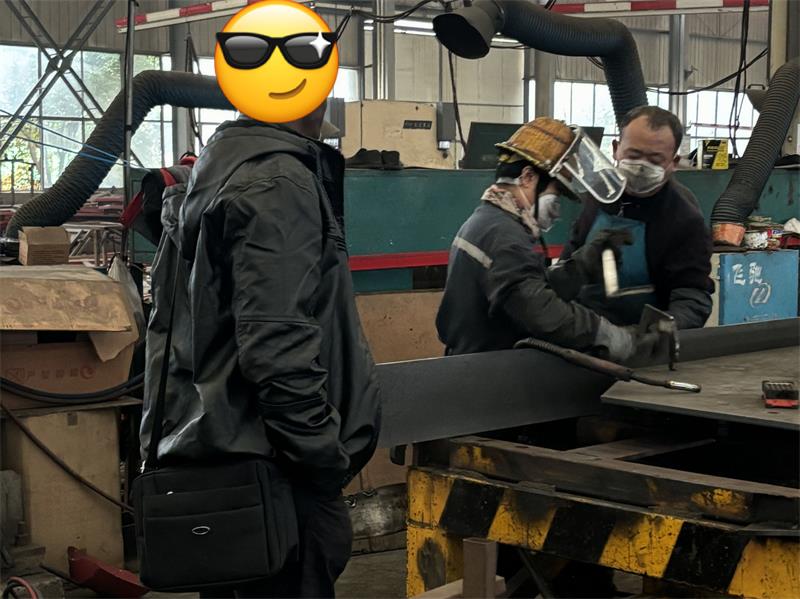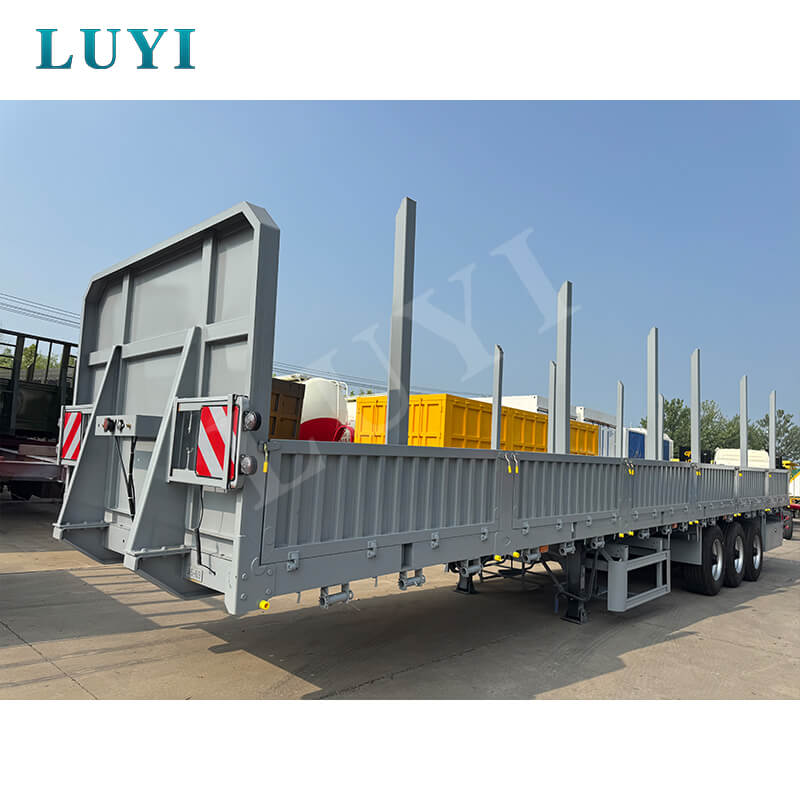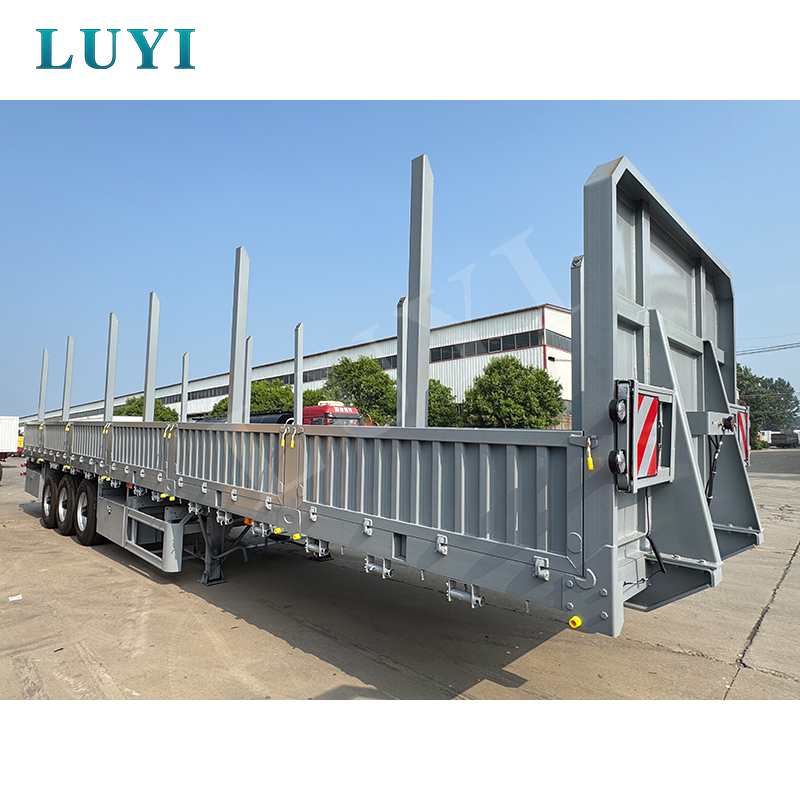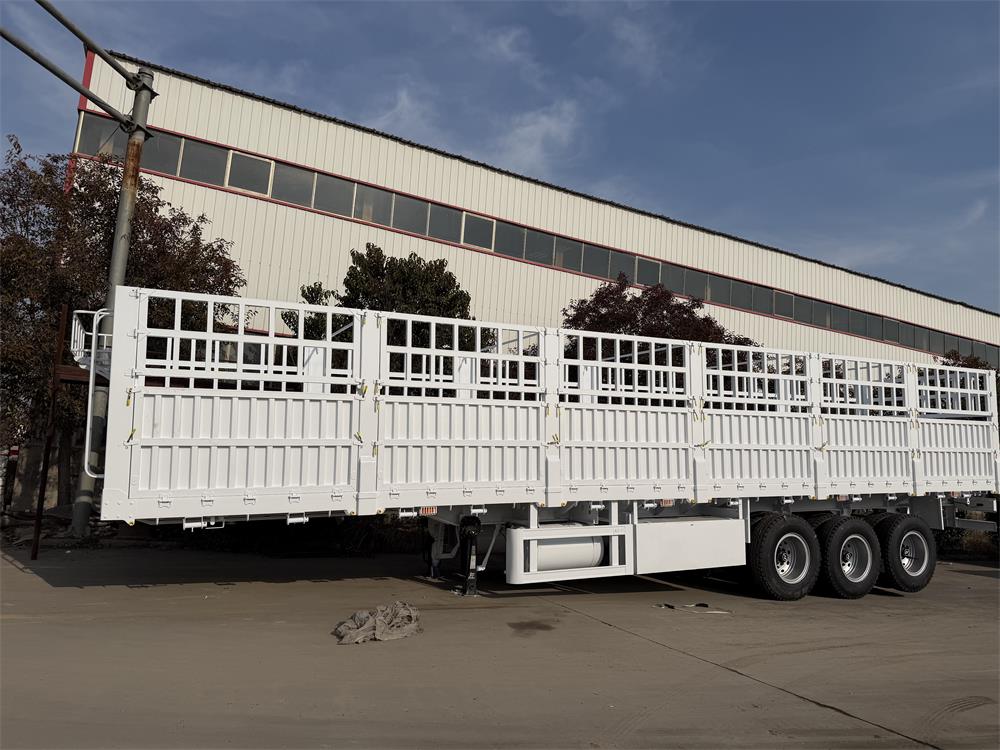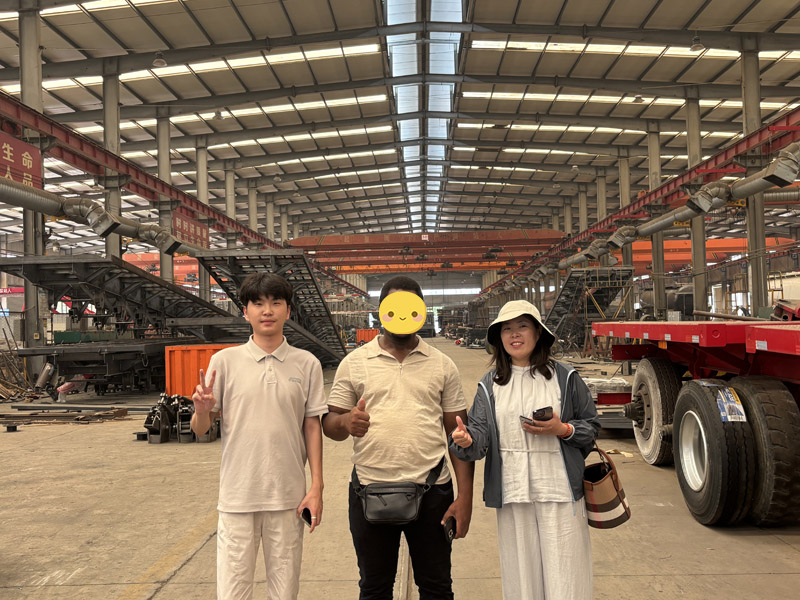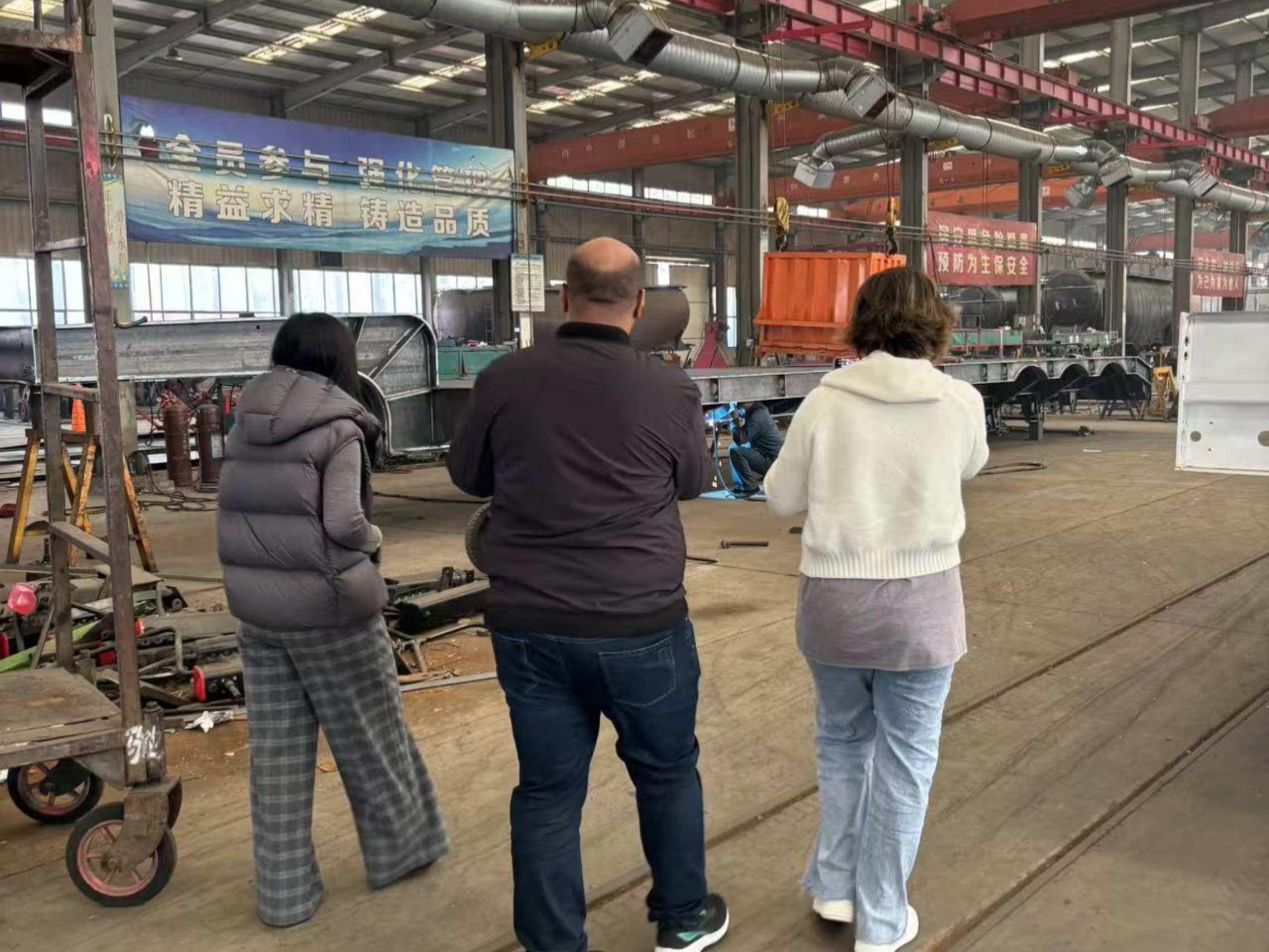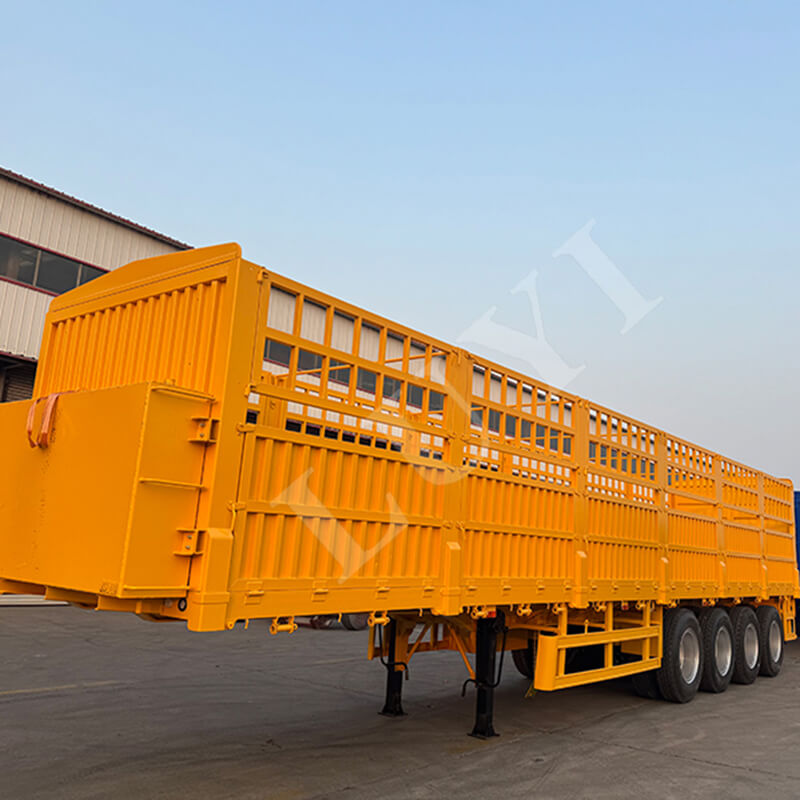
In April 2026, a logistics client from the Comoros visited LUYI Auto’s headquarters to inspect our manufacturing capability, review trailer specifications, and discuss a practical solution for local bulk cargo transport. After touring the factory, checking product details, and evaluating our after-sales support approach, the customer placed an order for three custom tri-axle side wall semi-trailers.
This project was not a standard trailer transaction. The customer needed units that could adapt to narrow island roads, handle different cargo types, resist long-term exposure to humidity and salt spray, and be delivered quickly enough to support their transport schedule. That combination of terrain, climate, and operating flexibility made application-based customization more important than simply selecting a standard trailer from a catalog.
The client operates in the Comoros, where logistics conditions are shaped by mountainous roads, variable cargo types, and a tropical coastal environment. Before confirming the order, the buyer wanted to verify whether LUYI could provide a trailer solution that was compact enough for local roads, durable enough for repeated use, and flexible enough for different transport tasks.
During the visit, the customer did not only inspect finished trailers. They also discussed technical details with our team, reviewed product structure and component choices, and evaluated whether LUYI could support delivery, training, and future spare parts needs. That kind of face-to-face verification is often decisive in first-time international cooperation.
This project involved several real operating constraints that are highly relevant for buyers in island, coastal, and mixed-cargo transport markets.
For many B2B buyers, these are exactly the conditions that separate a workable trailer solution from a costly purchasing mistake.
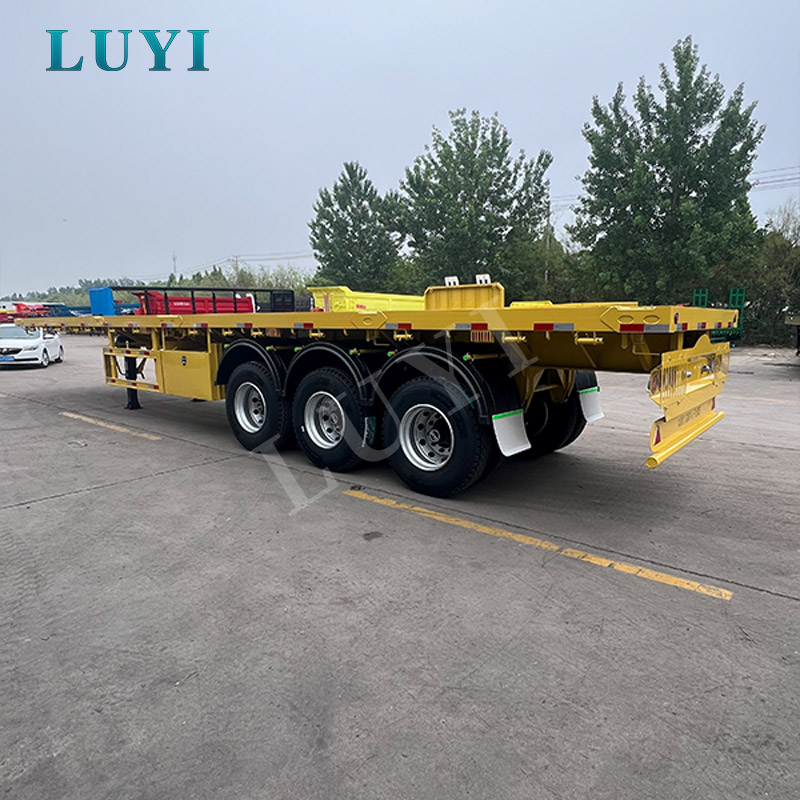
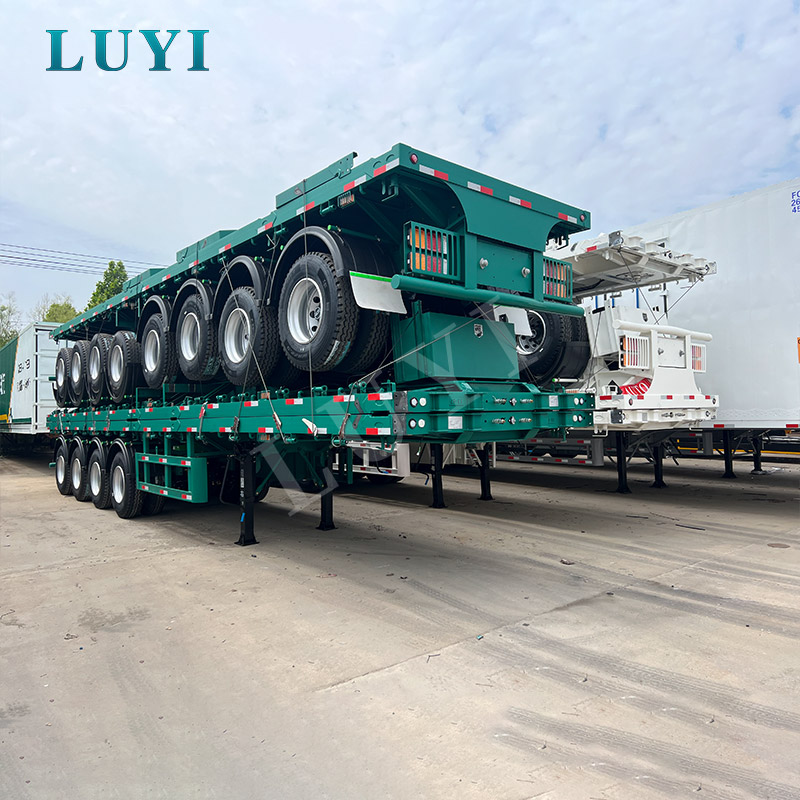
Based on the client’s operating environment, LUYI proposed a customized solution within our sidewall semi-trailer category, focusing on compact maneuverability, flexible cargo loading, and stronger corrosion resistance for coastal use.
The configuration logic was also consistent with the heavy-duty transport principles shown on our side wall semi-trailer product page, then adjusted around the client’s specific route and cargo demands rather than being treated as a generic export model.
These details mattered because the buyer was not simply asking for “three side wall trailers.” They were looking for a trailer package matched to local roads, changing freight requirements, and coastal exposure.
The shortened wheelbase and lighter structural approach improved suitability for tighter roads, while the removable or foldable side walls increased cargo flexibility without requiring separate trailer types for different jobs. That is especially valuable for transport operators who cannot afford underutilized equipment.
At the same time, the corrosion-protection system addressed a major risk in the Comoros operating environment. In humid and salt-air regions, anti-rust treatment is not a cosmetic feature. It directly affects trailer life, maintenance intervals, and long-term ownership cost. This is why LUYI positioned the solution around actual working conditions rather than just payload figures.
One of the reasons the client gained confidence during the visit was the ability to review how LUYI manufactures and checks trailer components in practice. At LUYI’s factory, buyers can evaluate how structural parts are cut, welded, assembled, and finished before final delivery.
For this project, the customer paid close attention to production consistency and durability controls. According to the project record, LUYI used precision laser and CNC cutting, robotic welding with 100% ultrasonic flaw detection, and a surface treatment process that included derusting, phosphating, electrophoresis, and painting. Finished trailers were then tested for static load, braking, and water resistance before release.
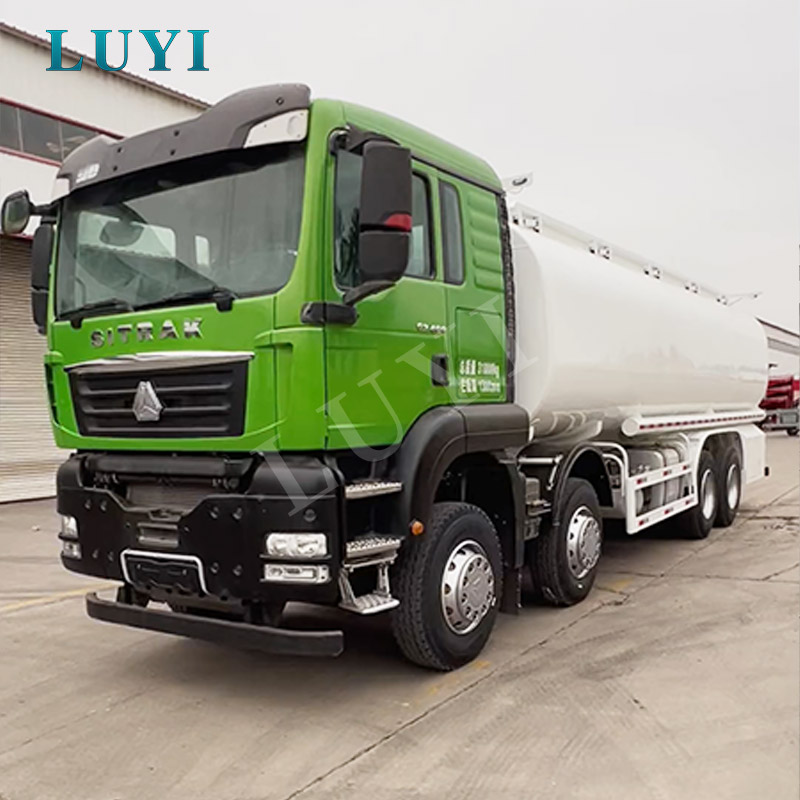
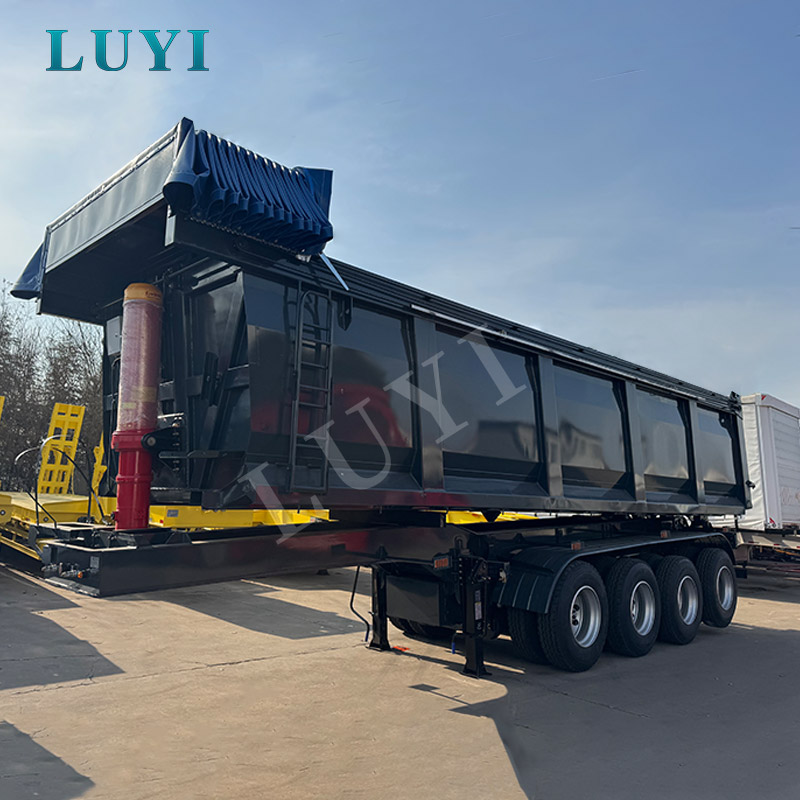
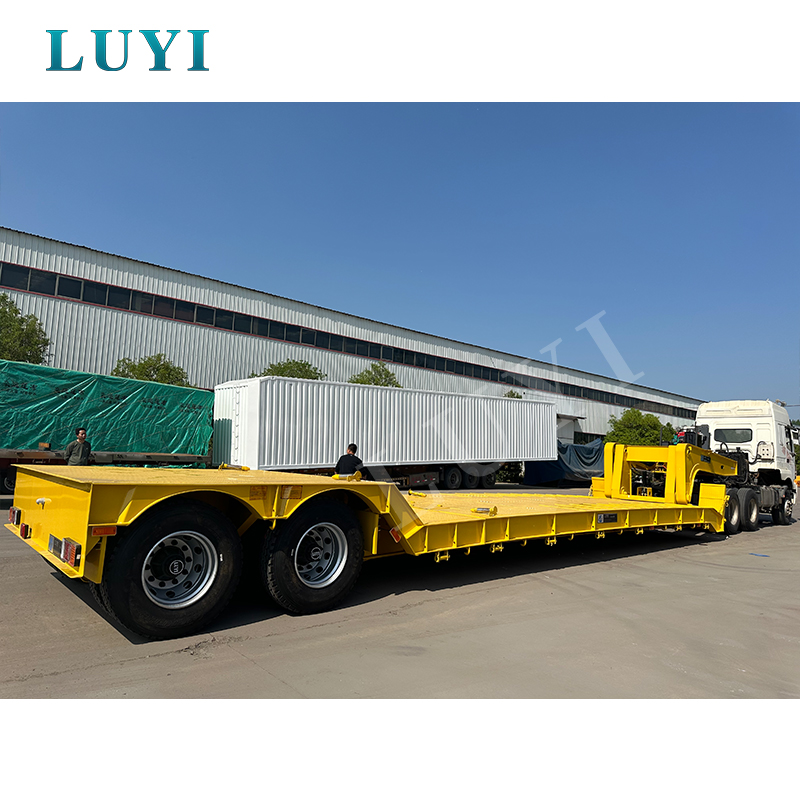
For buyers who also want to understand the company behind the product, LUYI’s company background and overall semi-trailer product range provide a broader view of our manufacturing focus and trailer applications.
Delivery speed was another key concern in this case. The client needed the trailers quickly and also wanted technical guidance after arrival, rather than being left to handle setup independently.
To support that requirement, LUYI used a dedicated logistics arrangement to keep the shipment on schedule and sent technical personnel to assist with installation, commissioning, and training after delivery. The client’s drivers and maintenance staff received guidance on operation and daily care, while long-term support included 24-hour online assistance and spare parts coordination.
According to the project record, the delivered trailers helped the client increase transport efficiency by 30% while reducing operating cost by 15%. The equipment also achieved a reported 98% attendance rate, reflecting dependable use in the client’s actual transport environment. The buyer expressed strong satisfaction and indicated interest in future cooperation.
For LUYI, this project also strengthened our position in the East African market and added another practical project reference within our case study section, where buyers can review how different trailer solutions are matched to real operating conditions.
“We’re really happy with how things went with Luyi. The trailers work great on our rough roads, and they handle all our cargo perfectly. We love how light they are, the side walls that come off, and how well they hold up against the salt and humidity. The on-site training and after-sales support took all the stress out of using the new trailers—we didn’t have to figure anything out on our own. We’re excited to keep working with Luyi for years to come.”
This project is useful for other buyers because it shows that trailer selection should start with route conditions, climate exposure, and cargo pattern—not just with axle count or quoted price. In coastal and island markets, maneuverability, corrosion resistance, and operational flexibility can be more commercially important than a larger standard configuration.
For transport companies handling mixed freight, construction materials, bagged goods, or general cargo under variable road conditions, a custom side wall trailer often creates better long-term value than a purely standard build. Buyers evaluating these options can also compare related side wall case content, such as LUYI’s DRC side wall semi-trailer case study, to see how configuration logic changes by application.
Yes. In this project, the configuration included a more compact wheelbase and a lighter but high-strength structural design to improve maneuverability while maintaining durability.
Because the client handled different types of cargo. This design made it easier to switch between bulk goods, construction materials, and other transport tasks without needing separate trailer types.
LUYI used a surface treatment process including electrophoresis and spray painting, and the project record states the anti-corrosion performance exceeded 1000 hours.
According to the case record, custom trailer production usually takes around 25 to 30 working days, and this project was delivered in 28 days.
The case included on-site installation and training support, 24-hour online assistance, and quick spare parts access planning for long-term operation.
If you are sourcing a side wall semi-trailer for island logistics, coastal cargo transport, mixed freight operations, or rough-road distribution work, send your route conditions, cargo type, required payload, destination market, and quantity through the LUYI inquiry page. Our team can recommend a configuration based on actual transport conditions instead of a generic export template.
Author:LUYI Auto Trailer Engineering Content Team
Source:Based on a real April 2026 LUYI Auto Comoros client visit and project communication record.