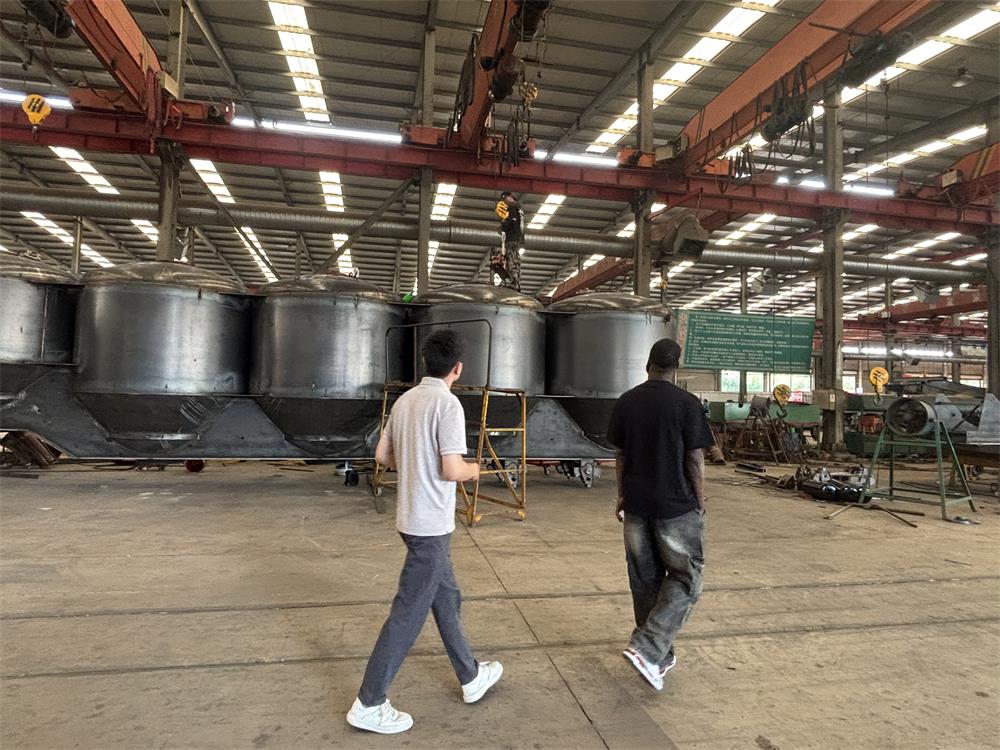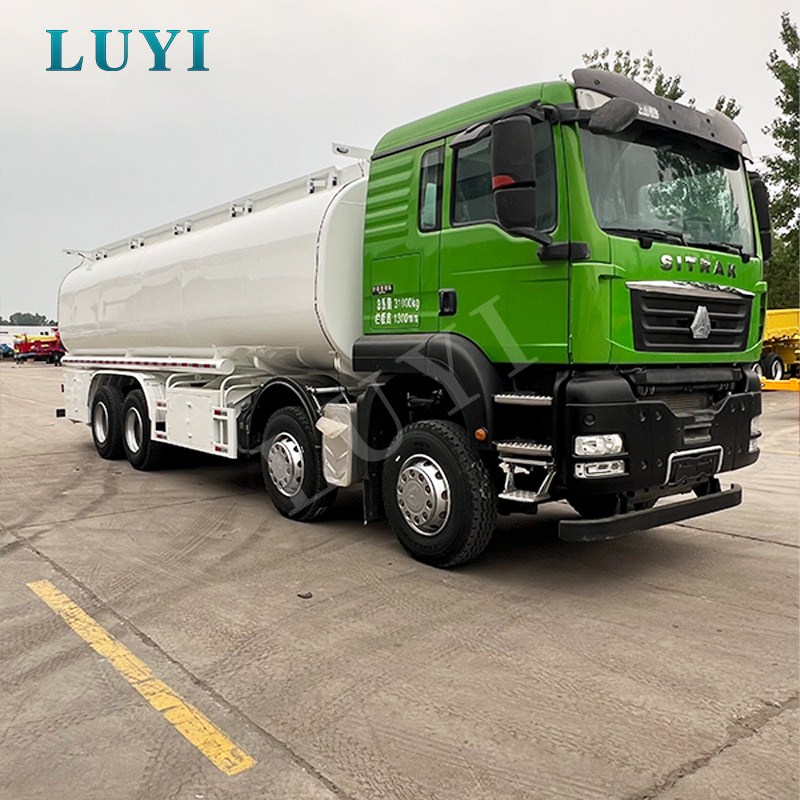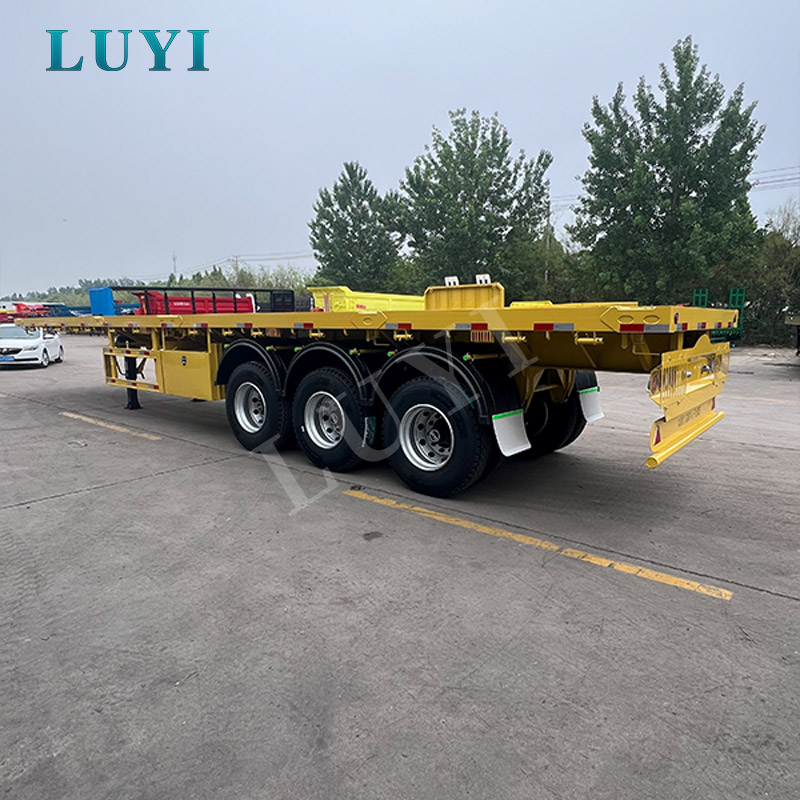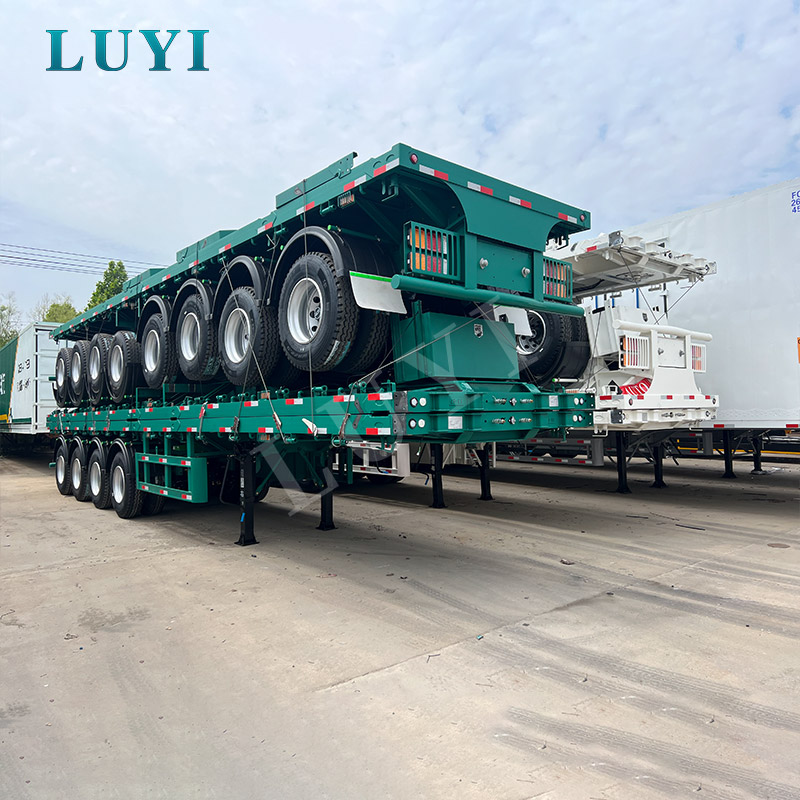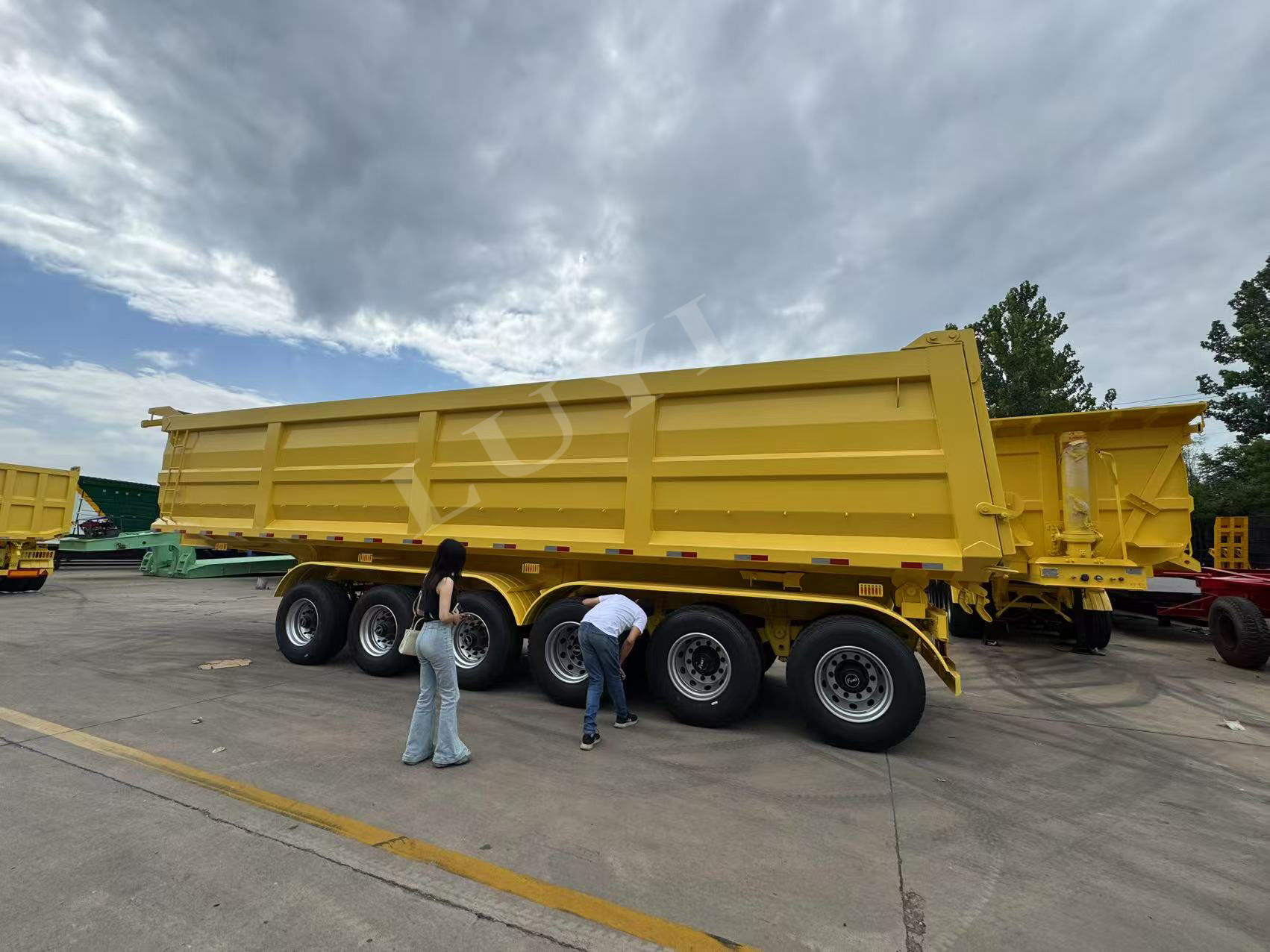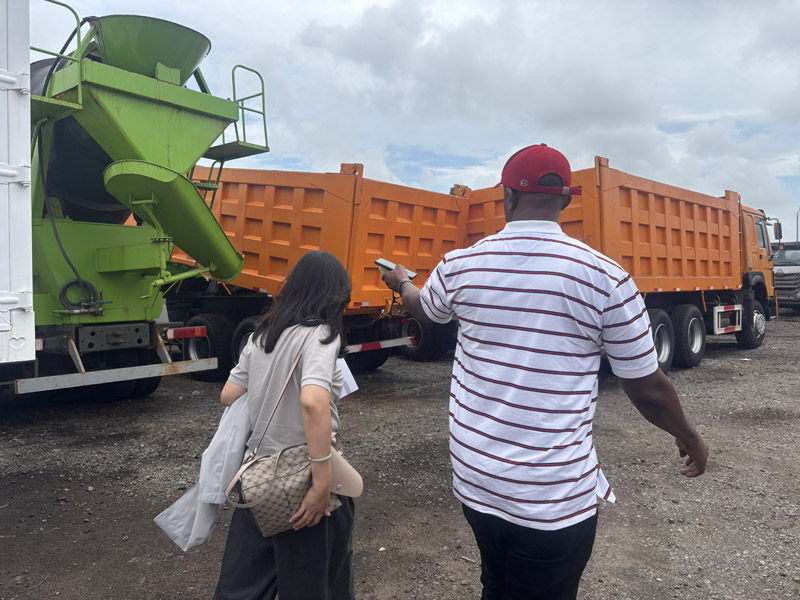
In April 2026, a logistics customer from Zimbabwe visited Luyi Auto to inspect production capacity, trailer quality, and service support before making a purchasing decision. After on-site communication with our engineering and sales teams, the customer confirmed an order for two custom sidewall semi-trailers for cross-border agricultural and bulk cargo transport.
This project was not simply about supplying two trailers. It involved matching trailer structure, sidewall design, braking configuration, and corrosion protection to real transport conditions in Zimbabwe, where fleets often run between paved highways, regional freight corridors, and rough rural roads. For buyers comparing suppliers, this kind of visit-based decision reflects what matters most in practice: whether the manufacturer can understand the route, cargo, loading habits, maintenance expectations, and export delivery requirements behind the order.
Zimbabwe’s transport demand is closely linked to agriculture, regional trade, and mining-related movement. The customer in this case mainly handles tobacco, corn, packaged cargo, and part of the bulk materials used in local trade and industrial circulation. Because trailer utilization is high and operating conditions vary from one route to another, the buyer wanted to verify whether the supplier could provide a durable, cost-effective, and export-ready transport solution rather than just a standard trailer.
Before the visit, the customer had already followed Luyi Auto’s products and market reputation for some time. The final decision depended on several practical questions:
During the factory visit, the customer reviewed our manufacturing facility, discussed configuration details with the technical team, and checked how Luyi manages production quality and export preparation. This direct verification helped shorten the decision cycle and increased confidence in the final order.
One of the main challenges was road diversity. The customer’s routes include both relatively stable highways and rural roads with uneven surfaces, dust, and repeated vibration. Under these conditions, trailer durability is not determined by payload alone. Buyers also need to consider beam strength, suspension reliability, weld quality, anti-corrosion treatment, and braking stability over long distances.
The customer was not transporting one single cargo type. Agricultural products such as tobacco and corn require cargo containment and loading convenience, while occasional mining-related materials demand structural strength and floor durability. A trailer body that is too closed can reduce loading flexibility, while a weak sidewall design may not perform well in repeated freight operations.
Like many African fleet buyers, the customer was balancing total procurement cost with service life. The real issue was not choosing the lowest price, but choosing a trailer that could lower long-term operating risk. Frequent repairs, delayed spare parts, and customs issues can easily turn a cheap trailer into an expensive one.
Because imported trailers remain an important part of the Zimbabwean market, the customer also paid close attention to export documentation, customs readiness, and service responsiveness. They wanted a supplier that could provide both the product and the support system behind the product.
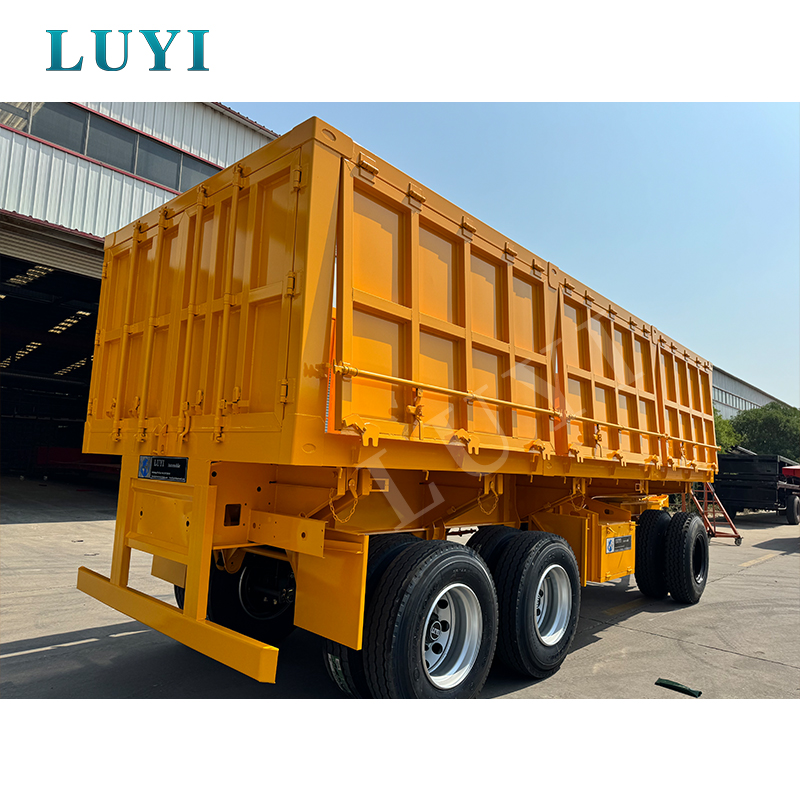
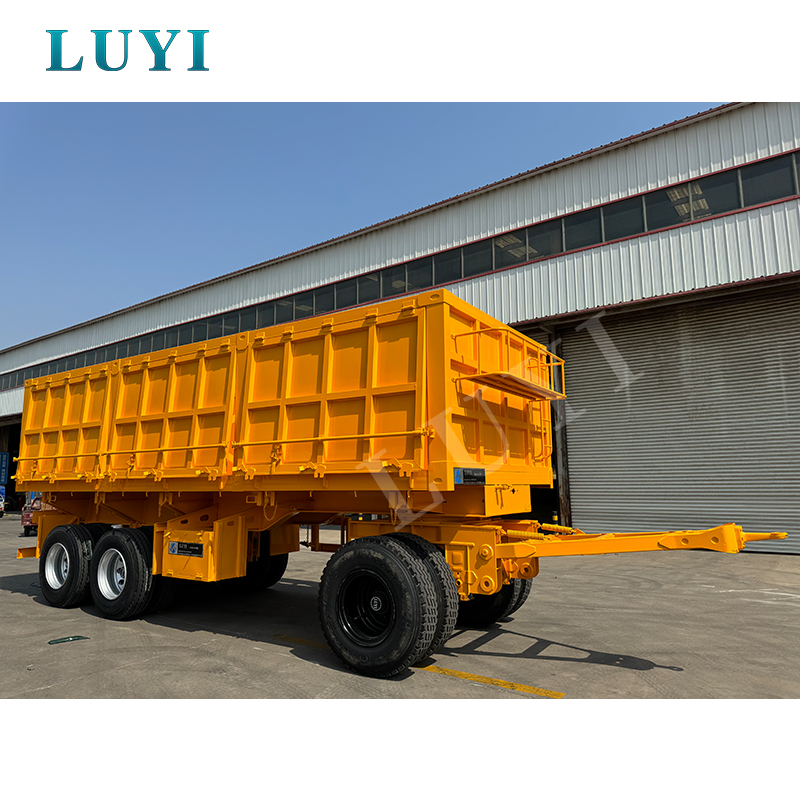
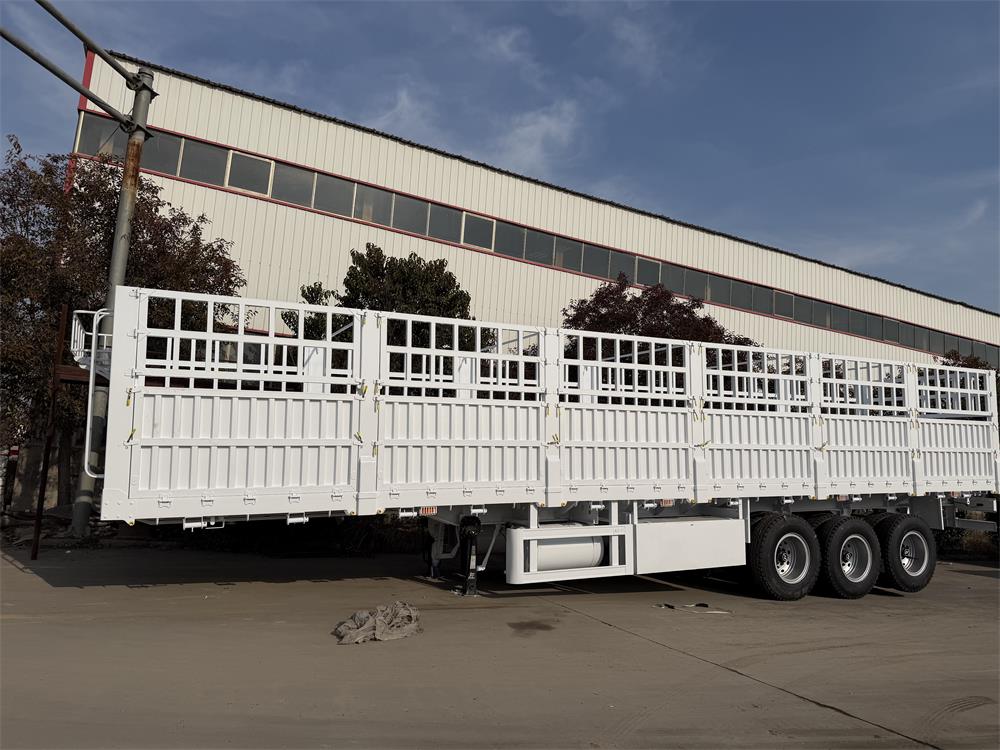
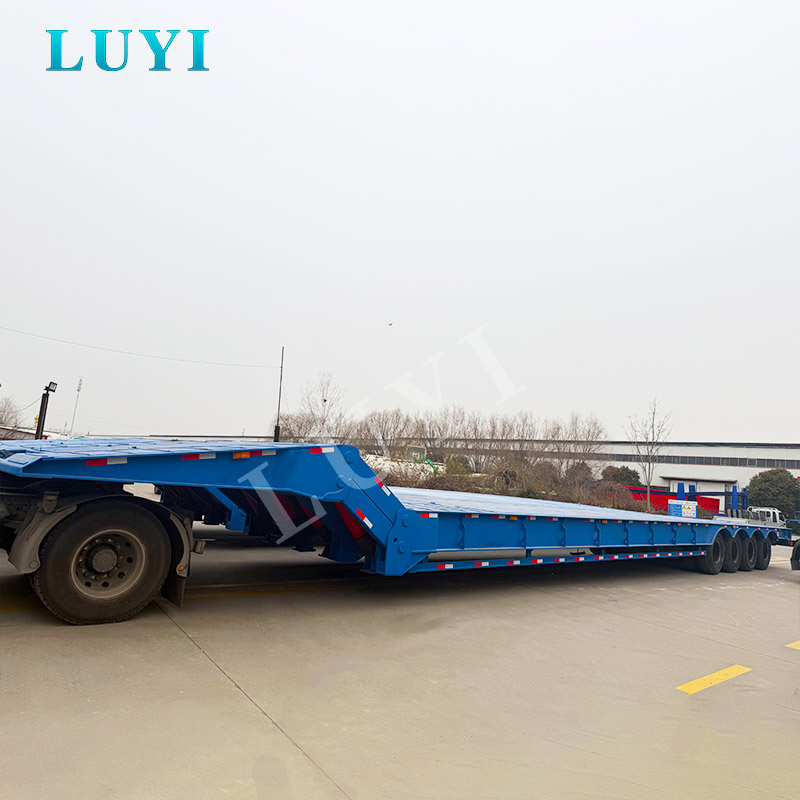
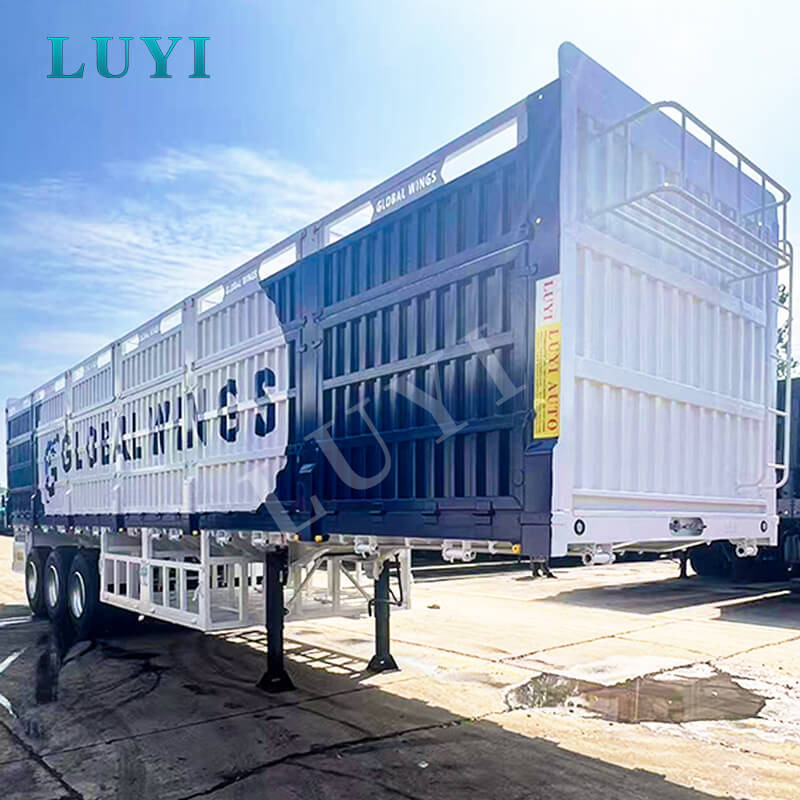
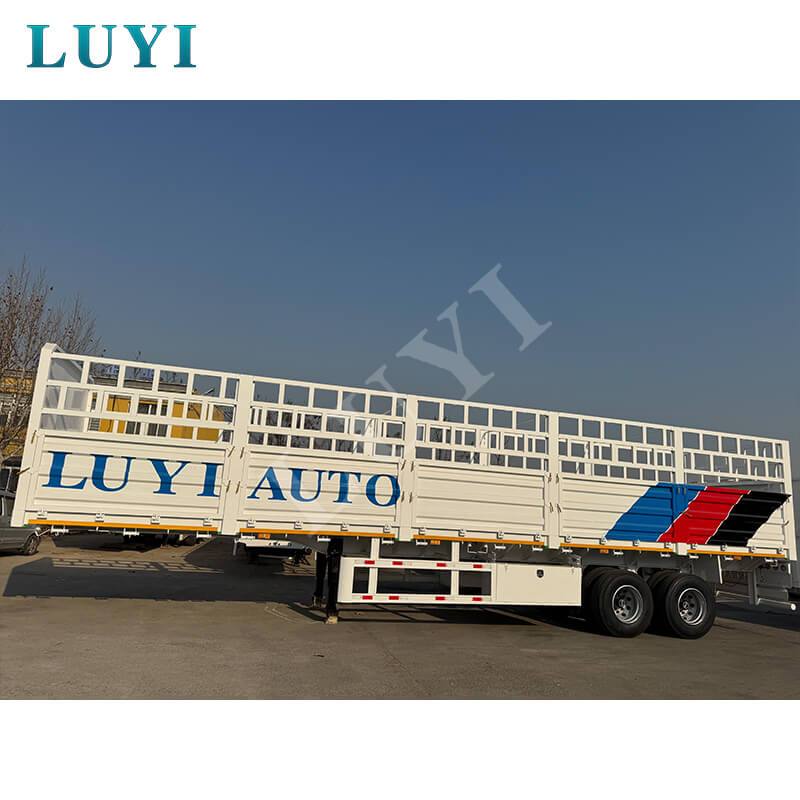
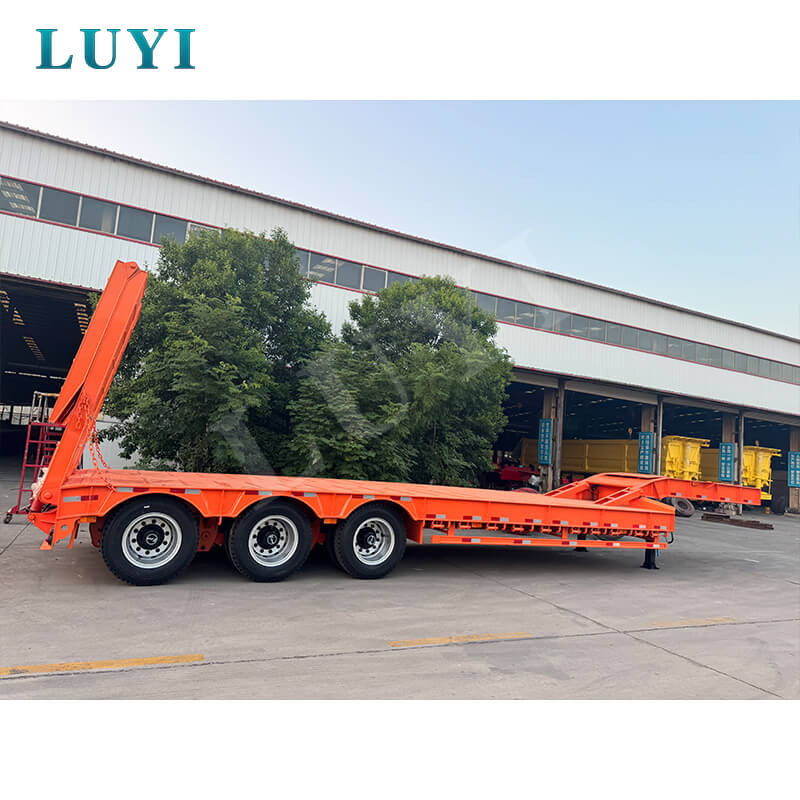
After understanding the customer’s freight profile and route conditions, Luyi Auto recommended a custom configuration based on our 3-axle side wall trailer platform. The objective was straightforward: improve cargo adaptability, maintain structural durability, and keep the specification practical for Zimbabwe’s actual transport environment.
| Item | Specification |
|---|---|
| Trailer Type | Custom 3-axle sidewall semi-trailer |
| Overall Size | 12500 × 2500 × 2200 mm |
| Rated Load Capacity | 60 tons |
| Main Beam Material | Q345B high-strength steel |
| Main Beam Thickness | Upper plate 14 mm / Lower plate 16 mm / Middle plate 8 mm |
| Sidewall Design | 800 mm detachable sidewalls |
| Axles | BPW axles |
| Suspension | Mechanical suspension |
| Brake System | Dual-line braking system, ABS optional |
| Floor | 3 mm anti-slip floor plate |
| Electrical System | 24V lighting system |
| Landing Gear | 28-ton landing gear |
| Accessories | Tool box and 2 spare tire carriers |
The main beam was strengthened with Q345B steel to improve resistance to bending and fatigue under heavy and repetitive loading. This is especially important when operating over uneven ground or mixed freight routes. The 800 mm detachable sidewalls gave the customer more flexibility when switching between agricultural goods, packaged products, and bulk materials. This design supports safer cargo containment while making loading and unloading more convenient.
For running gear, the use of BPW axles and mechanical suspension gave the customer a practical balance between reliability, maintenance familiarity, and procurement budget. The anti-slip floor improved loading safety, while the dual-line braking system enhanced control during highway and regional transport. ABS was kept as an optional item depending on the customer’s final operational preference and regulatory planning.
For overseas fleet buyers, configuration alone is not enough. The real value lies in whether the trailer is built consistently and inspected with discipline. During the visit, the customer checked how Luyi Auto controls key production stages and whether those processes match the promises made during quotation.
The customer paid particular attention to frame workmanship, welding quality, and paint treatment because these directly affect trailer life in export markets with dust, rain exposure, and long working distances. Our team also explained how our broader service support process covers pre-sale recommendation, technical confirmation, production follow-up, spare parts coordination, and post-delivery communication.
To reduce project risk after order confirmation, the delivery plan was discussed early rather than after production completion. For African projects, logistics reliability and customs readiness are just as important as the manufacturing schedule. Luyi Auto prepared export documentation in advance and aligned shipment planning with experienced route partners to reduce unnecessary delay during transport.
After delivery, the support plan includes remote guidance, operating advice, maintenance communication, and spare parts response. For customers running multi-route transport operations, response speed matters because downtime can affect both cargo schedules and fleet profitability. This is one reason many buyers also review our company background and technical team before confirming cooperation.
From the customer’s perspective, the project delivered a trailer solution that better matched actual freight conditions instead of forcing their business into a generic configuration. The result is expected to support safer cargo handling, better transport efficiency, and lower long-term operating disruption.
From Luyi Auto’s side, the project represents more than a two-unit order. It reflects growing recognition from African buyers who prefer to verify manufacturing capability, customization logic, and service credibility before procurement. It also strengthens Luyi’s presence in the regional market alongside other semi-trailer case studies developed for African transport, construction, and bulk cargo applications.
“We’ve visited many factories, but Luyi’s production, quality and service impressed us strongly. The custom solution fits our transport needs well and gives us confidence for long-term cooperation.”
For buyers evaluating similar applications, this project is a useful example of how a semi trailer manufacturer should support decision-making: by aligning structure, load logic, service planning, and export execution with real operating needs.
The typical production cycle is around 30 to 45 working days after technical confirmation and order approval, depending on configuration complexity and production schedule.
Yes. Sidewall height, axle brand, suspension type, braking options, load capacity, and anti-corrosion treatment can all be adjusted based on route conditions, cargo type, and local usage preferences.
No. It is suitable for a range of applications including agricultural products, packaged goods, bagged materials, and selected bulk freight operations where sidewall loading flexibility is required.
Luyi Auto provides remote technical assistance, spare parts support, operating guidance, and ongoing communication after delivery. Support scope can also be aligned with project size and order volume.
You can send your transport requirements through the inquiry page or contact the team directly via the contact page. Sharing cargo type, payload, route condition, destination country, and required quantity helps us recommend a more accurate solution.
If your business handles agricultural freight, regional bulk cargo, or cross-border transport in Africa, and you need a trailer built around actual operating conditions rather than catalog assumptions, Luyi Auto can help. Send us your route details, cargo type, target load, and procurement plan through our request form, and our team will recommend a suitable sidewall trailer solution for your project.