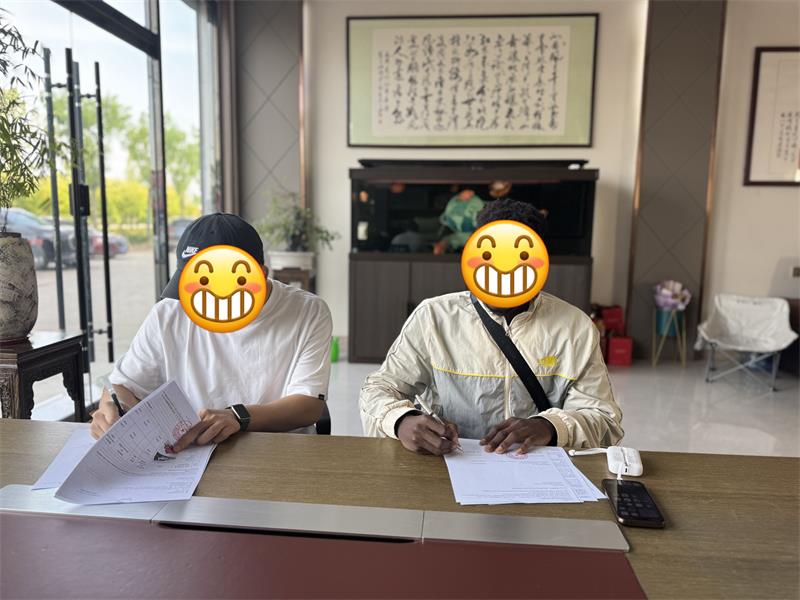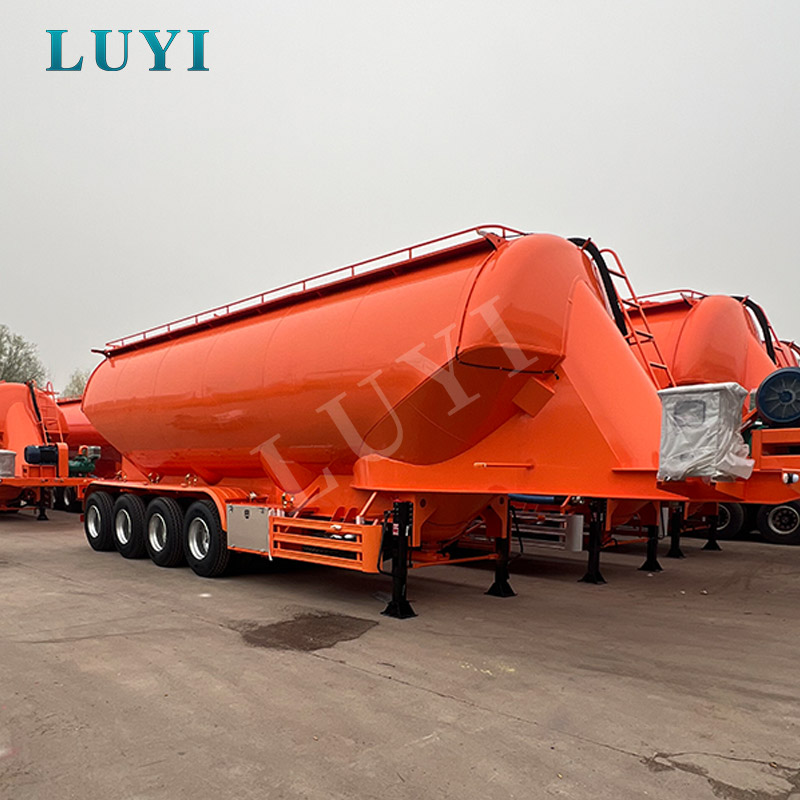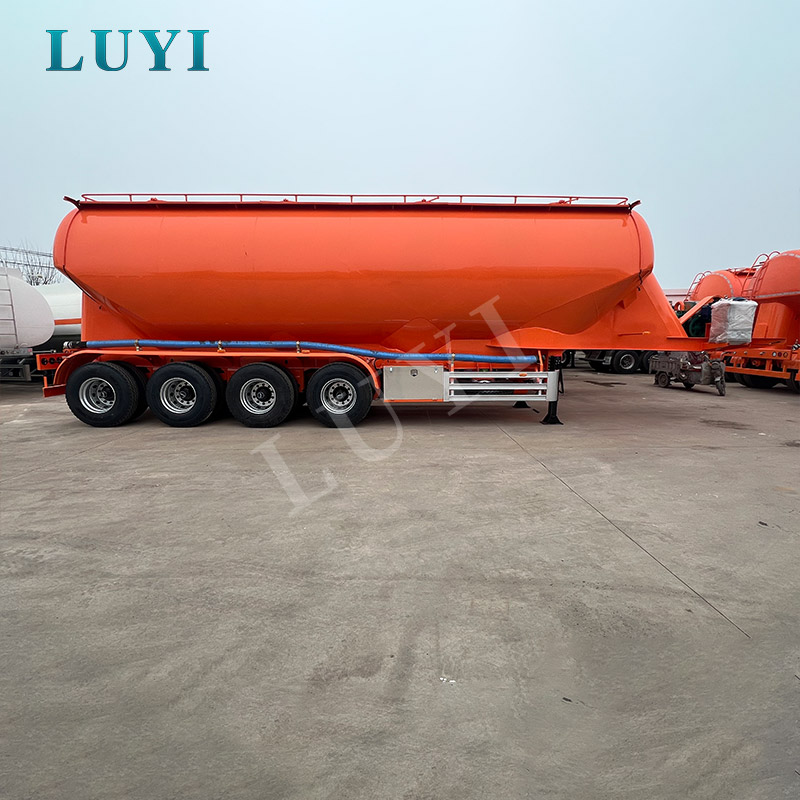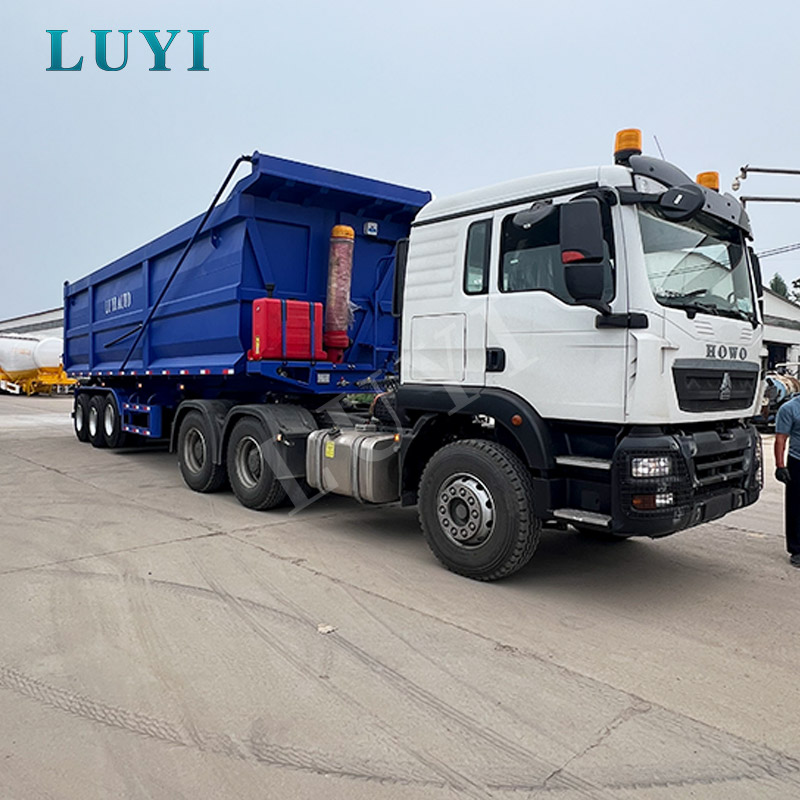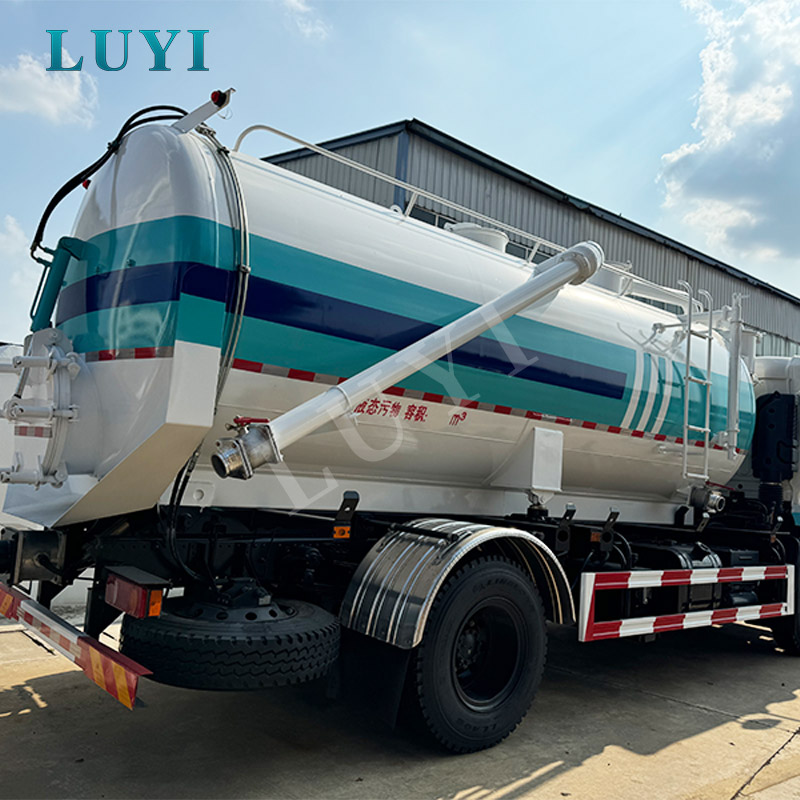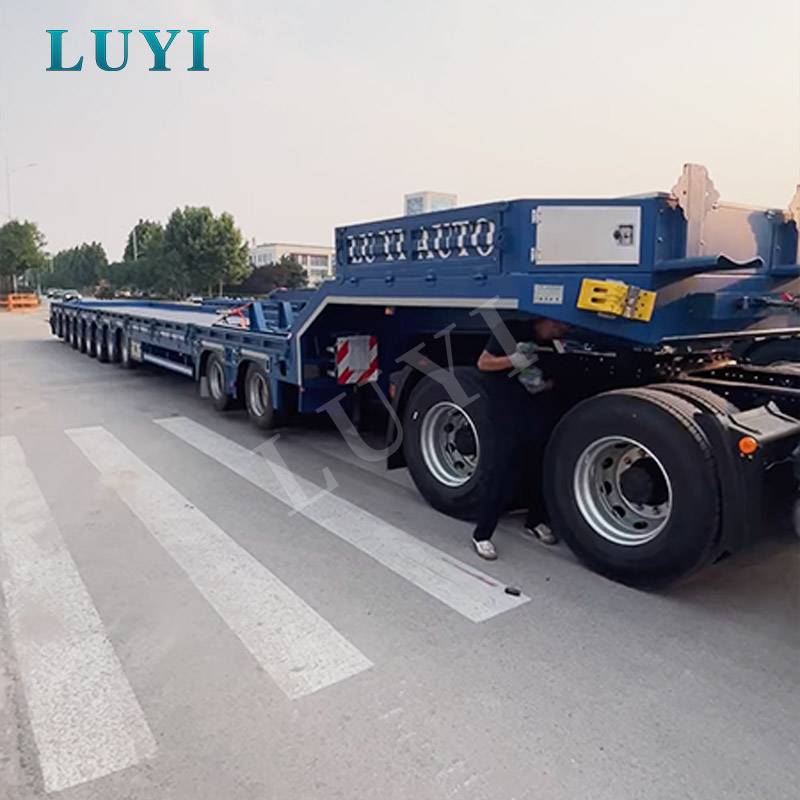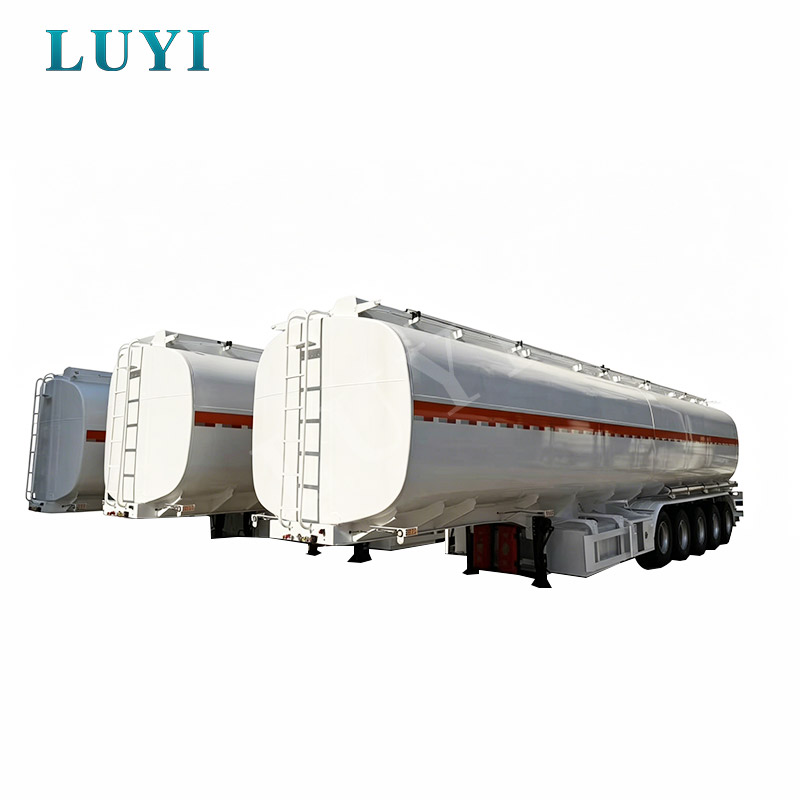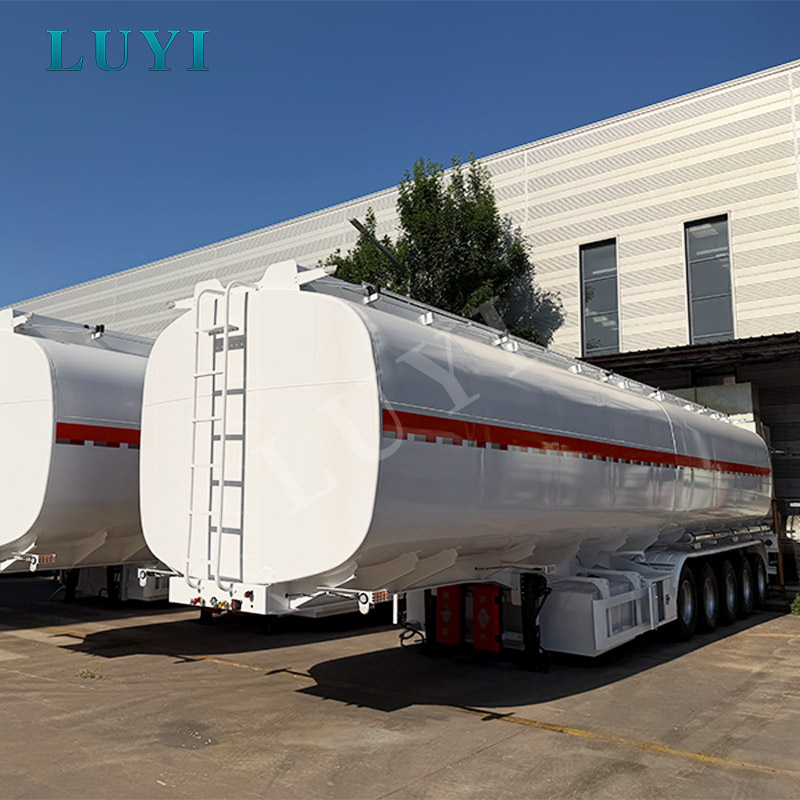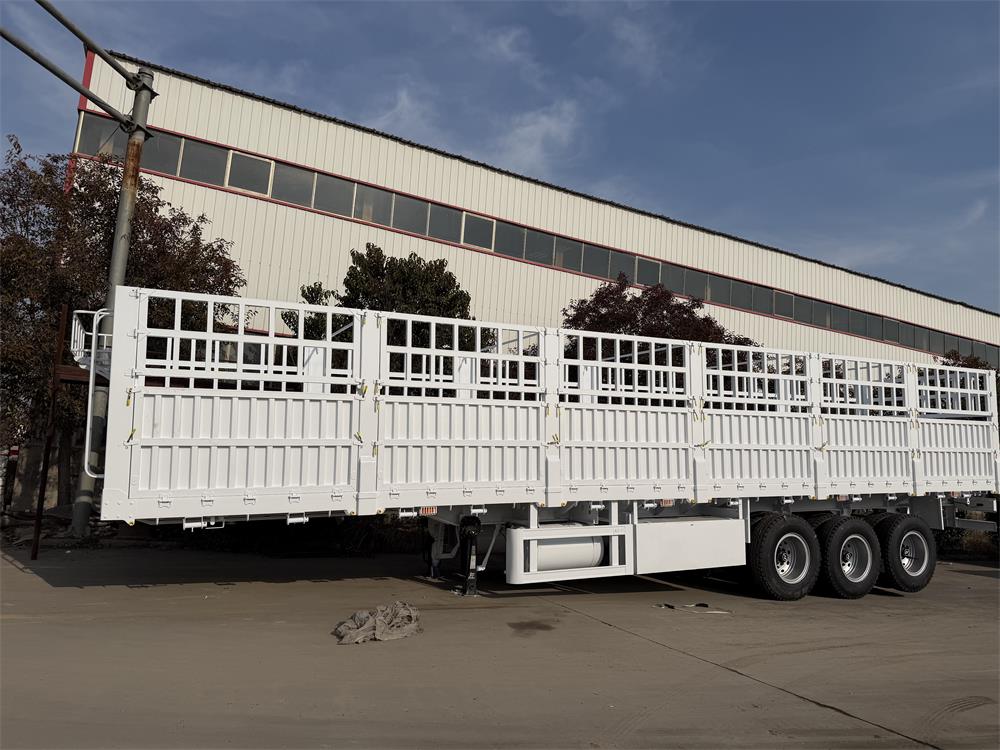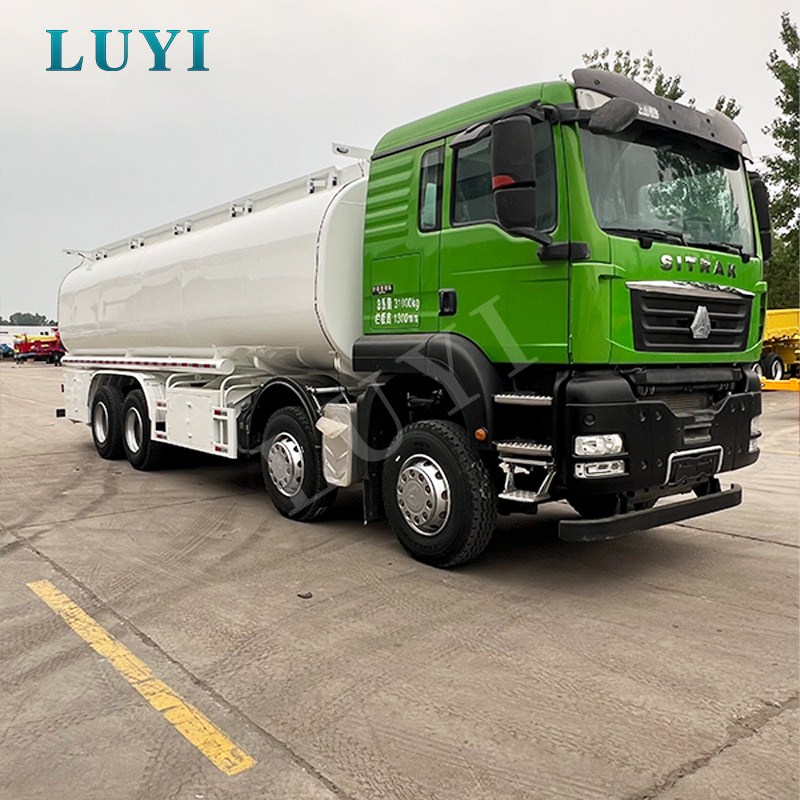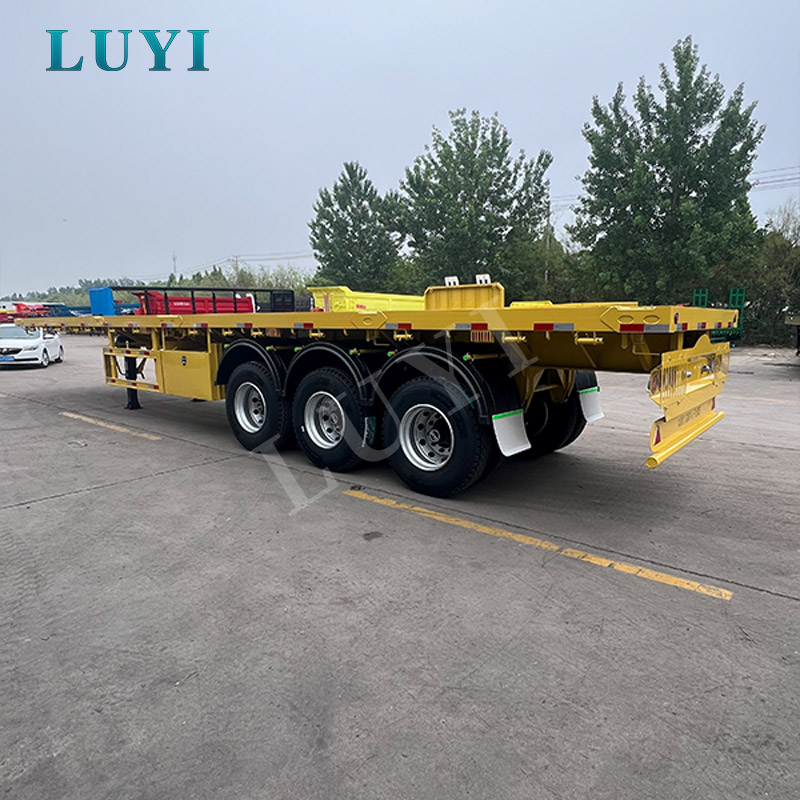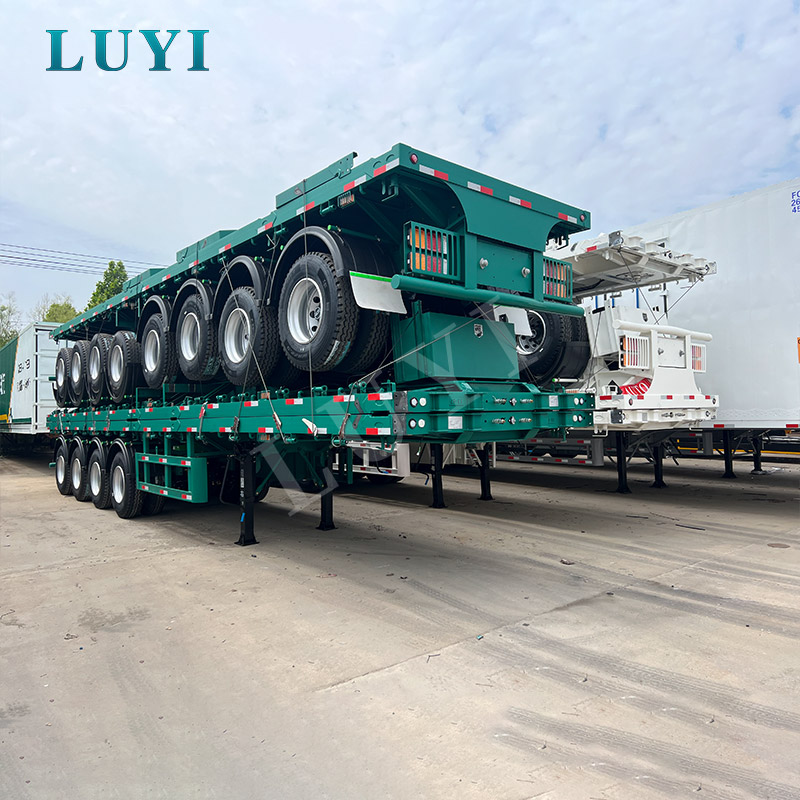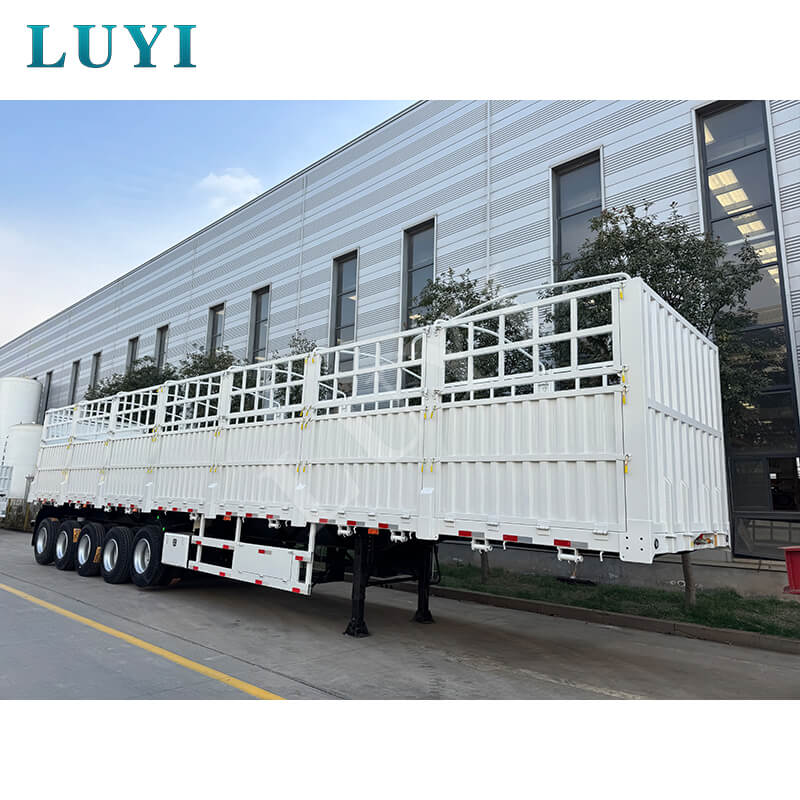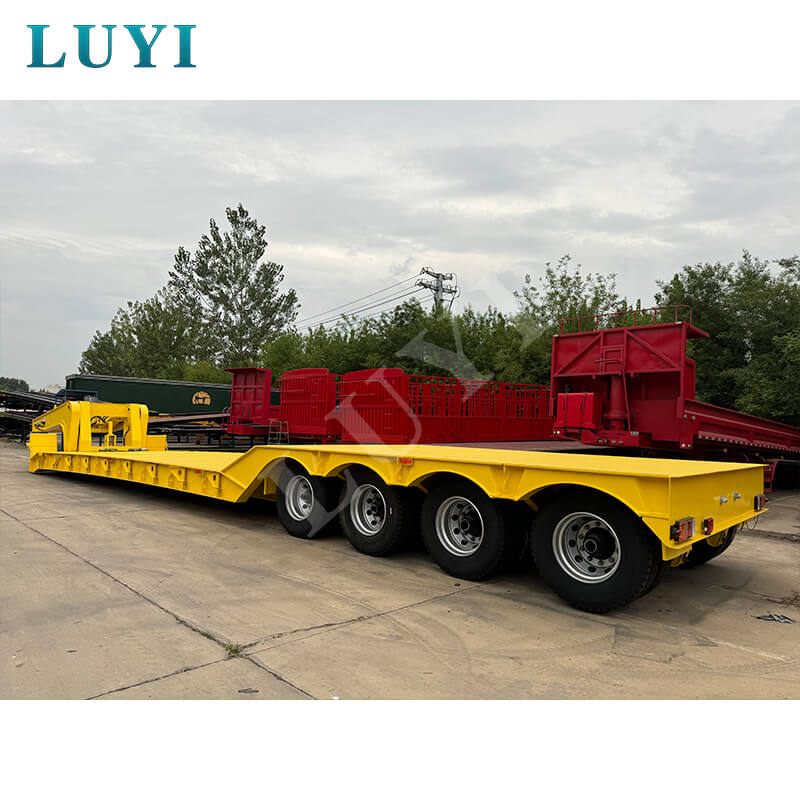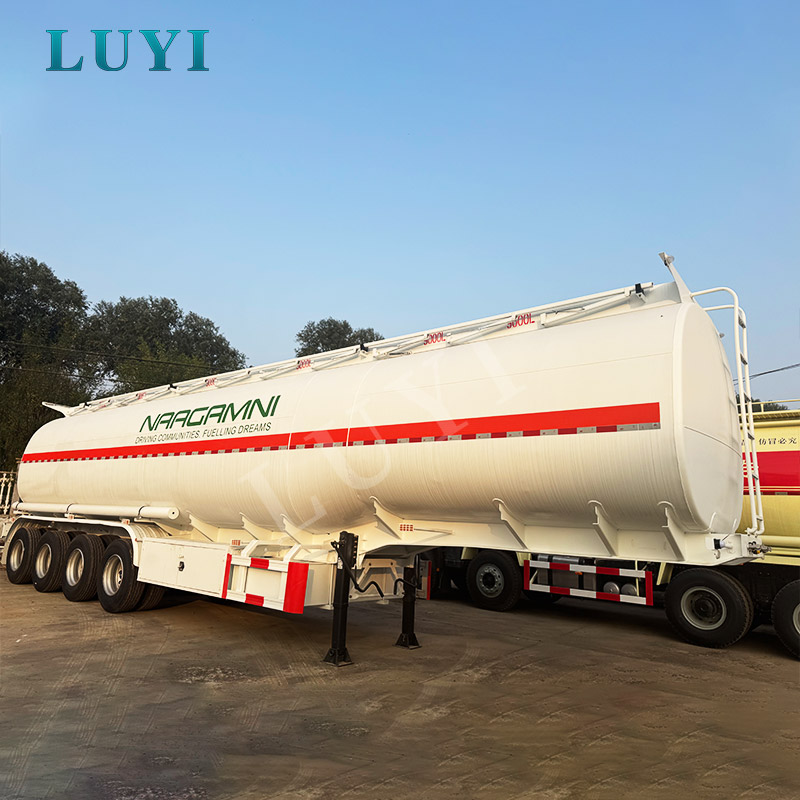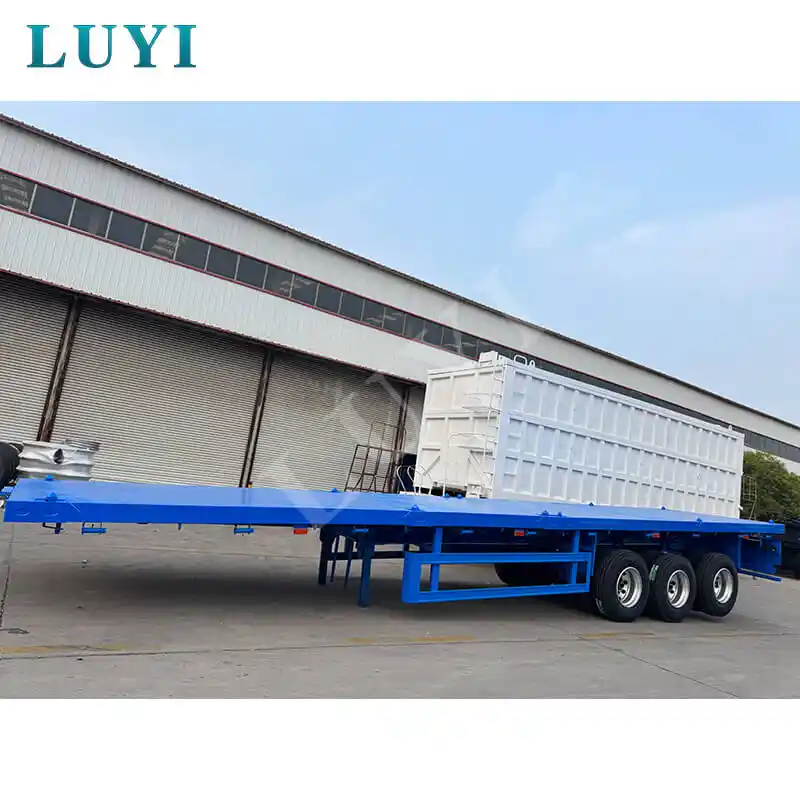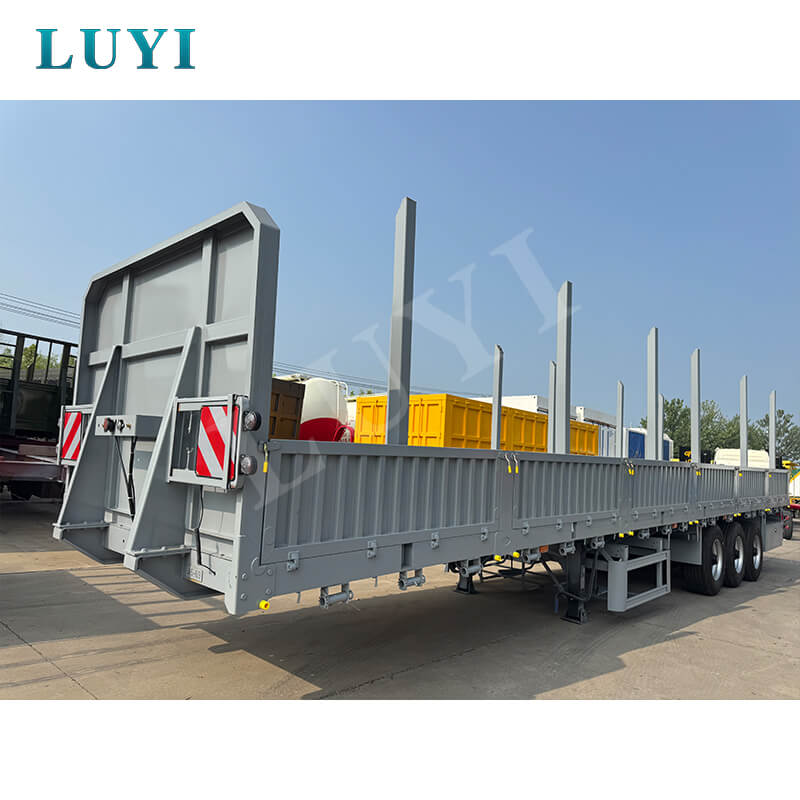
In March 2026, a construction client from Mozambique visited LUYI Auto’s manufacturing base in Shandong to inspect our production capability, review our quality control process, and discuss a practical bulk cement transport solution for local operations. After a full factory tour, technical meetings, and configuration confirmation, the customer placed an on-site order for two custom cement tankers.
This project was not just about supplying equipment. It was about matching tanker structure, unloading efficiency, and road adaptability to a real operating environment. For overseas B2B buyers, that is often the key difference between a trailer that looks acceptable on paper and one that performs reliably in daily work.
The customer’s company is involved in road and housing construction in Mozambique, where cement delivery efficiency directly affects project scheduling. Before placing the order, the buyer wanted to verify whether LUYI could provide a tanker solution suited to hot weather, uneven road conditions, and local fuel quality.
Instead of relying only on online communication, the client chose to inspect our manufacturing process in person. During the visit, they reviewed our workshop workflow, checked finished and in-production units, and spoke directly with our engineering team about unloading speed, tank durability, suspension stability, and service support.
This order involved several practical requirements that are common in African infrastructure projects but are often overlooked in generic product descriptions.
After discussing the customer’s route conditions, material type, unloading expectations, and maintenance concerns, our team recommended a custom powder tank semi-trailer solution designed for cement and other dry bulk powders.
For reference, the configuration logic was aligned with LUYI’s proven cement tanker trailer platform, then adjusted based on the customer’s actual usage scenario rather than a one-size-fits-all standard build.
For cement tanker procurement, the right solution is rarely defined by tank volume alone. The customer was focused on how the tanker would behave in real operating conditions: whether unloading would stay efficient after repeated use, whether the suspension could tolerate rough roads, whether maintenance would stay manageable, and whether the unit could be shipped and put into service without unnecessary modification.
That is why LUYI’s team approached the project from an application perspective first. The configuration was selected to reduce operational risk, improve unloading rhythm, and support longer service life under demanding field conditions. Buyers comparing options across the semi-trailer range often find that this kind of engineering logic is more valuable than simply chasing the lowest initial purchase price.
During the visit, the customer did more than look at finished trailers. They reviewed how the tank body was fabricated, how structural parts were welded, and how each stage of production was checked before moving forward. They also discussed practical maintenance points with our engineers, including daily inspection routines, unloading system operation, and precautions for long-term cement tanker use.
This face-to-face review helped the buyer confirm that LUYI was not only able to manufacture the equipment, but also able to explain why each structural and component choice was made. For many overseas buyers, that level of technical clarity is what turns a supplier into a reliable project partner.
One reason the cooperation moved forward quickly was that the client could directly inspect our production and inspection workflow at the factory. At LUYI’s manufacturing facility, we use equipment such as CNC cutting machines and automatic welding systems to improve fabrication accuracy and consistency.
For this project, the customer paid close attention to how we control quality across multiple stages. Our process includes self-checking by production staff, cross-checking within the workshop, and final inspection by the quality team before the next stage proceeds. Before delivery, the tanker also undergoes pressure-related checks, metal-related inspection, and dynamic performance verification.
For buyers who want to understand the company behind the trailer, they can also review our company background and see how LUYI positions its manufacturing and export capabilities for global trailer projects.
The customer also wanted confidence beyond production. Delivery timing, operator familiarity, and access to support after shipment all influenced the purchase decision.
To support project implementation, LUYI coordinated production scheduling around the agreed delivery timeline and prepared pre-shipment operating guidance for the client’s team. This included basic operation, daily inspection points, and handling recommendations for common field issues. For future service needs, LUYI also discussed remote technical support, spare parts coordination, and on-site assistance where required.
By the end of the visit, the customer had enough confidence in the solution, the factory, and the support process to confirm the order for two customized cement tankers on site.
For the buyer, the outcome was a tanker solution better matched to local construction transport conditions. For LUYI, the project strengthened our presence in the African market and added another practical case to our case study portfolio of export-oriented trailer solutions.
“We were impressed by LUYI’s production capability, technical communication, and professional service. The custom tankers match our operating needs very well, and the overall solution was even better than we expected.”
This project reflects a common purchasing reality in cement and dry bulk transport. Buyers are not just choosing a trailer body. They are choosing unloading logic, structural durability, configuration suitability, production control, and supplier responsiveness.
If your business handles cement, fly ash, lime powder, or similar dry bulk materials, a good starting point is to compare available options in LUYI’s product catalog and then discuss your route conditions, material characteristics, payload target, and destination market with our team.
With proper operation and regular maintenance, the service life can typically reach 8 to 10 years. Periodic inspection of internal components and unloading-related parts is recommended to maintain efficiency and avoid preventable wear.
Yes. The heavy-duty three-axle suspension, matched tyres, and reinforced running gear were selected specifically to improve stability and durability on uneven roads.
In this project, the selected air compressor system supported an unloading rate of about 1.6 tons per minute, helping reduce waiting time and improve site efficiency.
LUYI provides remote technical assistance, spare parts coordination, and follow-up service support based on the project situation and destination market.
The most important step is preventive cleaning immediately after use. If hardening occurs, avoid using corrosive materials that may damage the tank. Contact the manufacturer for the correct maintenance procedure.
If you are sourcing a cement tanker for African roads, construction supply routes, or other demanding dry bulk applications, send your material type, required capacity, road conditions, destination country, and quantity through our inquiry page. Our team can recommend a configuration based on your actual transport task, not just a generic catalog model.