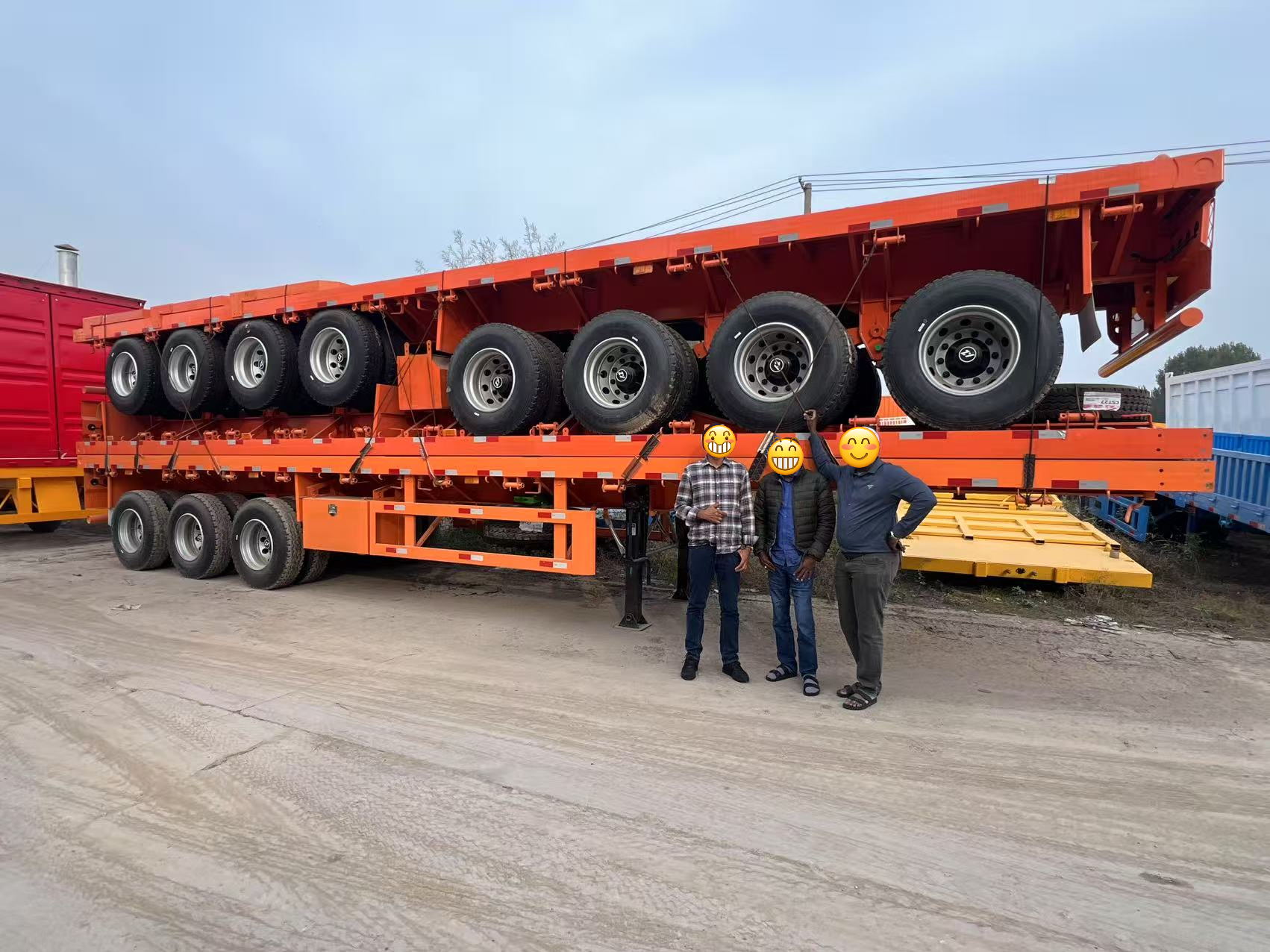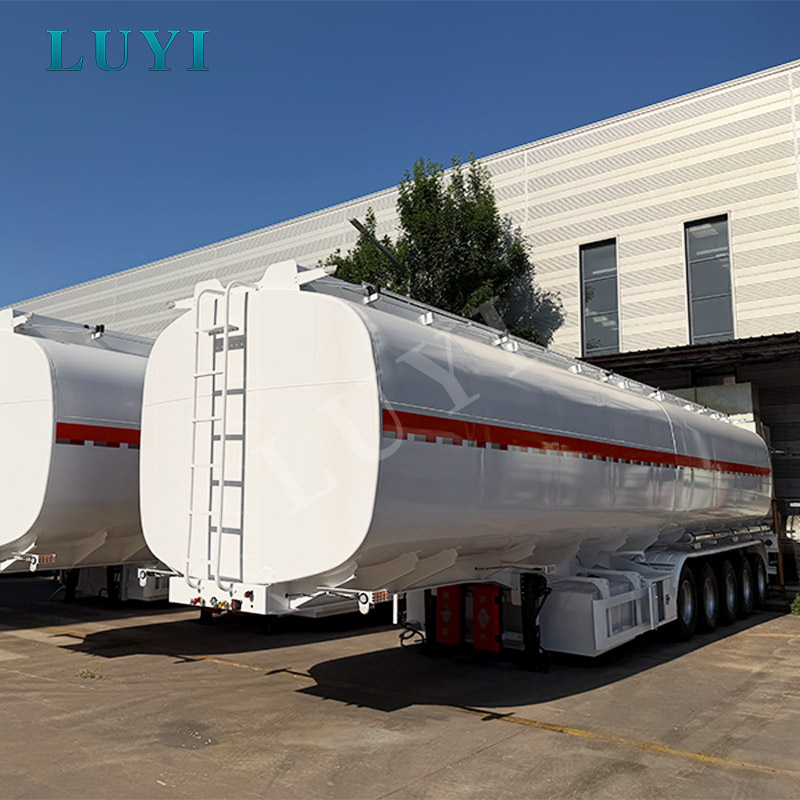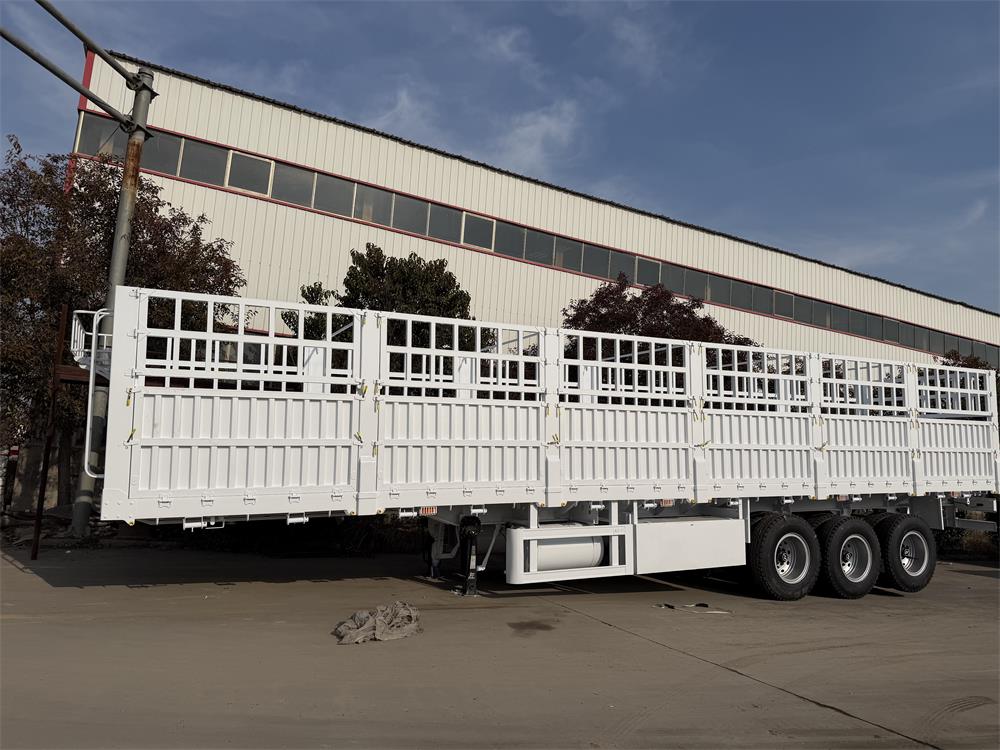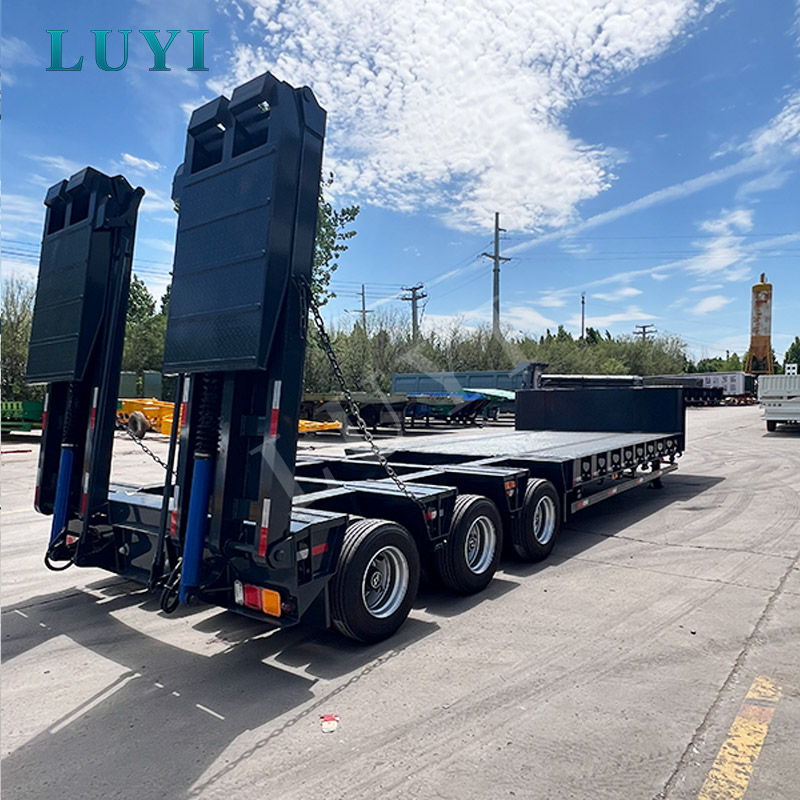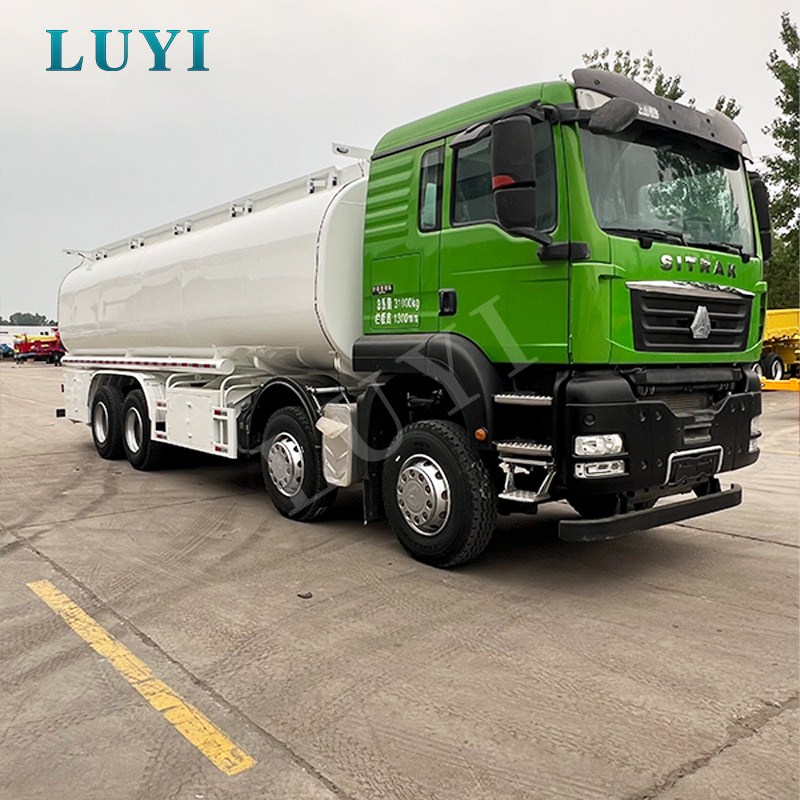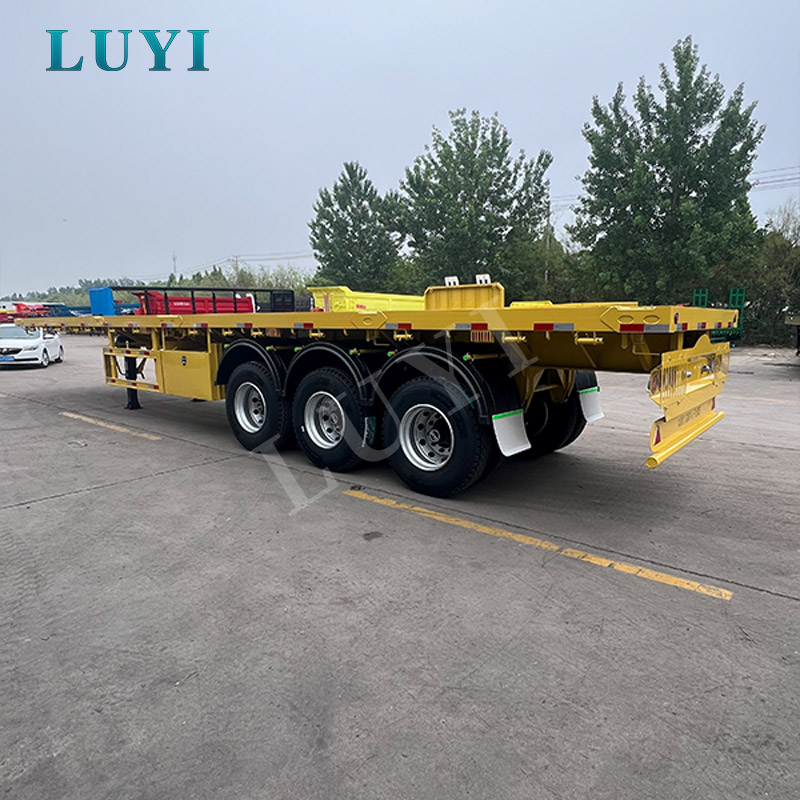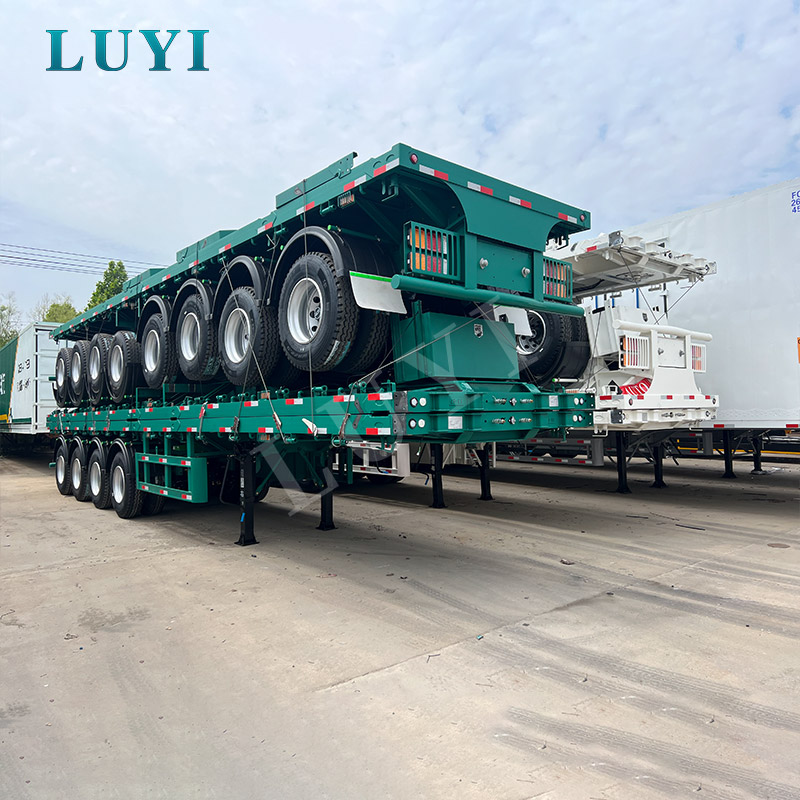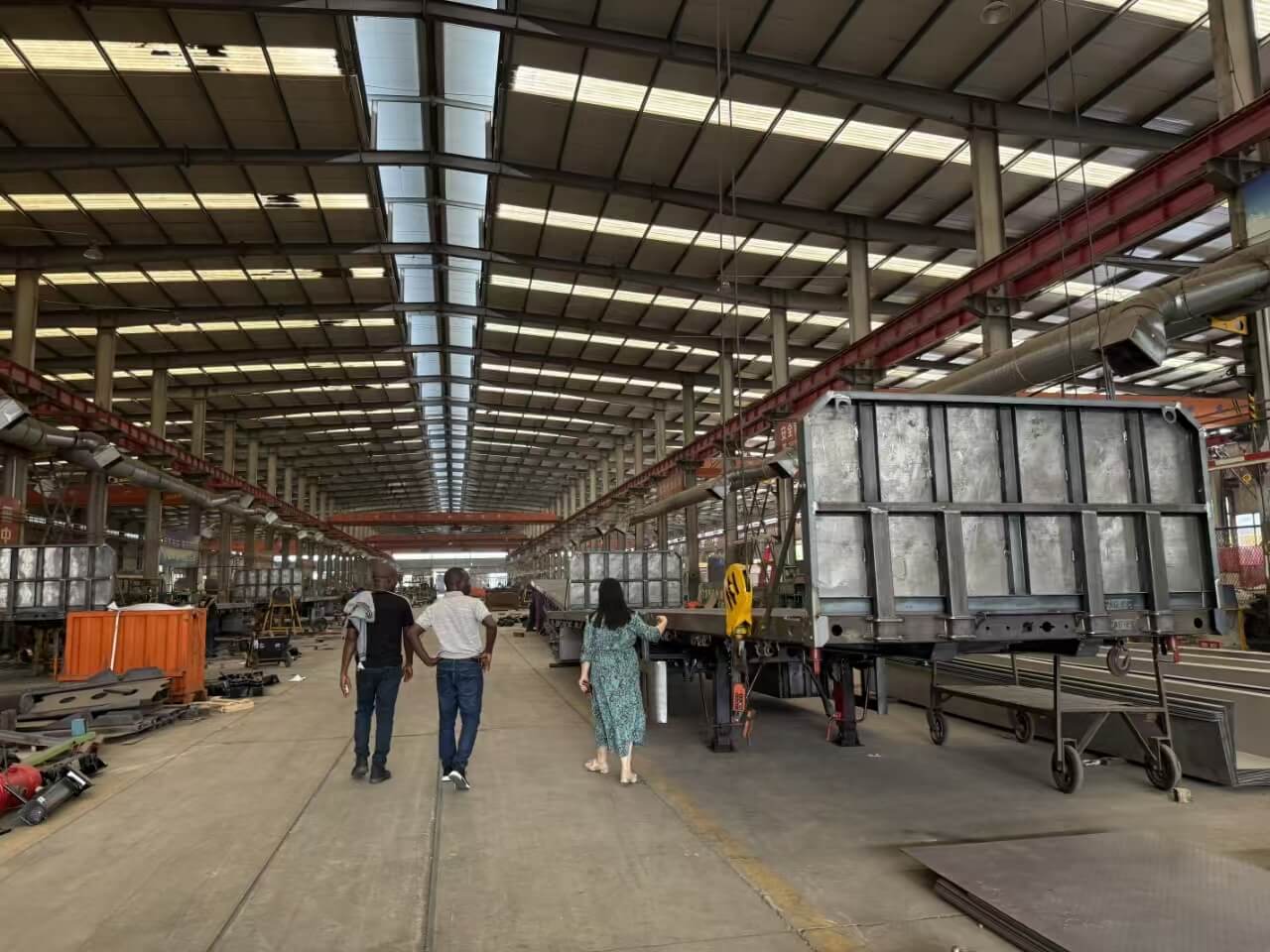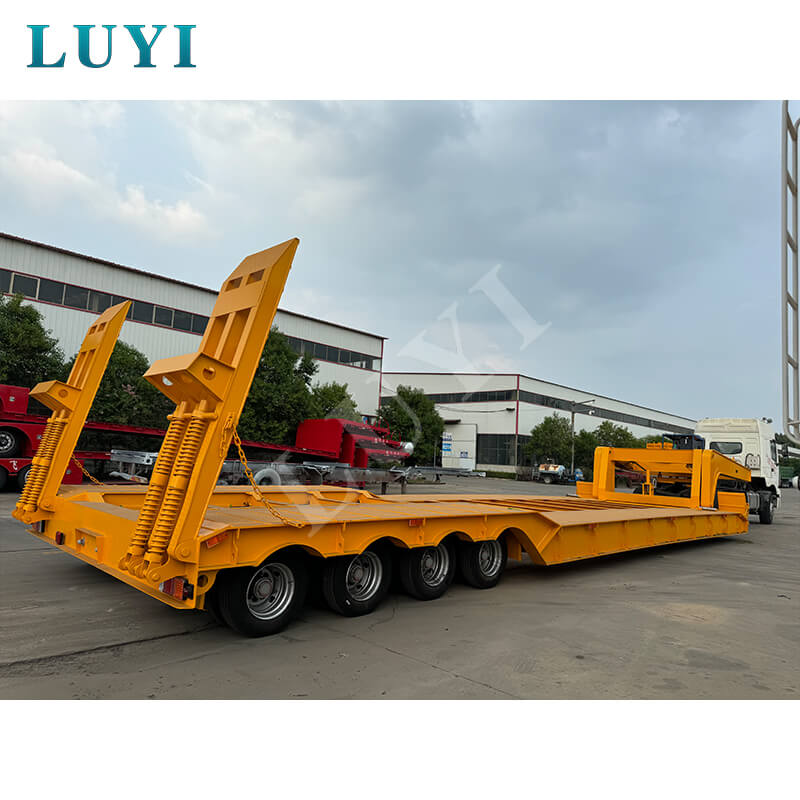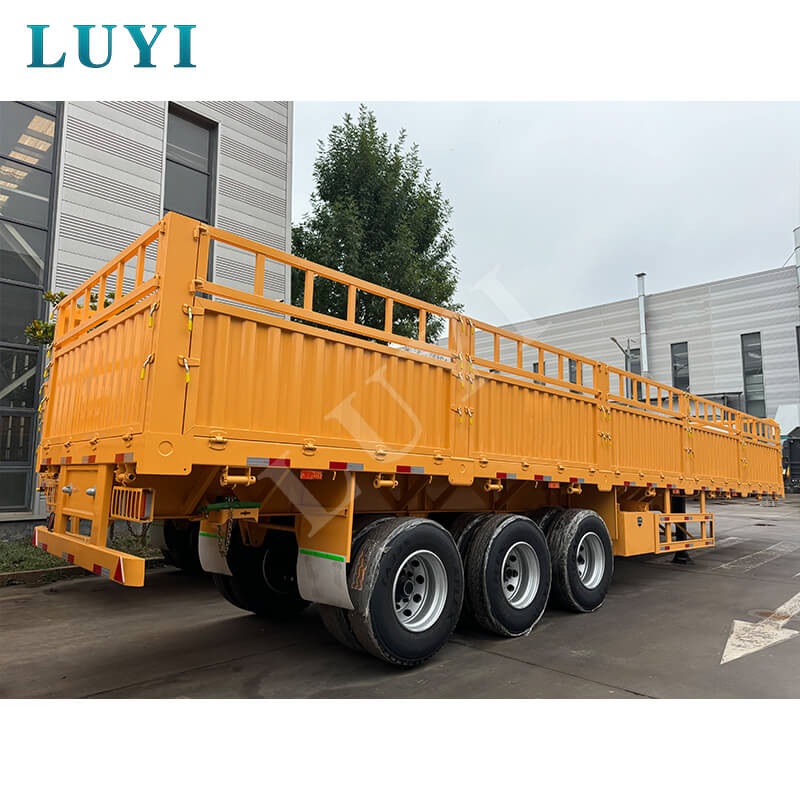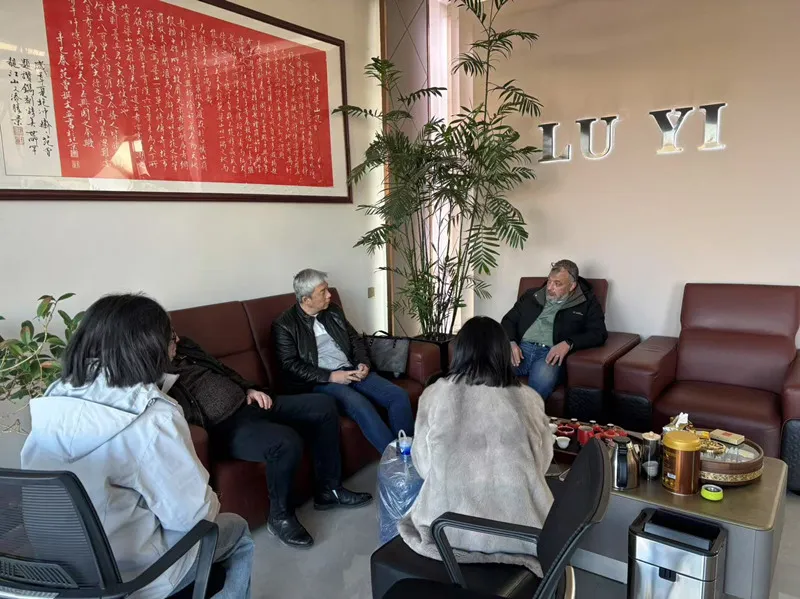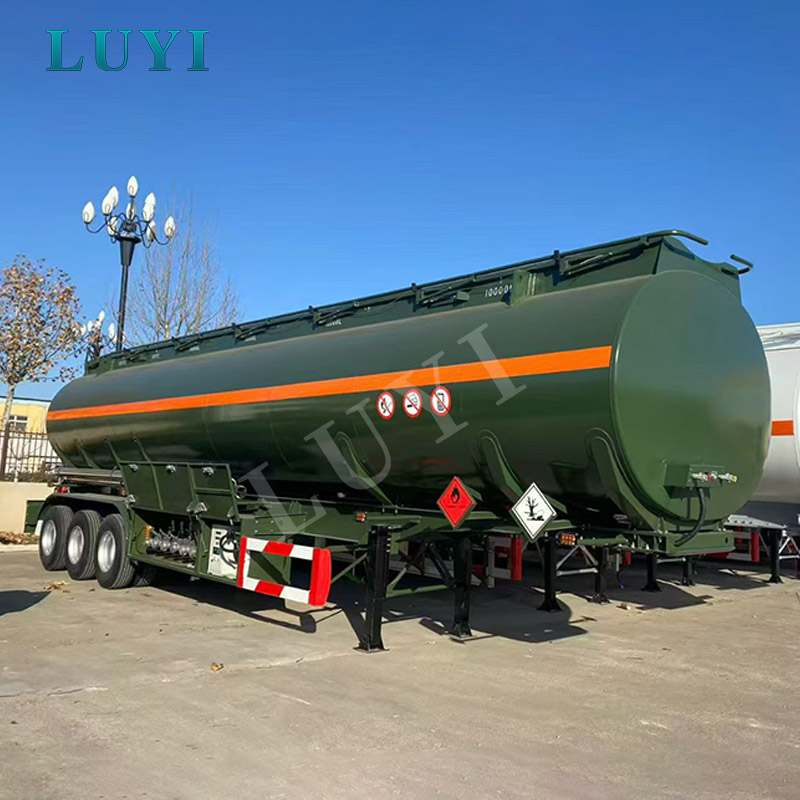
In March 2026, a logistics client from Tanzania visited LUYI Auto to inspect the factory, review production capability, and discuss trailer requirements for regional freight transport. The customer was looking for a practical trailer solution that could handle construction materials, agricultural cargo, and occasional oversized loads across demanding transport routes. After detailed technical discussions and a full factory tour, the client confirmed an order for three customized flatbed trailers.
For logistics operators in East Africa, trailer selection is not simply a matter of payload. It is closely tied to route durability, cargo adaptability, delivery reliability, and how quickly support can be provided when equipment is operating far from major service centers. This project demonstrates how LUYI matches trailer configuration to real working conditions rather than relying on a one-size-fits-all export model.
Author: LUYI Auto Editorial Team
Source: Customer visit record and project delivery case from LUYI Auto
The Tanzanian client operates in a transport environment where route complexity directly affects fleet performance. Cargo may include farm produce, construction materials, packaged goods, and occasional heavy equipment, all of which place different demands on trailer structure, loading efficiency, and load security. To support these mixed transport tasks, the customer needed a durable and flexible flatbed semi-trailer solution that could adapt to daily logistics realities while keeping operating costs under control.
Because the client wanted long-term fleet value rather than a short-term purchase, the evaluation focused on structural reliability, loading practicality, after-sales responsiveness, and whether the trailer could perform consistently on both busy trunk routes and rougher inland roads.
The customer outlined four major concerns before placing the order. First, the trailer had to remain stable and structurally sound on rough and uneven roads used for regional cargo distribution. Second, it had to support different cargo categories, including construction materials and agricultural products, without slowing down loading and unloading operations. Third, because some operating areas were relatively remote, the client needed reliable spare parts access and fast technical support. Finally, delivery timing was critical, since any delays in trailer commissioning could affect business expansion plans and customer commitments.
These challenges are common in developing logistics markets, but they often expose the difference between a standard trailer and a route-matched trailer. A unit that is too generic may still carry the rated load, yet fall short in cargo security, durability, maintenance convenience, or lifecycle efficiency.
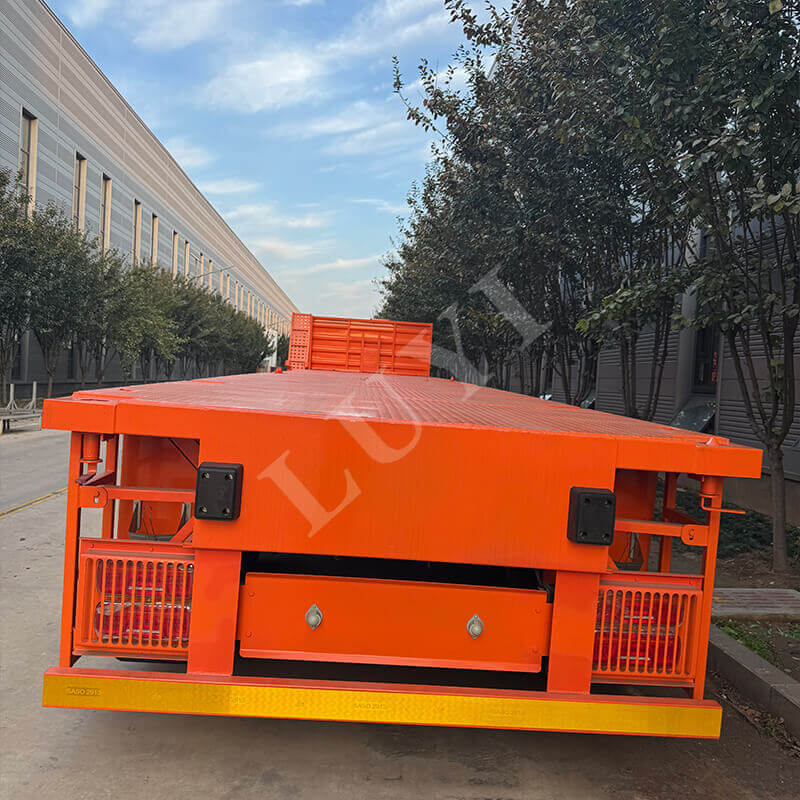
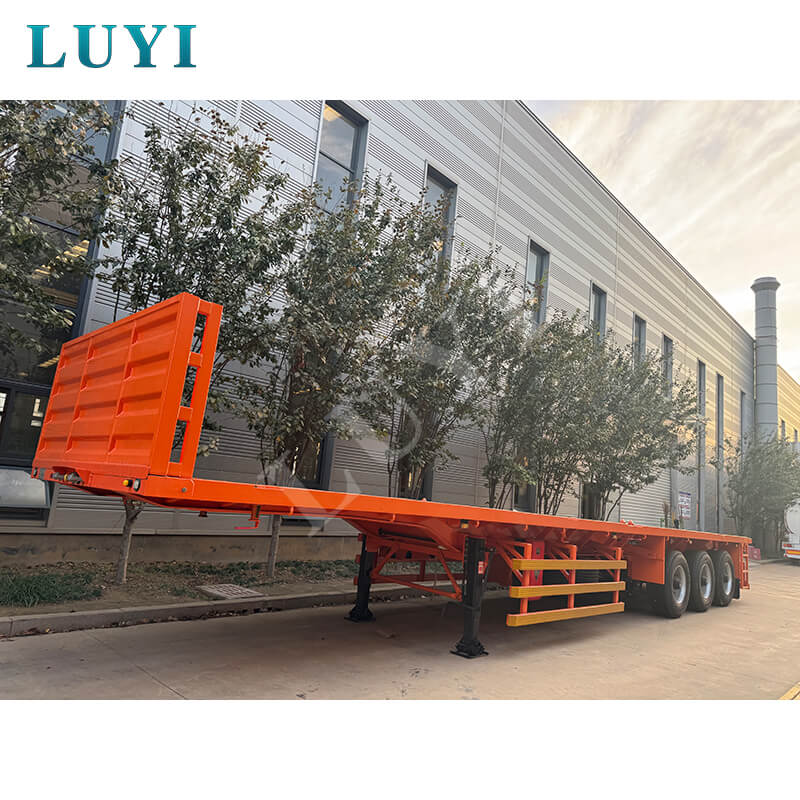
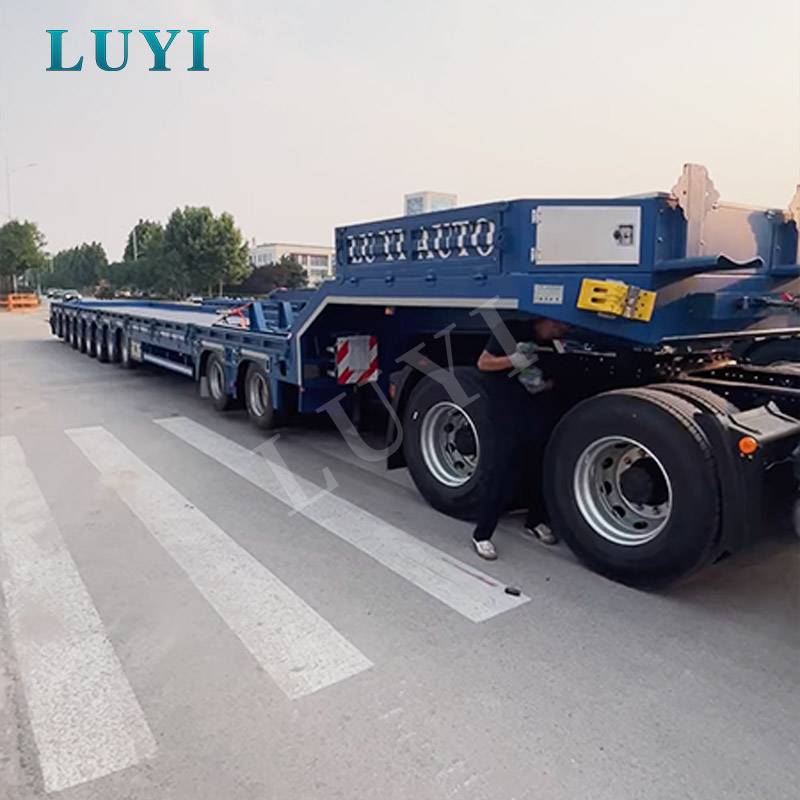
LUYI responded with a customized three-unit flatbed trailer solution engineered for the client’s actual routes and load mix. The trailers were designed with a high-strength steel chassis, reinforced axle structure, and anti-skid loading surface to improve durability and cargo handling under daily freight use. The goal was not only to increase carrying capability, but to make each trailer easier to use across multiple transport scenarios.
To improve versatility, the design also included adjustable cargo securing points and detachable guardrail features, allowing the trailers to move between general freight, bagged cargo, and larger project loads more efficiently. Buyers evaluating similar models can also compare LUYI’s 3-axle flatbed semi-trailer and 40ft container chassis flatbed trailer solutions for containerized transport, general cargo, and regional fleet operations.
This configuration made the trailers more practical for route diversity and mixed freight handling, which is especially important for logistics companies trying to grow without splitting their fleet into too many highly specialized units.
The client’s factory visit played an important role in confirming the order. During the visit, LUYI demonstrated its raw material inspection process, welding standards, coating process, and final testing procedures. Each trailer was produced with close attention to structural durability, corrosion resistance, and long-term transport reliability.
According to LUYI’s public company and service information, the business emphasizes strict production inspection and after-sales support as part of its export positioning. Buyers who want to understand this background can review LUYI’s company profile and service support system before sending an inquiry.
Before shipment, the trailers went through full load, braking, and stability testing so the customer could receive equipment ready for real operating conditions rather than basic ex-factory delivery only.
LUYI coordinated production and export logistics to ensure the order was completed on time. Shipment planning and delivery tracking were arranged in line with the customer’s business schedule, helping reduce uncertainty during cross-border transport. After arrival, the support plan included installation assistance, operator guidance, and maintenance training so the client’s team could put the trailers into service quickly and safely.
For many overseas B2B buyers, this phase is where supplier reliability becomes most visible. Equipment quality matters, but so do shipping coordination, startup support, and the ability to respond quickly when the fleet enters service. That is why LUYI also directs customers to its inquiry page and contact page for configuration-based support before and after purchase.
After deployment, the client reported measurable improvements in daily transport performance. According to the project information, transport efficiency increased by 30%, while cargo damage was reduced by 25%. These gains matter because they directly affect profitability, customer satisfaction, and the operator’s ability to scale routes with confidence.
For LUYI, the case also strengthened its project experience in Tanzania and the wider East African market. More importantly, it created the basis for repeat cooperation, which is often the strongest commercial signal in B2B trailer exports.
“Luyi’s trailers are a great fit for Tanzania. They handle rough regional roads well, loading is faster, and they solved our previous issues with slow transport and cargo damage. Their team listened carefully, delivered on time, and supported our operators after arrival. We expect to continue working together.”
— Tanzanian Client Representative
This project is highly relevant for logistics companies serving agricultural corridors, construction supply chains, and regional freight networks across Africa. It shows that the most valuable trailer purchase is not necessarily the cheapest or the most heavily marketed, but the one configured around real route conditions, cargo behavior, maintenance access, and business growth objectives.
Companies exploring similar projects can also review other export cooperation examples in LUYI’s flatbed trailer case study section. These cases help buyers compare how trailer specification, factory capability, and support structure come together in real delivery scenarios.
The Tanzanian client’s order for three flatbed trailers highlights the value of practical engineering, route-based customization, and dependable supplier support in modern freight operations. By aligning trailer design with cargo requirements, road conditions, and service expectations, LUYI helped the client build a more efficient and resilient transport solution for regional logistics growth.
If your company is looking for a semi-trailer solution for agricultural cargo, construction materials, containers, or mixed regional freight, LUYI can recommend a suitable configuration based on your route conditions, load type, and destination market. You can contact the team directly through the contact page or submit your requirements through the online inquiry form.